
Scientists from NNSU are developing solutions for a clear mind up to 100 years.
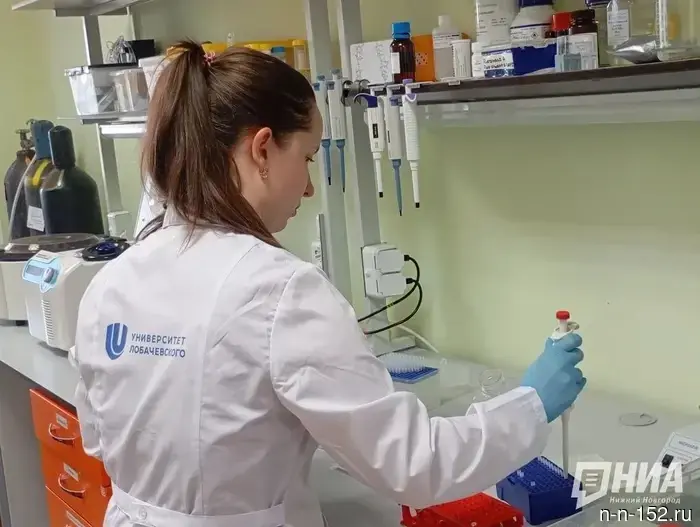
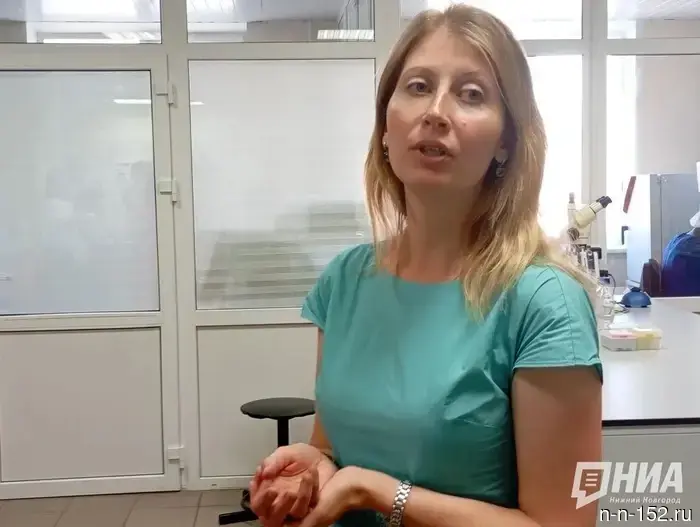
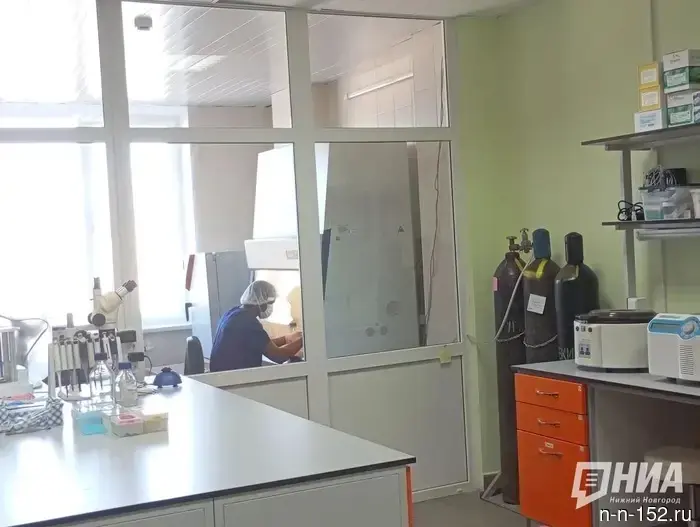
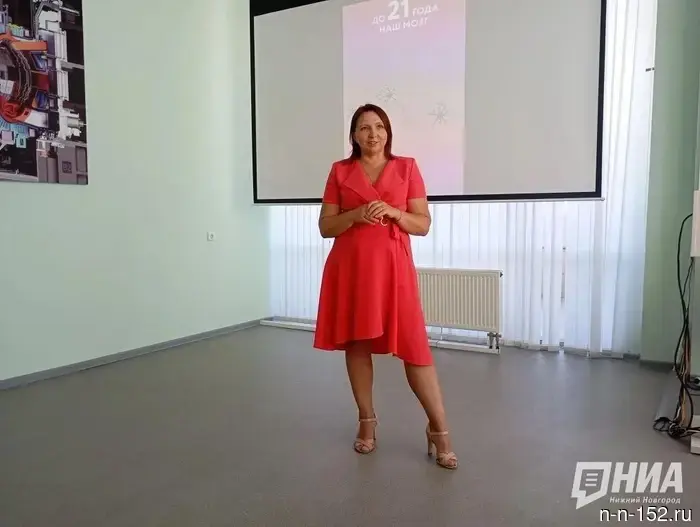
NIА "Nizhny Novgorod" - Maria Orlova How to maintain mental clarity as life expectancy increases, while cognitive functions begin to decline after the age of 35? At Lobachevsky NNSU, journalists were shown what the fight for cognitive longevity looks like in practice. The event was attended by a correspondent from NIA "Nizhny Novgorod." The director of the Institute of Biology and Biomedicine at NNSU, Doctor of Biological Sciences Maria Vedunova, reminded that the brain fully develops by the age of 21. By 35, the first age-related changes appear, and after 40, they become noticeable.
"We may not admit it, but reaction speed decreases, it becomes harder to switch tasks, and memory changes. These are patterns that need to be addressed," she noted.
At the same time, there are so-called "superstars" in society - people over 80 who demonstrate cognitive performance levels of 50-year-olds. Currently, their numbers are estimated to be between 2% and 6%.
"Our goal is to increase this to 20%. This is about quality of life, the country's workforce potential, and the ability to remain active for at least up to 100 years," emphasizes Vedunova.
The fundamental aspect of the work was discussed by Elena Miroshina, head of the Department of Molecular Biology at the Institute of Biology and Biomedicine at NNSU. Her team is implementing a project funded by the Russian Science Foundation, dedicated to the molecular mechanisms linking happiness hormones and human cognitive potential.
"Our emotional state is directly related to cognitive health. Depressive symptoms often accompany dementia - Alzheimer's disease, Parkinson's disease. But prolonged depressed states can also provoke cognitive impairments," explains the department head.
The focus is on the serotonin system, often referred to as the "happiness hormone" system.
"But it's much more complicated. Serotonin has at least 15 types of receptors, and it's important for us to understand which one we need to influence to achieve a protective effect," noted Elena Miroshina.
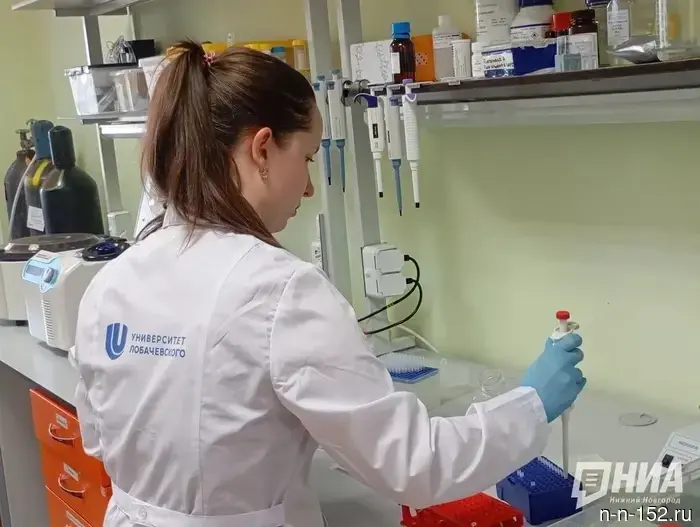
Scientists are using a model that, according to Maria Vedunova, "is practically not used in Russia." Neural networks are created from mouse embryonic cells in vitro (outside the body) - with neurons, astrocytes, and connections forming according to the same patterns as in the brain.
In this system, Alzheimer's disease is modeled, and researchers observe how cells react to stimuli.
"We found one of the types of serotonin receptors - the seventh. When we activate it, neurons die significantly less under stress and when modeling Alzheimer's disease. The networks are preserved and continue to function almost like healthy ones," says Miroshina.
This is a fundamental result that could potentially serve as a basis for new therapeutic approaches. However, the path from molecule to medicine is long.
"We can find a promising molecule in a couple of years. After that, expensive and lengthy studies begin, including safety and clinical trials. Only one or two percent of developments reach the market," notes Vedunova.
That is why the university is also focusing on methods that can be applied right now.
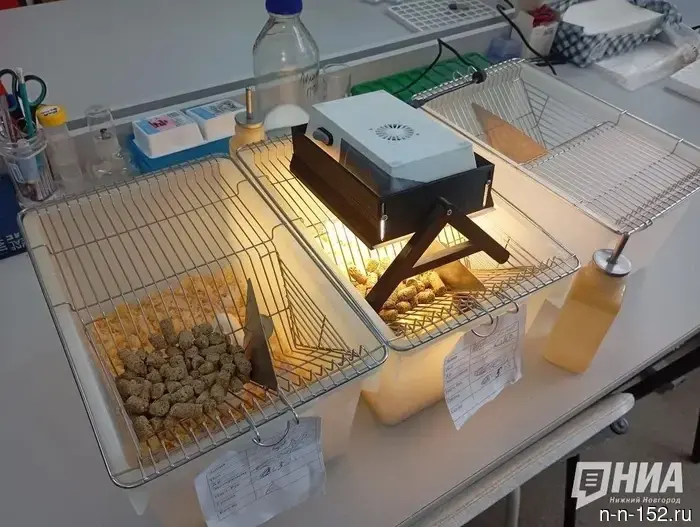
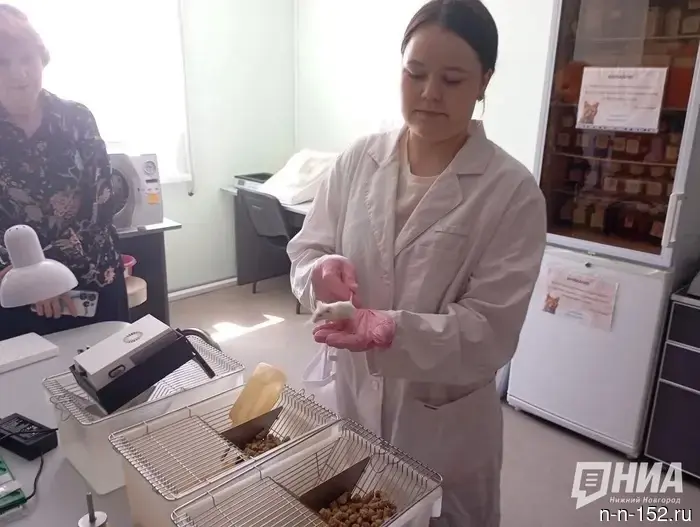
One of the approaches is physical brain stimulation. In animal experiments, light gamma stimulation is used - flashing at a certain frequency.
"Gamma rhythms are important for synchronizing neuron activity. It's like a roll call: I'm here, I'm here. If the rhythm is disrupted, the function is impaired. By influencing the gamma frequency, we normalize processes of nutrition, activity, and toxin elimination," explains Vedunova.
Experiments also model insomnia, one of the key stress factors.
"Without sleep, the brain literally becomes cluttered. We see that with stimulation, functionality is better preserved even under conditions of forced insomnia," she says.
Electrical stimulation is also being tested. In animal experiments, stimulation at a frequency of 100 Hz showed better results in memory and learning tests compared to other modes.
Scientists emphasize that age-related neurodegeneration is inevitable - even with an ideal lifestyle, thousands of neurons die daily. The task is to reduce the load on the brain and increase its functional reserve.
"We have been working for decades on the 'pill of the future.' And we continue this work. But today it's important to provide people with tools that are available right now - on their phones, at home, without complex procedures," says Maria Vedunova.
The university is engaged in the development and implementation of practical solutions within the framework of the state program for the decade of science and technology. In particular, they have developed a mobile application with a battery of tests. It determines cognitive age based on the assessment of reaction speed, cognitive conflict resolution, verbal functions, memory, and spatial orientation.
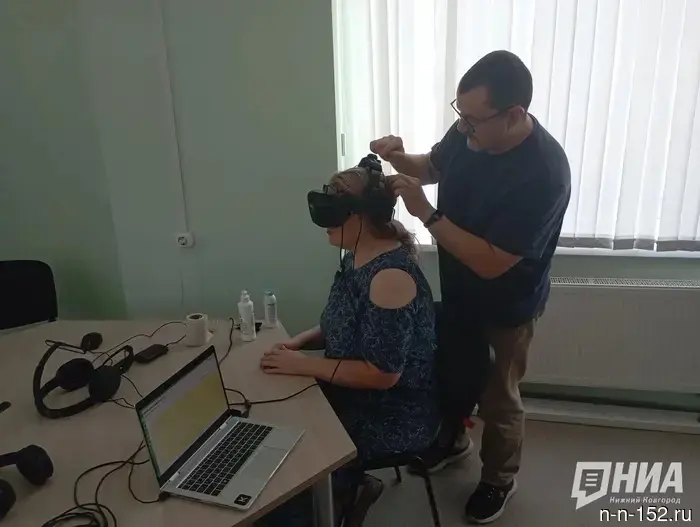
According to her, just two to three weeks of regular 10-12 minute training sessions yield statistically significant improvements in indicators. The app also includes a section with recommendations: brain nutrition, exercises for the neck and collar zone, digital hygiene, and sleep regimen. A separate direction is a device for stimulating alpha rhythms, which are responsible for relaxation and reducing anxiety. Externally, it resembles VR glasses: the device records an electroencephalogram and uses light and sound impulses to enhance alpha activity. In the future, developers plan to create a version for home use. The glasses flash at a specified frequency, helping to "switch" the brain to the desired mode.
"Alpha waves represent relaxed wakefulness," noted Konstantin Lushnikov, a senior researcher at the Institute of Biology and Biomedicine at NNSU.
According to him, the system using AI tracks changes in indicators - from heart rate to neuroplasticity. According to the developers, after stimulation, the expression of one's own alpha rhythms increases, and blood supply to the brain improves.
Journalists were also presented with a helmet for gamma stimulation for home use. It can be worn during everyday activities, combining them with brain training. Earlier, Maria Vedunova explained why teenagers and older adults are more often victims of fraud. NIA "Nizhny Novgorod" has channels on Telegram and MAX. Subscribe to stay updated on major events, exclusive materials, and timely information. Copyright © 1999—2025 NIA "Nizhny Novgorod". When republishing, a hyperlink to NIA "Nizhny Novgorod" is mandatory. This resource may contain materials 18+.
Другие Новости Нижнего (Н-Н-152)
 Scientists from NNSU are developing solutions for a clear mind up to 100 years.
News of Nizhny Novgorod
Scientists from NNSU are developing solutions for a clear mind up to 100 years.
News of Nizhny Novgorod
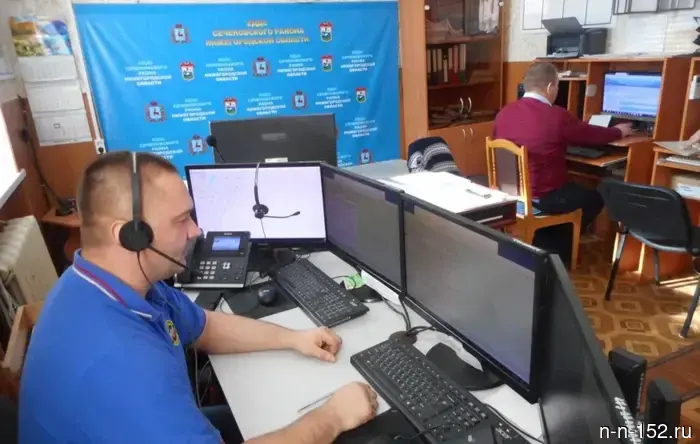 Emergency warning
According to the Federal State Budgetary Institution "Upper Volga Hydrometeorological Center", from June 10 to June 16, 2026, high (class 4) fire danger for forests and peat bogs is expected in some areas of the Nizhny Novgorod region and the city of Nizhny Novgorod. June 11, 2026. Sechenovsky Municipal District. Nizhny Novgorod Region. Sechenovo.
Emergency warning
According to the Federal State Budgetary Institution "Upper Volga Hydrometeorological Center", from June 10 to June 16, 2026, high (class 4) fire danger for forests and peat bogs is expected in some areas of the Nizhny Novgorod region and the city of Nizhny Novgorod. June 11, 2026. Sechenovsky Municipal District. Nizhny Novgorod Region. Sechenovo.
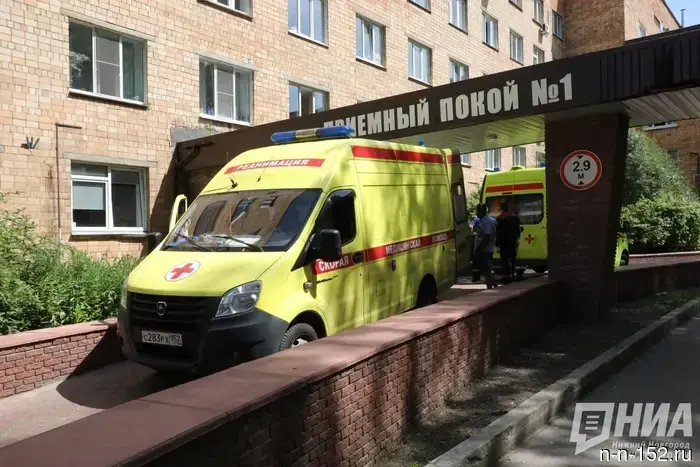 The acting head of the State Assembly of Bashkortostan underwent surgery in Nizhny Novgorod.
News of Nizhny Novgorod
The acting head of the State Assembly of Bashkortostan underwent surgery in Nizhny Novgorod.
News of Nizhny Novgorod
 Nizhny Novgorod residents were presented with routes for traveling around the region by car.
News of Nizhny Novgorod
Nizhny Novgorod residents were presented with routes for traveling around the region by car.
News of Nizhny Novgorod
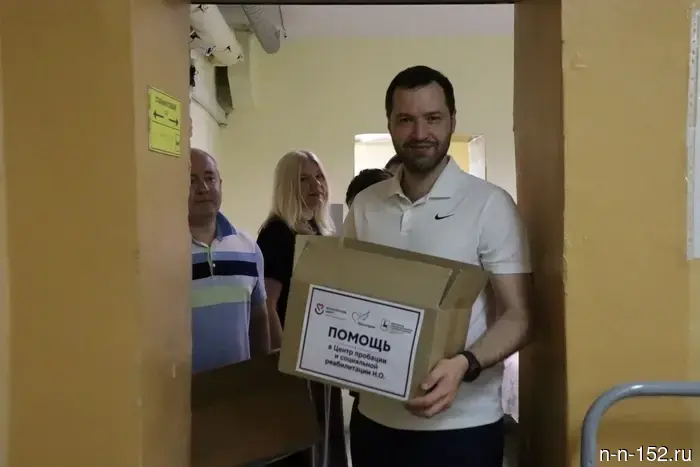 More than 160 food packages were delivered to the beneficiaries of the Nizhny Novgorod Center for Probation and Social Rehabilitation.
Photo: Ministry of Social Development and Family Policy of the Nizhny Novgorod Region
On June 10, a charity event to support citizens took place at the Nizhny Novgorod Center for Probation and Social Rehabilitation, 11.06.2026. Government of the Nizhny Novgorod Region. Nizhny Novgorod Region. Nizhny Novgorod.
More than 160 food packages were delivered to the beneficiaries of the Nizhny Novgorod Center for Probation and Social Rehabilitation.
Photo: Ministry of Social Development and Family Policy of the Nizhny Novgorod Region
On June 10, a charity event to support citizens took place at the Nizhny Novgorod Center for Probation and Social Rehabilitation, 11.06.2026. Government of the Nizhny Novgorod Region. Nizhny Novgorod Region. Nizhny Novgorod.
 How will Nizhny Novgorod transport operate on Russia Day?
News of Nizhny Novgorod
How will Nizhny Novgorod transport operate on Russia Day?
News of Nizhny Novgorod
Scientists from NNSU are developing solutions for a clear mind up to 100 years.
News of Nizhny Novgorod