
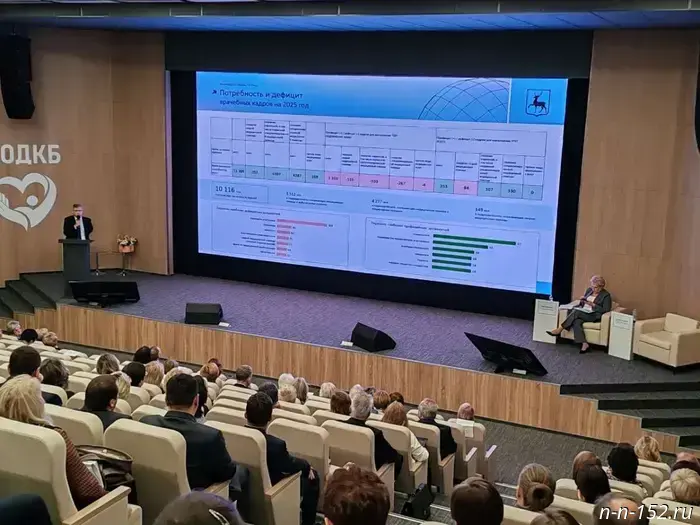
Staffing issues of medical organizations were discussed at a meeting of the board of the Ministry of Health of the Nizhny Novgorod Region.
28 November 2025 15:40 Economy
On 27 November, an expanded meeting of the collegium of the Ministry of Health of the Nizhny Novgorod Region was held at the Nizhny Novgorod Regional Children’s Clinical Hospital, dedicated to staffing issues in the healthcare sector. The event was attended by the region’s Minister of Health Galina Mikhaylova, ministry staff, heads of state medical organizations in the region, as well as representatives of medical education institutions, the regional healthcare workers’ union and the NROO “Medical Chamber.”
Galina Mikhaylova emphasized to her colleagues that ensuring the healthcare system is staffed with qualified medical personnel is one of the key tasks under constant supervision by leaders at all levels.
“We face a strategic task — creating a sustainable system for training and retaining medical personnel. To date, medical institutions in the region are staffed with doctors at a rate of 81.7% and with mid-level medical personnel at 86.7%, and we are purposefully working to improve these figures. The new law will help us in this: according to it, graduates of medical educational institutions who have received primary accreditation as specialists must work under the supervision of a mentor in medical organizations participating in the implementation of the state guarantees program for providing citizens with free medical care for three years,” she explained.
According to First Deputy Minister of Health of the Nizhny Novgorod Region Sergey Kolesnikov, about 54,000 people currently work in the region’s public healthcare system, including more than 10,000 doctors and almost 22,500 mid-level medical specialists. The real need for medical personnel exceeds 1,100 people. At present, the list of most deficit medical specialties in the region includes district therapists (primary care physicians), psychiatrists, oncologists, anesthesiologists-resuscitators (anesthesiologists-intensivists), ophthalmologists, emergency medical service staff and medical rehabilitation specialists.
“To reduce the staffing shortage, today we pay special attention to targeted training of specialists. At PIMU, more than 1,500 students are studying under targeted contracts, and the number of targeted places increases annually. In 2024, 758 students received an annual payment of 20,000 rubles, and this year 874 students receive this support,” Sergey Kolesnikov reported.
The collegium meeting discussed how a comprehensive support system for healthcare workers is being created and developed in the region to attract new specialists to the sector. For example, medical staff are provided with official housing, including with the support of municipal authorities. Conditions are being created for specialists from federal clinics, the private sector and other regions of Russia to transfer to state healthcare institutions.
To retain medical personnel in rural areas, the “Zemsky Doctor” and “Zemsky Feldsher” programs are being implemented, offering one-time payments of up to 1.5 million rubles for doctors and up to 750,000 rubles for mid-level medical staff. Another effective support measure is compensation for a medic’s housing rental costs when they do not own housing. Significant work is also being carried out to develop nursing.
“The created regional medical education cluster allows us to train specialists who meet modern requirements. Special attention is paid to raising the prestige of the nurse and male nurse professions and spreading best practices,” emphasized Lyudmila Poklad, the Ministry of Health’s chief freelance specialist in the region for nursing management.
Vladimir Grechko, director of the Nizhny Novgorod Medical College, spoke about the successful implementation of the career guidance project “Path to Medicine.” He noted that a “Medic” class has been opened at the Vetluga branch of the college, where school students undergo a vocational training program. Thanks to the project, 16 students received certificates as junior nurses in 2024, and another 22 students did so in 2025. This allowed the college not only to meet but to exceed its enrollment plan for the specialties “Nursing” and “General Medical Practice.”
Olga Doschannikova, head of the Office for Support of Educational Programs at the Privolzhsky Research Medical University, emphasized the practical training of future doctors.
“Together with the regional Ministry of Health, we are implementing the ‘Medical Mentorship’ project, which foresees the formation of mechanisms for pre-professional adaptation of students. Active immersion in the professional environment allows future specialists to increase their adaptability to the conditions of practical work,” she noted.
Following the meeting, chief physicians of medical organizations were instructed to develop a long-term plan for attracting and retaining specialists through 2030, as well as to ensure employment for graduates who have completed targeted training.
Recall that work to eliminate the shortage of medical personnel in the region’s state healthcare institutions is being carried out in accordance with the goals and objectives of the new national project “Long and Active Life.” It was launched in Russia in 2025 by order of the President of Russia Vladimir Putin as a continuation of the national project “Healthcare.” The new national project covers all areas of work in the sector — from the modernization of primary care to rehabilitation.
NIA “Nizhny Novgorod” has a Telegram channel. Subscribe to stay informed of the main events, exclusive materials and timely information.
Copyright © 1999—2025 NIA “Nizhny Novgorod.” When reprinting, a hyperlink to NIA “Nizhny Novgorod” is required. This resource may contain material intended for ages 18+.
Другие Новости Нижнего (Н-Н-152)
 Rain and cloudy weather await Nizhny Novgorod residents on the last weekend of November.
Nizhny Novgorod News
Rain and cloudy weather await Nizhny Novgorod residents on the last weekend of November.
Nizhny Novgorod News
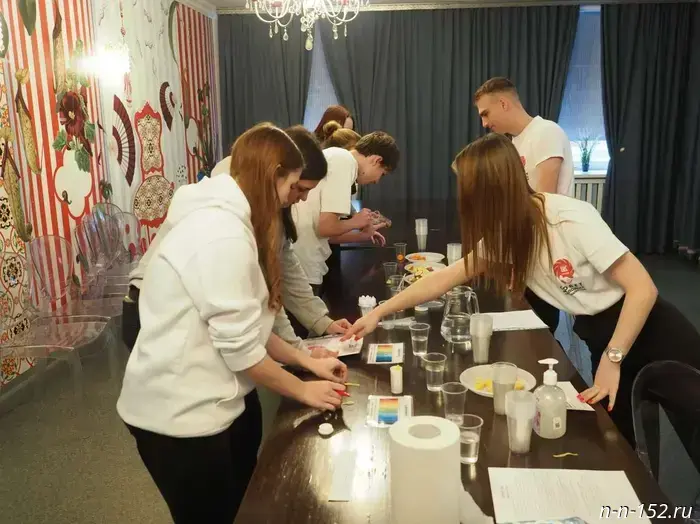 Chemistry quest supported by LUKOIL
Nizhny Novgorod News
Chemistry quest supported by LUKOIL
Nizhny Novgorod News
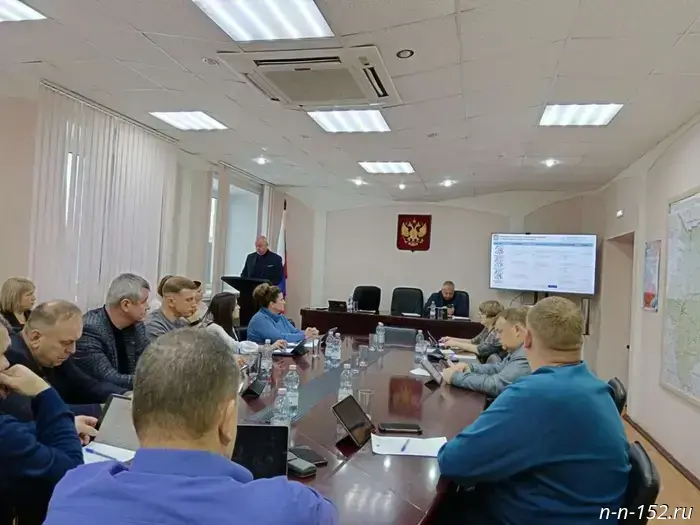 Another five Nizhny Novgorod municipalities received assessments based on the results of national project implementation in 2025.
Nizhny Novgorod News
Another five Nizhny Novgorod municipalities received assessments based on the results of national project implementation in 2025.
Nizhny Novgorod News
 "Pari NN" does not plan a major transfer campaign this winter.
Nizhny Novgorod News
"Pari NN" does not plan a major transfer campaign this winter.
Nizhny Novgorod News
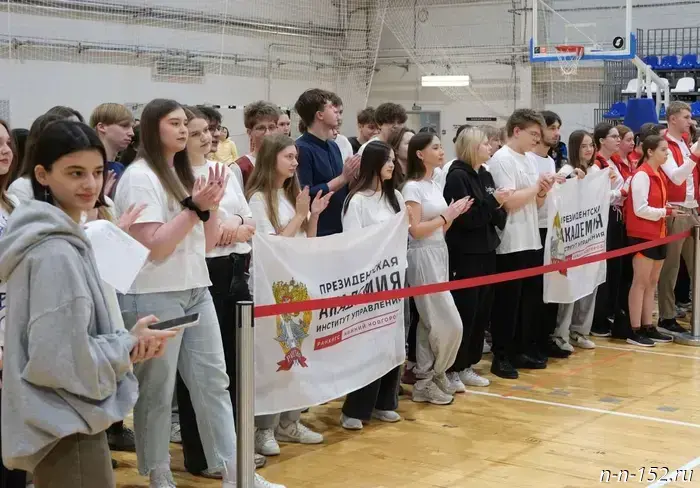 A festival of student adaptive sports was held in Nizhny Novgorod.
Nizhny Novgorod News
A festival of student adaptive sports was held in Nizhny Novgorod.
Nizhny Novgorod News
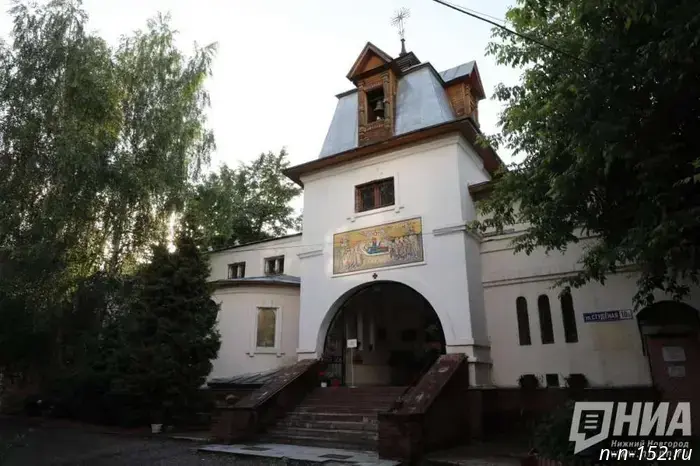 Nizhny Novgorod Catholics have won the return of the church on Studenaya.
Nizhny Novgorod News
Nizhny Novgorod Catholics have won the return of the church on Studenaya.
Nizhny Novgorod News
Staffing issues of medical organizations were discussed at a meeting of the board of the Ministry of Health of the Nizhny Novgorod Region.
Nizhny Novgorod News