
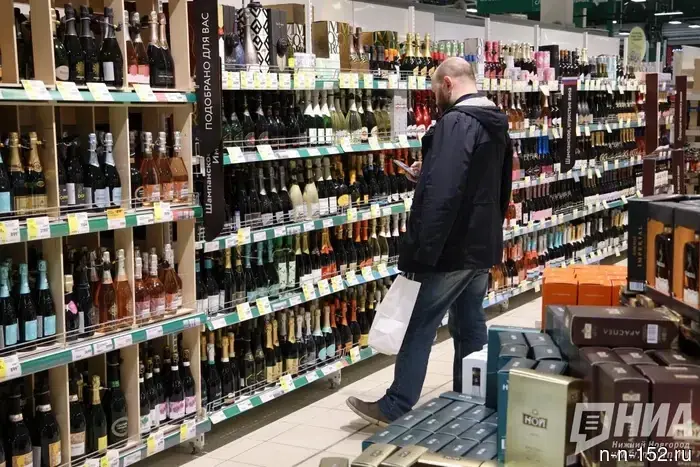
From traffic accidents to drownings: why alcohol remains one of the leading causes of mortality
From June 30 to July 6, Russia is holding a Week aimed at reducing mortality from external causes. This refers to cases that are most often preventable: road traffic accidents, drownings, falls, poisonings, fires, and other tragedies. As noted by the chief physician of the Nizhny Novgorod Regional Center for Public Health and Medical Prevention, Natalia Savitskaya, alcohol continues to play one of the key roles in such incidents.
Millions of deaths annually
According to the World Health Organization data for 2024-2025, the consequences of alcohol consumption annually cause the deaths of 2.6 million people. This is about 4.7% of all deaths worldwide. A significant portion of these deaths is related to diseases whose development is provoked by alcohol abuse. According to Natalia Savitskaya, around 1.6 million people die each year from non-communicable diseases related to alcohol consumption, including liver cirrhosis, cardiovascular diseases, and cancers. Another 474,000 deaths are attributed to heart attacks and strokes that developed against the backdrop of prolonged alcohol use. Approximately 401,000 people die each year from cancers, including esophageal, liver, breast, and colorectal cancers. Additionally, around 400,000 deaths are associated with injuries sustained as a result of road traffic accidents, drownings, falls, and violence.
Why alcohol makes a person vulnerable
Experts emphasize that the danger of alcohol lies not only in the risk of poisoning. Under its influence, a person's behavior changes, significantly increasing the likelihood of accidents. Alcohol reduces the ability to critically assess a situation and make balanced decisions. A person becomes more prone to risky behavior, overestimates their own capabilities, and has poorer control over their actions. At the same time, reaction times slow down, which is especially dangerous when driving, operating machinery, and being near potentially hazardous objects. Another consequence is impaired coordination of movements. As a result, the risk of falls, domestic injuries, burns, and workplace accidents increases. According to Natalia Savitskaya, alcohol consumption can also heighten aggression and conflict, increasing the likelihood of fights, domestic violence, and other criminal actions. In severe cases, intoxication is accompanied by drowsiness or loss of consciousness. In such situations, the risk of choking on vomit, hypothermia, or death due to a fire from an unextinguished cigarette increases.
What tragedies are most often associated with alcohol
According to specialists, the most common scenarios of fatal incidents related to alcohol consumption remain road traffic accidents, falls from heights and on slippery surfaces, burns, and fires. Drownings also pose a serious danger. While intoxicated, a person may misjudge their abilities, lose orientation in the water, or ignore safety measures. Furthermore, alcohol often becomes a contributing factor in violent crimes, severe poisonings, and suicidal actions.
A special risk group - youth
As noted by Natalia Savitskaya, adolescents and young people are particularly vulnerable to the consequences of alcohol consumption. This age group is characterized by episodic consumption of large doses of alcohol in a short period. Under the influence of alcohol, young people are more likely to take risks: they drive, swim in prohibited areas, engage in dangerous entertainment, and participate in extreme activities. At the same time, alcohol negatively affects brain development, memory, and learning ability.
The consequences affect not only the individual
Medical professionals point out that alcohol abuse poses a threat not only to the user themselves. An intoxicated driver endangers the lives of passengers and other road users. Aggressive behavior while intoxicated can lead to injuries to those around them, and family members often become victims of domestic conflicts and violence. Thus, the consequences of alcohol dependence extend far beyond a personal problem and affect society as a whole.
What helps reduce mortality
To reduce the number of tragedies, a comprehensive set of measures is being implemented at the state level. These include restrictions on alcohol sales, increased excise taxes, stricter penalties for driving under the influence, and a ban on alcohol advertising. Significant attention is paid to prevention. Educational institutions implement special programs aimed at promoting a healthy lifestyle, while medical organizations provide consultations, screenings, and assistance to people with alcohol dependence. According to Natalia Savitskaya, alcohol remains one of the main preventable factors of mortality from external causes. Reducing its consumption can save thousands of lives. An important role in this is played by a responsible attitude towards one's health, adherence to safety rules, and timely assistance to those facing addiction.
Since 2025, at the direction of Russian President Vladimir Putin, a national project "Long and Active Life" is being implemented. The goals of this project include conducting preventive medical examinations and dispensarization. The national project "Long and Active Life" aims for an expected increase in life expectancy by 2030 and involves the renovation of clinics, outpatient facilities, and rural health posts, attracting qualified medical personnel to healthcare institutions, applying new approaches in prevention, diagnosis, and treatment of chronic diseases, improving emergency medical care and rehabilitation systems, developing a network of national research centers, and digitizing the industry. The NIA "Nizhny Novgorod" has channels on Telegram and MAX. Subscribe to stay informed about major events, exclusive materials, and timely information. Copyright © 1999—2025 NIA "Nizhny Novgorod". When reprinting, a hyperlink to NIA "Nizhny Novgorod" is mandatory. This resource may contain materials 18+.
Другие Новости Нижнего (Н-Н-152)
 Three settlements are planned to be merged into one village in the Gorodetsky district.
News of Nizhny Novgorod
Three settlements are planned to be merged into one village in the Gorodetsky district.
News of Nizhny Novgorod
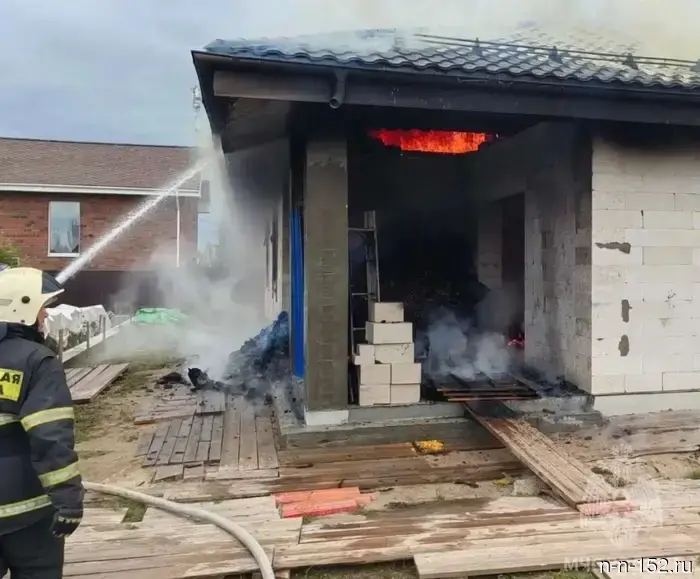 A powerful fire broke out in a private house in Nizhny Novgorod.
News of Nizhny Novgorod
A powerful fire broke out in a private house in Nizhny Novgorod.
News of Nizhny Novgorod
 Nizhny Novgorod parents admitted who they do not want to see their children as.
News of Nizhny Novgorod
Nizhny Novgorod parents admitted who they do not want to see their children as.
News of Nizhny Novgorod
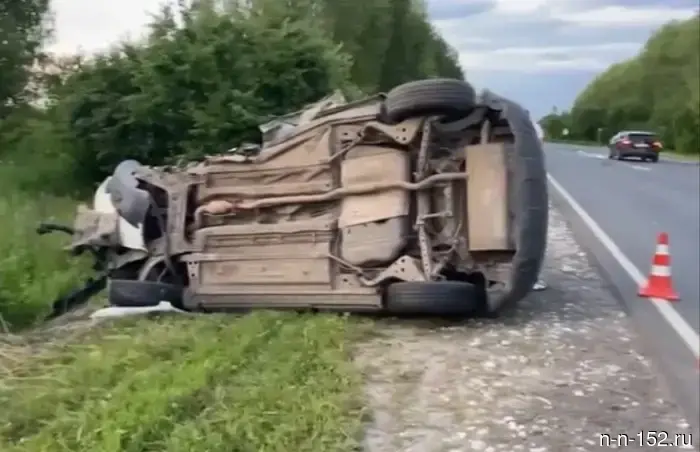 Five people were injured in a serious traffic accident on the highway in the Nizhny Novgorod region.
News of Nizhny Novgorod
Five people were injured in a serious traffic accident on the highway in the Nizhny Novgorod region.
News of Nizhny Novgorod
 A man died after his clothing caught fire in Nizhny Novgorod.
News of Nizhny Novgorod
A man died after his clothing caught fire in Nizhny Novgorod.
News of Nizhny Novgorod
 23 people died in a traffic accident on the "oncoming lane" in the Nizhny Novgorod region over five months.
News of Nizhny Novgorod
23 people died in a traffic accident on the "oncoming lane" in the Nizhny Novgorod region over five months.
News of Nizhny Novgorod
From traffic accidents to drownings: why alcohol remains one of the leading causes of mortality
News of Nizhny Novgorod