
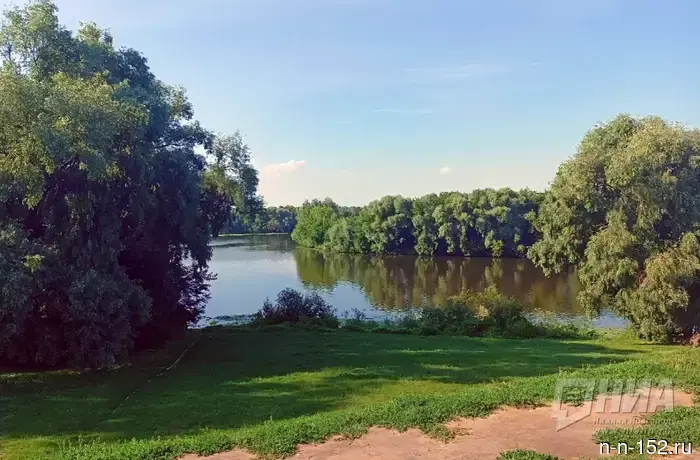
Spirit Day: a holiday at the intersection of Christianity and folk beliefs
June 1, 2026 20:00 Society The Day of the Holy Spirit is not just a folk holiday with mermaids and a work ban, but an important Christian celebration dedicated to the third person of the Holy Trinity - the Holy Spirit. On this day, which is celebrated on the first Monday after Trinity, believers remember how the Holy Spirit descended upon the apostles in the form of fiery tongues. Alexander Neveev, a candidate of psychological sciences and religious scholar, told 360.ru about this. The religious significance of the holiday is revealed in the words of John the Baptist, who predicted the baptism of Christ's disciples: "I baptize you with water for repentance, but He who is coming after me is mightier than I; I am not worthy to carry His sandals; He will baptize you with the Holy Spirit and fire." This expression symbolizes being born from above - the transformation of a person by God and the granting of a new spiritual life. Fire embodies divinity and holiness. Folk traditions Despite its Christian roots, the Day of the Holy Spirit has become a folk holiday with many traditions, clarified writer and publicist, historian and religious scholar Nikolai Sapelkin. People rested, continuing to celebrate the Holy Trinity and finishing fieldwork. On this day, a new cycle of agricultural work began: harvesting the first grass and the first hay cutting. The holiday is also associated with the commemoration of the deceased. People turned to the spirits of their ancestors, remembered them, and ended the day with prayers. Touching the ground was considered forbidden - all the time had to be dedicated to the glorification of the Holy Spirit. Fishing began after the Day of the Holy Spirit. Until that moment, people did not go to the water bodies, fearing to be left without a catch for the entire summer. Homes were decorated with birch branches to attract prosperity and protect against evil spirits, including mermaids. Rusalies and bathing On the Day of the Holy Spirit, according to folk beliefs, mermaids came ashore, walked through the fields and meadows, bringing moisture to nature. People believed that where a mermaid passed, thick grass grew and wheat ripened. This is related to the fact that in Central Russia, it often rained on Trinity. The day after the Day of the Holy Spirit was Rusalie - the beginning of Rusalie week, when mermaids, considered incarnations of the souls of deceased people, were honored. On the first day of Rusalie, people mowed grass. Until that day, swimming was prohibited, as it was believed that mermaids could cause harm. However, on Rusalie, the bathing season began, and people could safely enter the water bodies after fieldwork. Signs The Day of the Holy Spirit has accumulated many signs and sayings:
"Until the Holy Spirit's day, do not take off your coat" - a warning that one should not expect summer warmth before this day.
"Do not trust the warmth until the Day of the Holy Spirit" - another sign about changeable weather.
"When the Day of the Holy Spirit comes, it will be as warm outside as on the stove" - a promise of summer heat.
People believed that the weather on the Day of the Holy Spirit predicts the weather for the next 40 days. If the day was rainy, summer and autumn promised to be warm and sunny. A dry day foretold a droughty summer, while cold and damp weather indicated a capricious June. The NIA "Nizhny Novgorod" has channels on Telegram and MAX. Subscribe to stay updated on major events, exclusive materials, and timely information. Copyright © 1999—2025 NIA "Nizhny Novgorod". When reprinting, a hyperlink to NIA "Nizhny Novgorod" is mandatory. This resource may contain materials 18+
Другие Новости Нижнего (Н-Н-152)
 A project on local culture has been launched in the Nizhny Novgorod region.
News of Nizhny Novgorod
A project on local culture has been launched in the Nizhny Novgorod region.
News of Nizhny Novgorod
 35 Nizhny Novgorod residents received support thanks to the social project "School for Family Members of SVO Participants."
News of Nizhny Novgorod
35 Nizhny Novgorod residents received support thanks to the social project "School for Family Members of SVO Participants."
News of Nizhny Novgorod
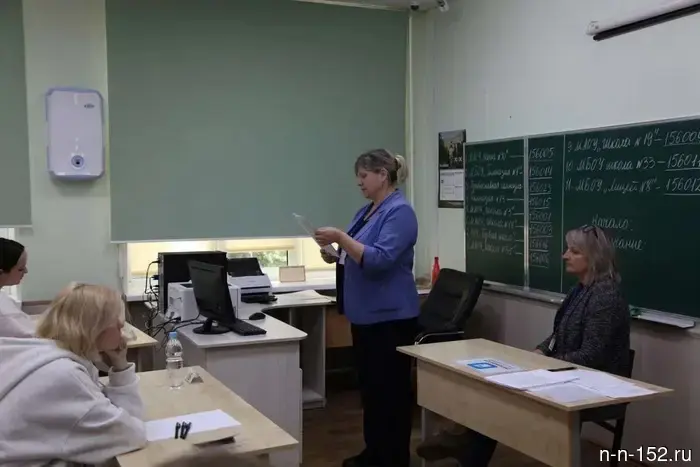 The main period for taking the Unified State Exam has started in the Nizhny Novgorod region.
News of Nizhny Novgorod
The main period for taking the Unified State Exam has started in the Nizhny Novgorod region.
News of Nizhny Novgorod
 Andrey Gneushev handed over the keys to new cars to the mobile teams of the "Children in the Family" service.
News of Nizhny Novgorod
Andrey Gneushev handed over the keys to new cars to the mobile teams of the "Children in the Family" service.
News of Nizhny Novgorod
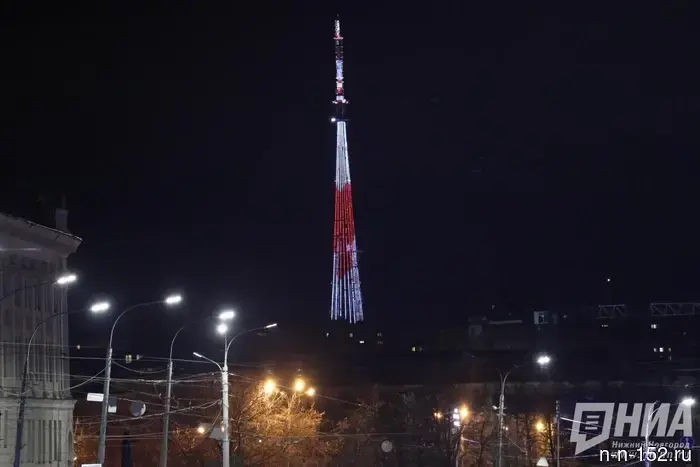 The festive lighting will turn on at the Nizhny Novgorod TV tower on June 1.
News of Nizhny Novgorod
The festive lighting will turn on at the Nizhny Novgorod TV tower on June 1.
News of Nizhny Novgorod
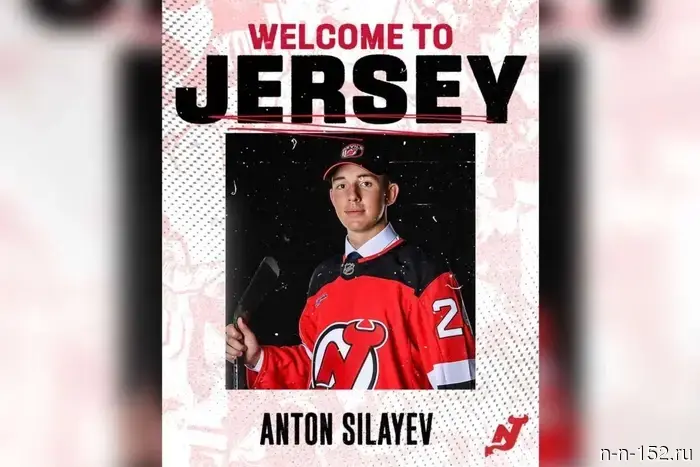 Defender Anton Silaev has signed a rookie contract with the New Jersey.
News of Nizhny Novgorod
Defender Anton Silaev has signed a rookie contract with the New Jersey.
News of Nizhny Novgorod
Spirit Day: a holiday at the intersection of Christianity and folk beliefs
News of Nizhny Novgorod