
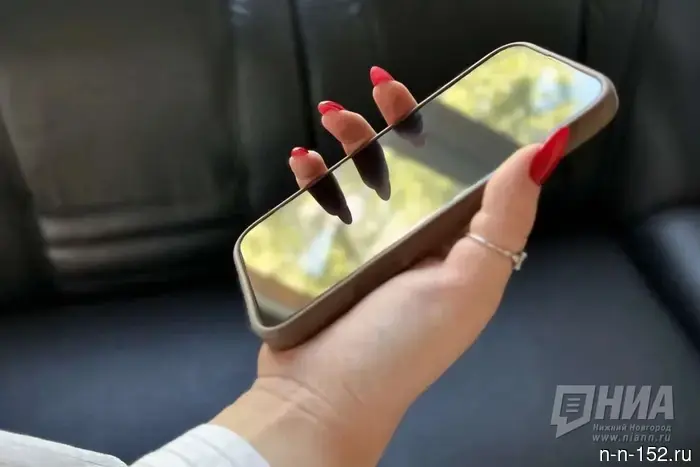
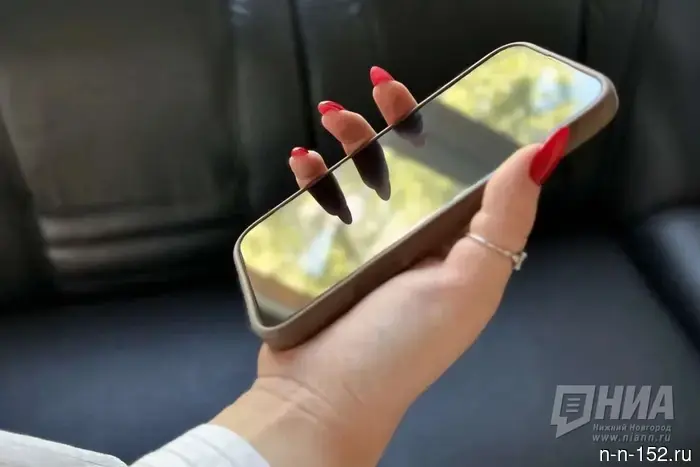
Only 9% of Nizhny Novgorod residents are willing to communicate with a digital copy of the deceased.
September 4, 2026 17:17 SocietyNizhny Novgorod residents are more likely than Russians to believe that it is better to let go of the deceased than to keep a digital copy of them. This is evidenced by the results of a study by MWS AI, part of MTS Web Services. According to the survey*, 65% of Nizhny Novgorod residents believe that after the death of a loved one, it is better to live through the loss and move on without creating a digital twin. 18% of respondents would prefer to keep such a copy. Overall in Russia, these options were chosen by 53% and 31% of respondents, respectively. 9% of residents of the Nizhny Novgorod region are ready to communicate with the digital copy of the deceased, compared to 26% nationwide. Another 32% of Nizhny Novgorod residents allow such communication only in the first years after the loss. In the nationwide sample, 59% of respondents stated that they are not ready to interact with the digital copy of the deceased in any form. At the same time, 47% of surveyed residents of the Nizhny Novgorod region would agree to create their own digital copy during their lifetime, which would continue to exist after their death. The most common reason was concern for loved ones: 26% of respondents would like to support their relatives in this way. Another 18% would agree to create a digital copy for financial gain, and 3% for the idea of "personal immortality." 53% of survey participants would not create their digital twin. 18% of Nizhny Novgorod residents are willing to pay for the creation and ongoing support of their own digital copy. Another 26% would take advantage of such an opportunity for free, while 56% are not willing to spend money on it. Overall in Russia, 48% of respondents are not ready to pay for the technology. More than half of those surveyed in the Nizhny Novgorod region (53%) believe that the technology should be directly regulated by law. Another 29% consider a person's lifetime consent to create their digital copy sufficient. 9% advocate for a complete ban, and the same number believe that special regulation is not required. * The survey was conducted among residents of Russian cities. MWS AI clarified that the regional subsample is smaller than the nationwide one, so differences of a few percentage points between regional and nationwide results should not be considered significant. NIA "Nizhny Novgorod" has channels on Telegram and MAX. Subscribe to stay updated on major events, exclusive materials, and timely information. Copyright © 1999—2025 NIA "Nizhny Novgorod". When republishing, a hyperlink to NIA "Nizhny Novgorod" is mandatory. This resource may contain materials 18+
Другие Новости Нижнего (Н-Н-152)
 Two women and a 14-year-old girl were injured in a mass traffic accident near Nizhny Novgorod.
News of Nizhny Novgorod
Nizhny Novgorod is preparing for the visit of experts for the "Family Capital of Russia" competition.
News of Nizhny Novgorod
Two women and a 14-year-old girl were injured in a mass traffic accident near Nizhny Novgorod.
News of Nizhny Novgorod
Nizhny Novgorod is preparing for the visit of experts for the "Family Capital of Russia" competition.
News of Nizhny Novgorod
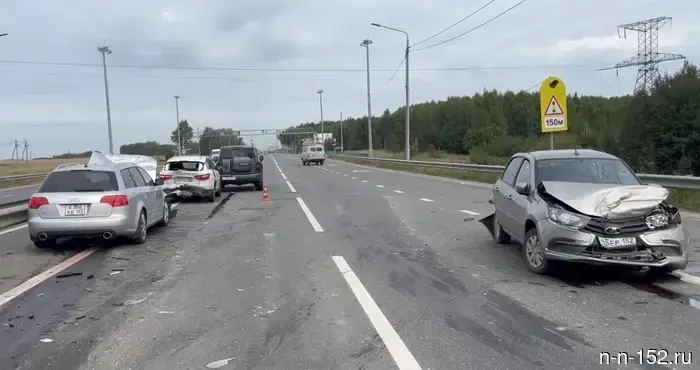 Two women and a 14-year-old girl were injured in a mass traffic accident near Nizhny Novgorod.
News of Nizhny Novgorod
Two women and a 14-year-old girl were injured in a mass traffic accident near Nizhny Novgorod.
News of Nizhny Novgorod
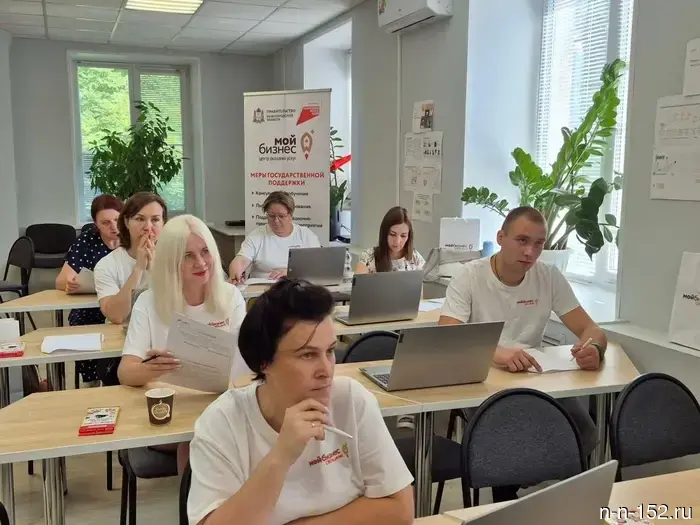 More than 50 participants of the "YOUR business" project joined the business games.
News of Nizhny Novgorod
More than 50 participants of the "YOUR business" project joined the business games.
News of Nizhny Novgorod
 HC "Start" will play in the top league.
The hockey club "Start" announces the decision to move the team to the higher league in the 2026/27 season. 04.09.2026. HC Start. Nizhny Novgorod Region. Nizhny Novgorod.
HC "Start" will play in the top league.
The hockey club "Start" announces the decision to move the team to the higher league in the 2026/27 season. 04.09.2026. HC Start. Nizhny Novgorod Region. Nizhny Novgorod.
Only 9% of Nizhny Novgorod residents are willing to communicate with a digital copy of the deceased.
News of Nizhny Novgorod