
The Future of Migration Processes in Russia: Results of the Round Table in Nizhny Novgorod
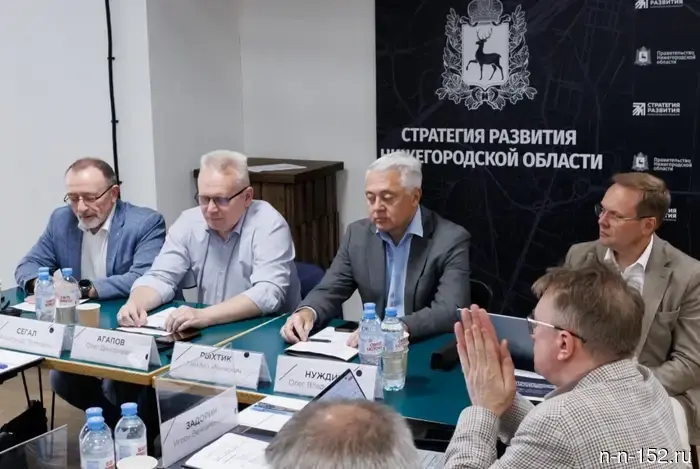
On July 3, 2026, at 15:22, Society reported that on June 30, a round table titled "Russia in Greater Eurasia in the 21st Century: Global Trends in Migration Processes" was held in Nizhny Novgorod, organized by three leading institutions: the information and consulting center "Akson," the philosophical club "Civilizational Future of Russia," and N.N. Lobachevsky Nizhny Novgorod State University. This was reported by RIAOM.
The event was opened by Alexander Segal, a senior researcher at the philosophy faculty of Lomonosov Moscow State University. He suggested considering the future not only through the lens of current trends but also taking into account strategic goals, which implies a proactive approach to solving migration issues.
The discussion was moderated by Oleg Agapov, a professor at the V.G. Timiryasov Institute of Management. In his opening remarks, he emphasized changes in the understanding of the term "Greater Eurasia." Together with Oleg Nuzhdin, executive director of the IC "Akson," he presented an analysis of the objective factors influencing migration processes in Central Asia. They noted that the high birth rate and unemployment in the region make it a source of excess labor directed towards Russia.
Liya Farakhova, a specialist at the IC "Akson," drew attention to the problem of water scarcity in Central Asia. Over the past four decades, the availability of water resources has decreased by more than three times. This leads to increased social tension, pressure on agriculture, and the labor market. In the worst-case scenario, Russia may face an increase in climate migration from the region.
Dmitry Kirilin, the first deputy general director of the "OKA" Agency, spoke about the challenges of economic and social adaptation for skilled migrants. He noted that previously, the problem of uncontrolled migration was due to the lack of digital tools for tracking it. However, starting from 2024-2025, thanks to new government initiatives, the situation has significantly improved.
Igor Zadorin, head of the "CIRCON" Research Group, presented data on the migration preferences of the population in the post-Soviet space. He also highlighted the use of migration flows as a tool for political pressure.
As a result of the event, recommendations were formulated for the effective and safe integration of migrants, as well as for strengthening Russia's humanitarian influence in the region. NIA "Nizhny Novgorod" has channels on Telegram and MAX. Subscribe to stay updated on major events, exclusive materials, and operational information. Copyright © 1999—2025 NIA "Nizhny Novgorod." When reprinting, a hyperlink to NIA "Nizhny Novgorod" is mandatory. This resource may contain materials 18+.
Другие Новости Нижнего (Н-Н-152)
 The Nizhny Novgorod city administration is selecting locations for intercepting parking lots.
News of Nizhny Novgorod
The Nizhny Novgorod city administration is selecting locations for intercepting parking lots.
News of Nizhny Novgorod
 It turned out where you can swim in the Nizhny Novgorod region.
News of Nizhny Novgorod
It turned out where you can swim in the Nizhny Novgorod region.
News of Nizhny Novgorod
 At the meeting of the District Council, measures of social support for participants of the Special Military Operation were discussed.
News of Nizhny Novgorod
At the meeting of the District Council, measures of social support for participants of the Special Military Operation were discussed.
News of Nizhny Novgorod
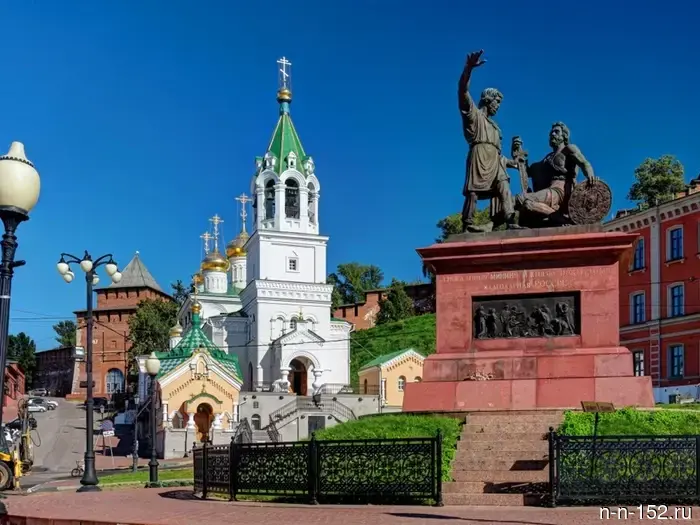 Event monitoring expert report from June 29 to July 3, 2026, by the Autonomous Non-Profit Organization "Minin Center"
News of Nizhny Novgorod
Event monitoring expert report from June 29 to July 3, 2026, by the Autonomous Non-Profit Organization "Minin Center"
News of Nizhny Novgorod
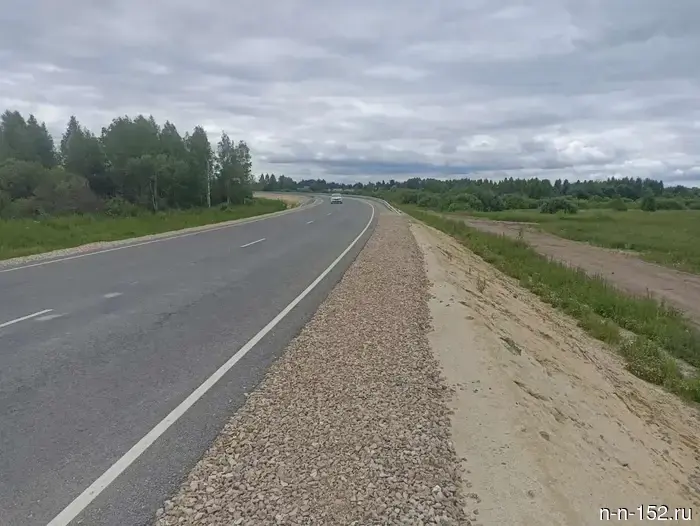 Traffic on the western bypass of Arzamas is open according to a temporary scheme.
News of Nizhny Novgorod
Traffic on the western bypass of Arzamas is open according to a temporary scheme.
News of Nizhny Novgorod
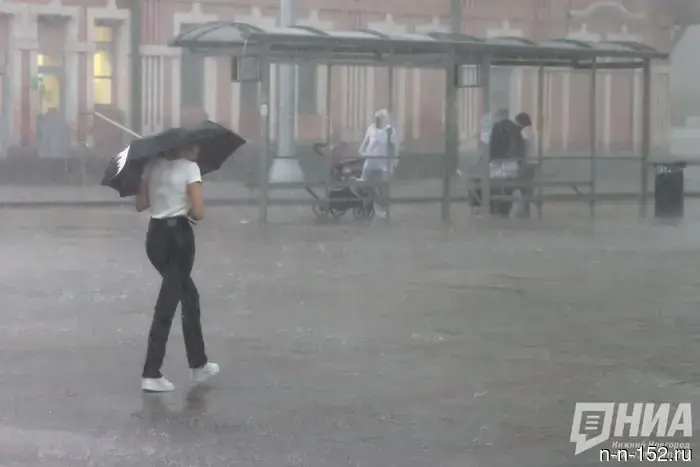 Heavy rains are expected in the Nizhny Novgorod region on July 3.
News of Nizhny Novgorod
Heavy rains are expected in the Nizhny Novgorod region on July 3.
News of Nizhny Novgorod
The Future of Migration Processes in Russia: Results of the Round Table in Nizhny Novgorod
News of Nizhny Novgorod