
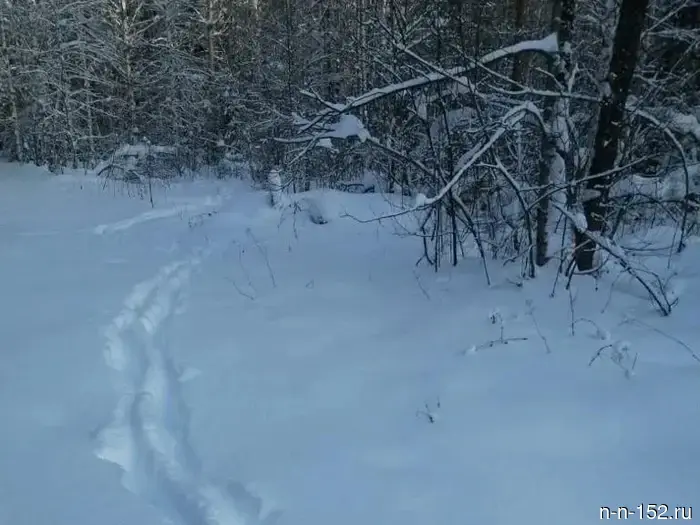
Minleskhoz: Moose and roe deer populations have increased in the Nizhny Novgorod region.
On April 8, 2026, 14:37 Society In the Nizhny Novgorod region, an increase in the population of key species of game animals has been recorded. According to winter route accounting data, the populations of moose and roe deer have increased most noticeably, reported the regional Ministry of Forestry. Currently, there are 26,200 moose in the region — 600 more than a year ago. The population of European roe deer has grown from 1,800 to 1,873 individuals, while the Siberian roe deer has increased from 2,400 to 2,769. The head of the regional Ministry of Forestry, Roman Vorobyov, emphasized that the population growth is the result of systematic work. It is not just about statistics, but about comprehensive measures — from regulating hunting to habitat protection and combating poaching. "Population control of game animals is one of the important areas of work for biodiversity conservation in the region, and we see that the chosen approaches are yielding tangible results," noted Vorobyov. Monitoring also showed divergent dynamics for other species. The population of the white hare decreased from 49,800 to 46,300 individuals, while the population of the brown hare remained stable at 3,800. A moderate increase in the fox population was recorded — from 2,959 to 3,057 individuals. The most noticeable positive changes were observed among game birds: the population of capercaillie increased from 74,000 to 117,000 individuals, and the population of black grouse increased from 133,000 to 172,000. At the same time, the number of wolves decreased — from 24 to 17 individuals. According to specialists, this contributes to maintaining ecological balance and the stability of the region's ecosystems. Vorobyov reported that the winter accounting was conducted by state hunting inspectors, hunting specialists, gamekeepers, and experienced hunters. A total of 1,609 reports were processed, with the length of routes exceeding 15,600 km, and 217 feeding sites were surveyed. He noted that behind these indicators lies "intensive work in difficult winter conditions, meticulous observation, and recording of every trace." The "Digital Forest" system was used for data analysis, which allows for the rapid assessment of population status in both designated and publicly accessible hunting grounds. According to the minister, this tool provides a comprehensive picture. During the accounting, specialists studied a wide range of species — from ungulates to predators and small animals, as well as representatives of forest and field game. Animal tracks were recorded, bird observations were conducted, population numbers at feeding sites were assessed, and weather conditions, the state of the food base, and human impact were taken into account. Based on the data obtained, permissible volumes of animal removal will be determined, and measures will be developed to regulate hunting activities to maintain sustainable population numbers. Biodiversity conservation is part of the national project "Ecological Well-Being," which is being implemented in Russia from 2025 at the direction of President Vladimir Putin. It continues the goals of the previous national project "Ecology" and includes measures for environmental protection, the development of waste recycling infrastructure, forest conservation, and the protection of rare animal species, as well as the development of eco-tourism. It was previously reported that since the beginning of the year, 15 cases of rabies in animals have been recorded in the Nizhny Novgorod region. NIA "Nizhny Novgorod" has a Telegram channel. Subscribe to stay updated on major events, exclusive materials, and timely information. Copyright © 1999—2025 NIA "Nizhny Novgorod". When reprinting, a hyperlink to NIA "Nizhny Novgorod" is mandatory. This resource may contain materials 18+
Другие Новости Нижнего (Н-Н-152)
 Almost 70% of Russians are ready to house a robot android for cleaning and cooking.
News of Nizhny Novgorod
Almost 70% of Russians are ready to house a robot android for cleaning and cooking.
News of Nizhny Novgorod
 Queues for IVF have been eliminated in the Nizhny Novgorod region.
News of Nizhny Novgorod
Queues for IVF have been eliminated in the Nizhny Novgorod region.
News of Nizhny Novgorod
 Chintsov checked the construction of kindergartens in Nizhny Novgorod.
News of Nizhny Novgorod
Chintsov checked the construction of kindergartens in Nizhny Novgorod.
News of Nizhny Novgorod
 Nizhny Novgorod has taken the lead in updating its tram fleet.
News of Nizhny Novgorod
Nizhny Novgorod has taken the lead in updating its tram fleet.
News of Nizhny Novgorod
 At the Data Fusion conference, the regulation of artificial intelligence was discussed.
News of Nizhny Novgorod
At the Data Fusion conference, the regulation of artificial intelligence was discussed.
News of Nizhny Novgorod
 Ministry of Health: six people hospitalized for poisoning in Uren.
News of Nizhny Novgorod
Ministry of Health: six people hospitalized for poisoning in Uren.
News of Nizhny Novgorod
Minleskhoz: Moose and roe deer populations have increased in the Nizhny Novgorod region.
News of Nizhny Novgorod