
A person needs a person: how kinship ties are restored in boarding schools
Sometimes a person needs very little: to be remembered, to receive a call, to have someone come over, to sit next to them... For residents of psycho-neurological boarding houses, such simple things often turn out to be unattainable. Lost connections with relatives sever not only the past but also the possibility of living outside the system. Yet even after decades of separation, these connections can sometimes be restored. How this happens was investigated by the editorial team of NIA "Nizhny Novgorod."
When not just relatives are sought
In the Arzamas social service home for children "Mayak," 87 people live – children and young adults with severe developmental disabilities. Many of them cannot move independently and require constant care. And it is there that they began to do what staff at such institutions often lack time for – searching for relatives.
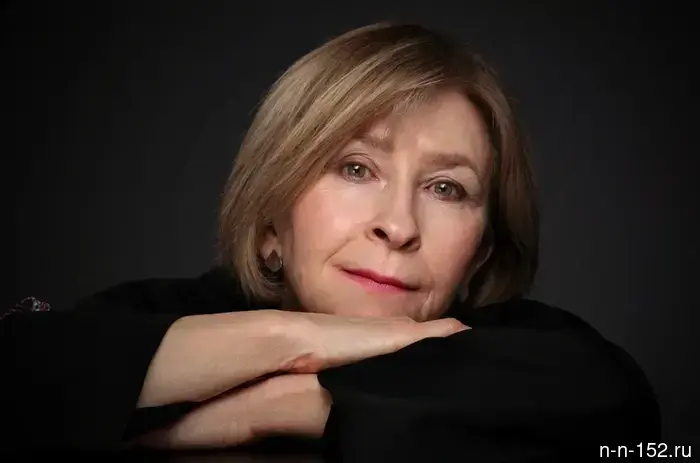
Evgenia Gabova, director of "Mayak"
The idea to systematically search for the relatives of the wards arose with the institution's director Evgenia Gabova during her training at the Institute of Advisors for Social Change of the People's Front project "Region of Care." Thanks to the project at "Mayak," 39 families renewed communication with their children, five wards returned to their biological families, and four to foster families. Later, this experience began to be applied in other similar institutions. "Every person at birth experiences a need for a significant adult. This need for attachment emerged in humanity during the process of evolution, which is why family is very important for every child. When this attachment is absent, the child's stress hormone levels begin to spike, blocking their development. Children in boarding houses often look two years younger than their actual age at 20. We search for those significant adults for the children – biological relatives or foster families," explained Evgenia Gabova.
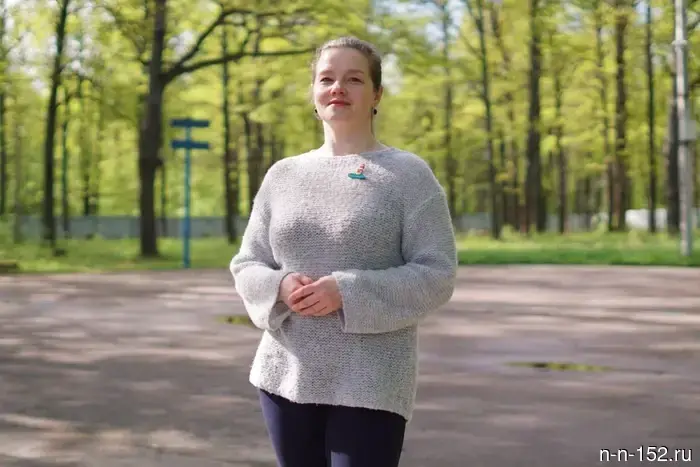
Antonina Govorkova, specialist at "Mayak"
The search for relatives at "Mayak" is handled by specialist Antonina Govorkova. She studies the personal files of the wards, searches for people through social networks and agencies, contacts relatives, and invites them to the boarding house. During her time there, she managed to find relatives for 57 wards. Relatives began to visit 24 of them. Four wards returned to their biological families, one went under guardianship, four received personal nannies, and six children began to spend nights visiting relatives or significant adults.
The most difficult part – the first meeting
Finding a person is only half the battle. Many families are not ready to return to communication right away. Some are afraid, some feel guilty, and some simply do not know where to start. Even if a meeting occurs, it is rarely simple. Relatives do not understand how to talk to a child they haven't seen for years, especially if the child does not speak or is withdrawn. To help, "Mayak" has set up a family lounge – a space where they can be together without outsiders. There, relatives are taught how to build contact.
Kirill, who became a grandson again
Kirill's story is one of those where everything could have turned out differently. He ended up in a boarding house not because of parental abandonment: the boiler in the house broke down, making it impossible to live there. The child was taken away, and he spent several years in the institution.
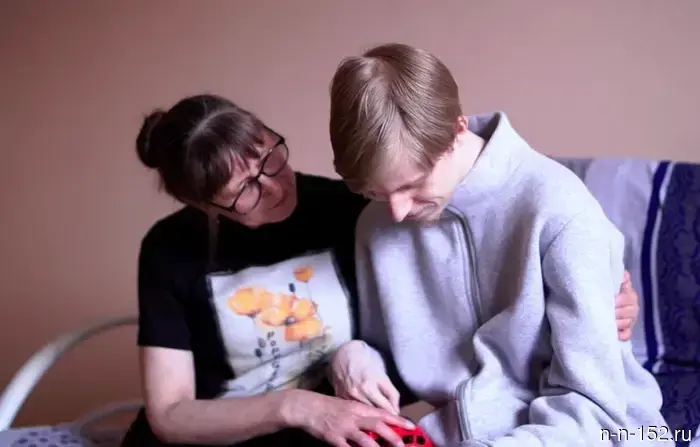
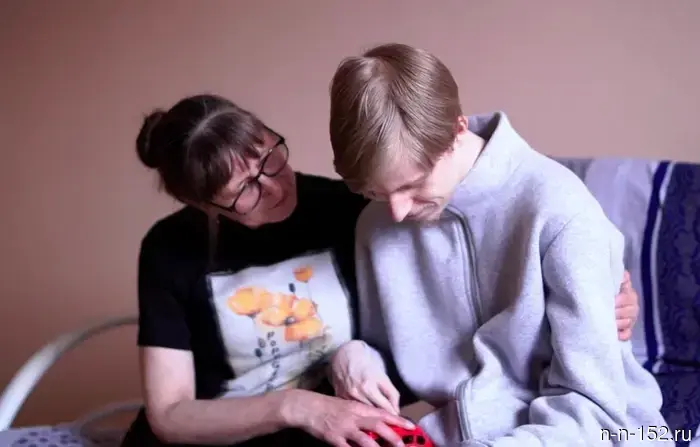
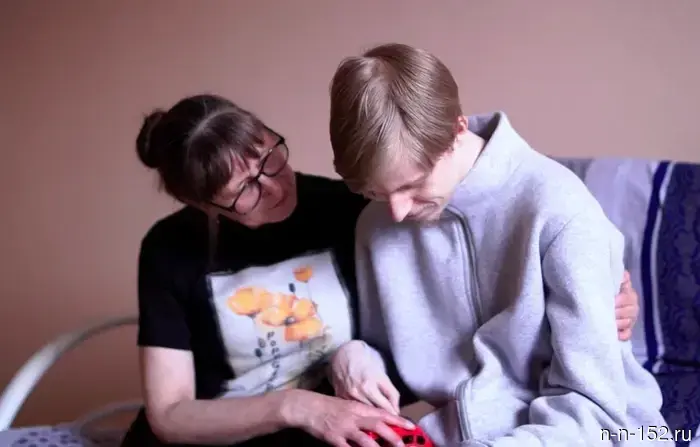
Kirill with his grandmother
When the staff found his grandmother Galina Borisovna, she agreed to restore contact. With the help of specialists, she moved to Arzamas, found housing and work. At first, Kirill only visited her during the day, then he began to stay longer. Over time, he stopped wanting to return to the boarding house. His grandmother quit her job to be with him. Now they live together.
Nikita, who started to speak
Sometimes a return begins with a single phone call. Nikita ended up in a boarding house after his mother Marina was imprisoned (she was protecting herself and her son from domestic violence).
Nikita with his mother
Their first meeting took place via video call. It was then that the staff heard Nikita speak for the first time – he had previously been considered non-verbal. After her release, Marina was helped with housing in Arzamas. Now Nikita lives with her, while in a long-term leave format. They are gradually getting used to normal life together.
A family that reappears
It is not always possible to return a child to biological relatives. In such cases, foster families are sought. Sometimes they are formed by staff from the boarding house. For example, caregiver assistant Irina took guardianship of 16-year-old Nikita, who had spent his entire life in institutions. Later, another teenager, Roma, joined the family. Now they live together, manage a household, and take care of a dog. Irina left her job to focus on the children.
New connections within the system
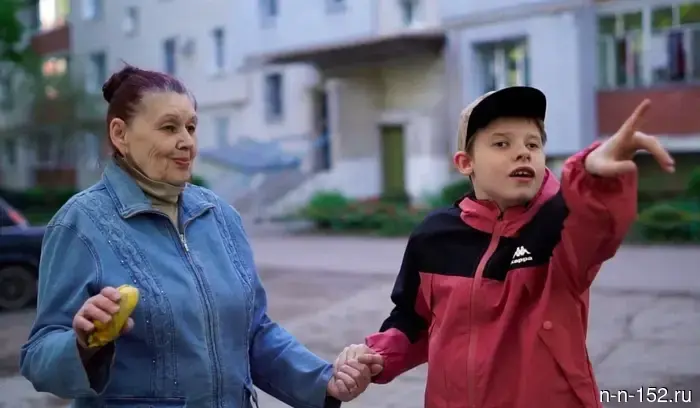
Sometimes important relationships develop even without searching for relatives. Staff member Nadezhda became friends with 22-year-old Natasha. They go for walks together, travel to the city, and visit the hairdresser. Natasha has been to her house, met the pets, and spent time outside the boarding house. For her, this is a new experience.
When family is found after years
The experience of "Mayak" has inspired leaders of boarding houses for adults. At the initiative of the head of the Kuzmyarsky psycho-neurological boarding house, Mikhail Petukhov, and the director of the Vetluzhsky psycho-neurological boarding house, Alexey Gribanov, the project "Path to the Native Harbor" is being implemented. It also involves searching for relatives for residents of psycho-neurological institutions. Staff have been appointed in the boarding houses to search for relatives for their wards. There have already been some initial successes. In the Kuzmyarsky psycho-neurological boarding house, relatives of 73-year-old Alexey Fedorovich, who had believed them to be deceased for over 20 years, were found. In 2025, he met with his family at a dacha. Communication continues to this day. Another ward, Nikolai, asked to find his parents himself. Staff found his father in Dzerzhinsk. They are now in contact and considering the possibility of living closer to each other. In the Vetluzhsky boarding house, relatives sometimes find their loved ones on their own. For example, the niece of one resident saw his photo on social media and contacted the institution. There are also cases where it is possible to reunite relatives who lost each other in childhood.
Not always necessary to take home...
... sometimes it is enough just to return a person to someone’s life. A resident of the boarding house, Lyudmila Viktorovna, asked to find her daughter. She was located through social networks. Initially, communication took place with the involvement of a psychologist, then it became regular. At the same time, she decided not to restore contact with other relatives.
When a person has someone
Such stories used to be rare. Now they are gradually becoming part of systematic work. Yes, searching for relatives is long and complicated, but it changes the lives of people in boarding houses. They gain the opportunity to communicate, visit, and celebrate holidays outside the institution. And most importantly, they gain someone for whom they are not just wards.
Photos provided by the press service of the People's Front project "Region of Care."
NIA "Nizhny Novgorod" has a Telegram channel. Subscribe to stay updated on major events, exclusive materials, and timely information. Copyright © 1999—2025 NIA "Nizhny Novgorod." When reprinting, a hyperlink to NIA "Nizhny Novgorod" is mandatory. This resource may contain materials 18+.
Другие Новости Нижнего (Н-Н-152)
 A person needs a person: how boarding schools restore family ties
News of Nizhny Novgorod
A person needs a person: how boarding schools restore family ties
News of Nizhny Novgorod
 New rules for women's health check-ups have been introduced in Nizhny Novgorod.
News of Nizhny Novgorod
New rules for women's health check-ups have been introduced in Nizhny Novgorod.
News of Nizhny Novgorod
 The service dog picked up the trail of the murderer of former deputy Minkail Saidov.
News of Nizhny Novgorod
The service dog picked up the trail of the murderer of former deputy Minkail Saidov.
News of Nizhny Novgorod
 A magnetic storm will cover the Nizhny Novgorod region on April 3.
News of Nizhny Novgorod
A magnetic storm will cover the Nizhny Novgorod region on April 3.
News of Nizhny Novgorod
 Vladimir Pakov: "The work of a deputy is interesting because you see real changes that benefit the region."
News of Nizhny Novgorod
Vladimir Pakov: "The work of a deputy is interesting because you see real changes that benefit the region."
News of Nizhny Novgorod
 How to enroll a child in the first grade in the Nizhny Novgorod region in 2026
News of Nizhny Novgorod
How to enroll a child in the first grade in the Nizhny Novgorod region in 2026
News of Nizhny Novgorod
A person needs a person: how kinship ties are restored in boarding schools
News of Nizhny Novgorod