
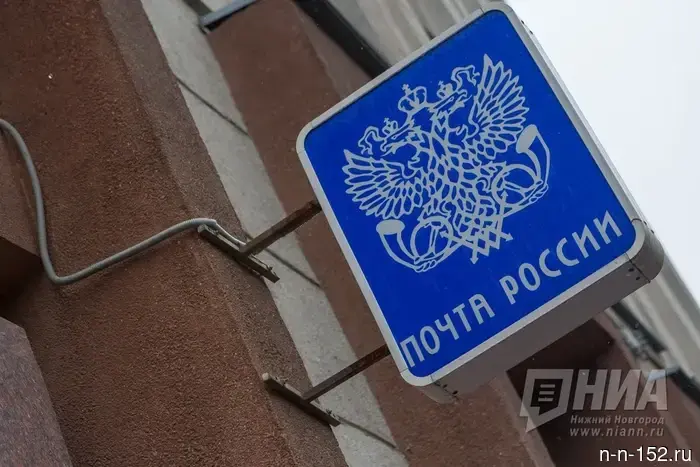
In Russia, the postal industry is being modernized: what will change for citizens
On March 26, 2026, at 11:55, the Ministry of Digital Development sent a comprehensive draft law to the government of the Russian Federation, aimed at modernizing the postal industry and expanding the list of services available to citizens. The document proposes systemic changes in the operations of "Russian Post."
The Deputy Prime Minister and head of the government apparatus, Dmitry Grigorenko, noted that "Russian Post" remains a strategic enterprise and an important part of the social infrastructure, providing communication across the country, including remote settlements. According to him, through the postal network, citizens receive pensions, benefits, and legally significant correspondence.
He emphasized that considering the changes in the delivery market, a set of measures has been prepared for the company's development, and key initiatives were discussed at relevant platforms and formed the basis of the draft law.
"Among the key decisions is the development of an electronic postal system and the ability to sell over-the-counter medications at post offices," Grigorenko noted.
With the user's consent, paper mail can be converted into electronic documents and sent to the personal account on "Gosuslugi," and to enhance market reliability, licensing requirements will be changed.
One of the initiatives will be the transition of utility bill receipts to a digital format. By default, payment documents will be sent to users' personal accounts on the state services portal via the electronic postal system. At the same time, for pensioners, citizens in privileged categories, and users without an account, the delivery of paper receipts will be maintained. The service will remain free, and savings on printing will be directed towards the development of postal infrastructure.
The draft law also provides for the possibility of selling over-the-counter medications at post offices. The list of medications, conditions for their sale, and requirements for employees will be determined by the government. This measure aims to increase the availability of medications, primarily in hard-to-reach areas.
"Russian Post" may receive the status of an authorized organization with the right to access mailboxes in apartment buildings. At the same time, access will be retained for management companies and may also be granted to other organizations by the decision of the general meeting of residents. It is expected that this will reduce the volume of unwanted advertising and enhance the security of mail delivery.
Among other changes is a ban on banks charging a fee for paying for services at post offices. Marketplaces included in the register of digital platforms will be required to open order pickup points at post offices or deliver goods directly there. Additionally, utility bill receipts will have the option to display advertisements, with the income directed towards network development.
Citizens will be able to receive SMS notifications about incoming mail for free. Also, with the user's consent, paper letters can be converted into electronic format and sent to the personal account on "Gosuslugi."
A separate block of the draft law establishes the status of the electronic postal system at the federal level. It will become a single channel for delivering legally significant messages from government bodies to citizens and businesses in cases where documents can be sent electronically.
Regarding social payments, it is proposed to increase the commission for delivering pensions, benefits, and other payments from 1.17% to 1.5%. At the same time, the costs will be borne by the Social Fund, and for citizens, this change will remain unnoticed.
Moreover, the postal operator may be allowed to engage third-party companies and individual entrepreneurs for the delivery of commercial shipments.
The draft law also tightens the requirements for participants in the postal services market. The minimum charter capital for operators will be 5 million rubles, the volume of own funds will be from 1 to 2 billion rubles, and financial risk coverage will be from 100 to 200 million rubles. The license validity period is proposed to be set at 10 years.
Additionally, a differentiated state duty for licensing is introduced: 100 million rubles for the federal level, 10 million for the regional level, and 1 million for the local level. For "Russian Post," the state duty will not be charged.
The NIA "Nizhny Novgorod" has a Telegram channel. Subscribe to stay updated on major events, exclusive materials, and operational information. Copyright © 1999—2025 NIA "Nizhny Novgorod." When reprinting, a hyperlink to NIA "Nizhny Novgorod" is mandatory. This resource may contain materials 18+.
Другие Новости Нижнего (Н-Н-152)
 In Russia, the postal industry is being modernized: what will change for citizens
News of Nizhny Novgorod
The postal industry in Russia is set for serious modernization.
A corresponding draft law has been prepared.
The postal industry in Russia is set for serious modernization.
A comprehensive draft law aimed at modernizing the postal industry and expanding the services available to citizens, 26.03.2026. District Herald Newspaper. Nizhny Novgorod Region. Pervomaisk.
In Russia, the postal industry is being modernized: what will change for citizens
News of Nizhny Novgorod
The postal industry in Russia is set for serious modernization.
A corresponding draft law has been prepared.
The postal industry in Russia is set for serious modernization.
A comprehensive draft law aimed at modernizing the postal industry and expanding the services available to citizens, 26.03.2026. District Herald Newspaper. Nizhny Novgorod Region. Pervomaisk.
 The deadlines for the completion of tram track repairs in Lapshikha and Avtozavod have been announced.
News of Nizhny Novgorod
The deadlines for the completion of tram track repairs in Lapshikha and Avtozavod have been announced.
News of Nizhny Novgorod
 A resident of Diveevo was arrested for hooliganism and fraud with a social contract.
News of Nizhny Novgorod
A resident of Diveevo was arrested for hooliganism and fraud with a social contract.
News of Nizhny Novgorod
 A resident of Diveevo was arrested for hooliganism and fraud with a social contract.
News of Nizhny Novgorod
A resident of Diveevo was arrested for hooliganism and fraud with a social contract.
News of Nizhny Novgorod
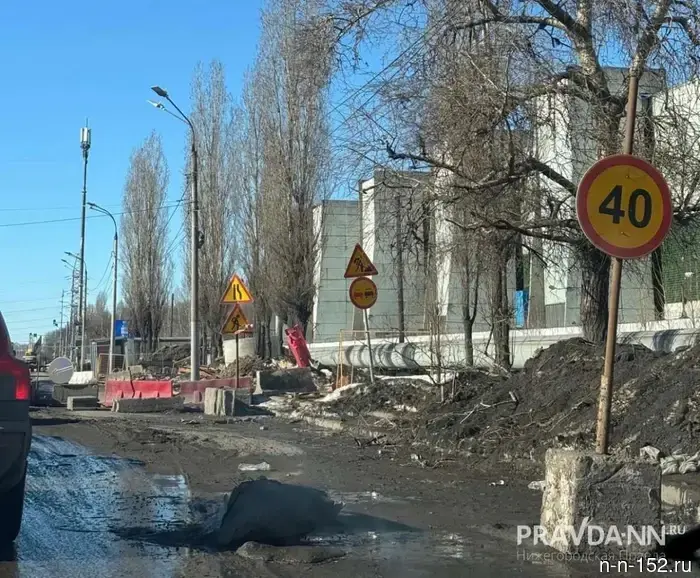 The collector on Novikov-Priboy in Nizhny Novgorod will be repaired by the end of June.
News of Nizhny Novgorod
The collector on Novikov-Priboy in Nizhny Novgorod will be repaired by the end of June.
News of Nizhny Novgorod
In Russia, the postal industry is being modernized: what will change for citizens
News of Nizhny Novgorod