

A Nizhny Novgorod doctor explained why alcohol is dangerous even in small doses.
Since 2025, Russia has launched the federal project "Health for Everyone," part of the national project "Longer and Active Life." Its key goal is to increase the share of citizens leading a healthy lifestyle to 13.6% by 2030, and to reduce per capita alcohol consumption to 7.8 liters per year.
Interim results show the task remains challenging. According to the chief freelance specialist for therapy and general medical practice at the Russian Ministry of Health, Oksana Drapkina, as of mid-year about 11.6% of Russians follow a healthy lifestyle. Alcohol consumption is 8.12 liters per person, which still has a significant impact on mortality, morbidity and injury rates.
Experts note that alcohol remains one of the key risk factors for road traffic accidents, domestic violence and crime. Moreover, alcohol consumption is often at the root of severe chronic diseases and acute conditions that frequently end in death.
More than 200 diseases and conditions
As explained by the deputy chief physician of the Nizhny Novgorod Regional Narcological Dispensary, psychiatrist and addiction specialist Alexey Favorsky, the main danger of alcohol is linked to the action of ethanol — a toxic psychoactive substance that causes dependence.
According to the specialist, alcohol consumption is associated with more than 200 diseases and pathological conditions. Even small doses increase the risk of cancer. Ethanol is recognized as a carcinogen, and its regular use raises the likelihood of developing breast, liver, head and neck, esophageal, and colorectal cancers.
Impact on the brain and nervous system
Alcohol is a central nervous system depressant. Ethyl alcohol freely crosses the blood–brain barrier and accumulates in the brain at almost the same concentration as in the blood.
With systematic use, Favorsky notes, there is a reduction in the mass and volume of the brain, loss of clarity of its membranes, and nerve tissue undergoes degenerative changes. Medical data indicate that about 7,500 neurons die with the consumption of approximately 100 grams of alcohol.
Heart and blood vessels under toxic pressure
Alcohol’s effect on the cardiovascular system directly depends on dose, frequency of use and individual characteristics. Frequent drinking increases the risk of arrhythmias — disturbances of the heart rhythm that can lead to thrombosis and stroke.
Even small doses of alcohol in predisposed individuals can trigger the so‑called "holiday heart syndrome" after heavy feasting. Prolonged abuse leads to alcoholic cardiomyopathy — damage to the heart muscle with thinning of the walls and reduced contractile function. This process is driven by the toxic effects of ethanol and its metabolite acetaldehyde, which cause inflammation and myocardial fibrosis.
In addition, alcohol has a vasoconstrictive effect, which contributes to the development of chronic arterial hypertension. Persistently elevated blood pressure increases the workload on the heart and raises the risk of myocardial infarction.
Liver: from fatty degeneration to cirrhosis
Regular intake of ethanol disrupts the liver’s key functions. Alcohol slows fat metabolism and disturbs cholesterol synthesis, leading to fat accumulation in liver tissue. At early stages these changes are reversible, but with continued alcohol consumption hepatocyte death begins.
Dead cells are replaced by connective tissue, which first leads to fibrosis and then to liver cirrhosis, the specialist emphasizes.
"There is no safe dose"
The medical community is unanimous: there is no safe level of alcohol consumption. Even low doses carry certain health risks.
Complete abstinence from alcohol, Favorsky says, can noticeably improve quality of life and in some cases lead to partial restoration of organ function, especially if the abuse was not long-term.
Holidays without overloading the body
Ahead of the New Year holidays, doctors traditionally remind people of the importance of moderation. A substantial festive table can reduce the risk of drinking on an empty stomach, but the menu should be well thought out. It is recommended to favor fish, seafood, white poultry meat, vegetables and cheeses. Clean water should be an obligatory element of the table — it’s best to start with it.
Fatty and smoked dishes, as well as an excess of sweets, should be treated with caution: combined with ethanol they increase the load on the pancreas, liver and the risk of brain swelling.
As the specialist notes, if alcohol consumption on New Year’s Eve were limited to a glass of champagne, medical institutions would not face a sharp rise in admissions. In January the workload for addiction specialists and psychiatrists traditionally increases, but most often surgeons, trauma doctors and primary care physicians are the ones who are needed.
For issues related to alcohol use, the Russian Ministry of Health operates a hotline: 8-800-200-0-200.
Recall that the Nizhny Novgorod mayor’s office has created a commission to regulate alcohol sales.
Earlier it was reported that residents of Nizhny Novgorod were urged to abstain from alcohol during the New Year holidays.
NIA "Nizhny Novgorod" has a Telegram channel. Subscribe to stay informed about the main events, exclusive materials and timely information.
Copyright © 1999–2025 NIA "Nizhny Novgorod." When reprinting, a hyperlink to NIA "Nizhny Novgorod" is required. This resource may contain 18+ materials.
Другие Новости Нижнего (Н-Н-152)
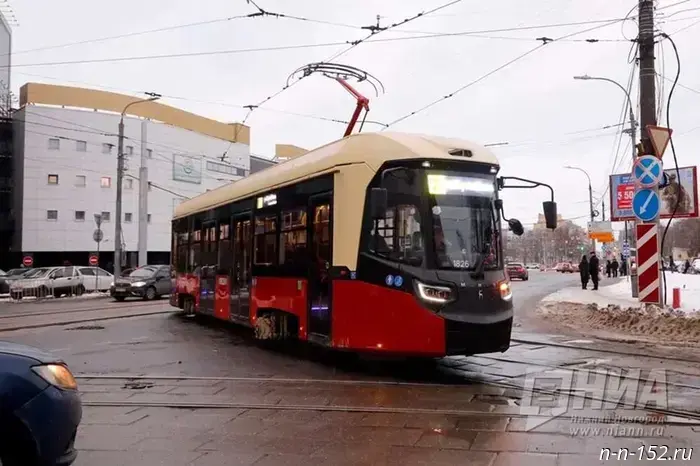 Nizhny Novgorod trams Nos. 18 and 2 have resumed service.
Nizhny Novgorod News
Nizhny Novgorod trams Nos. 18 and 2 have resumed service.
Nizhny Novgorod News
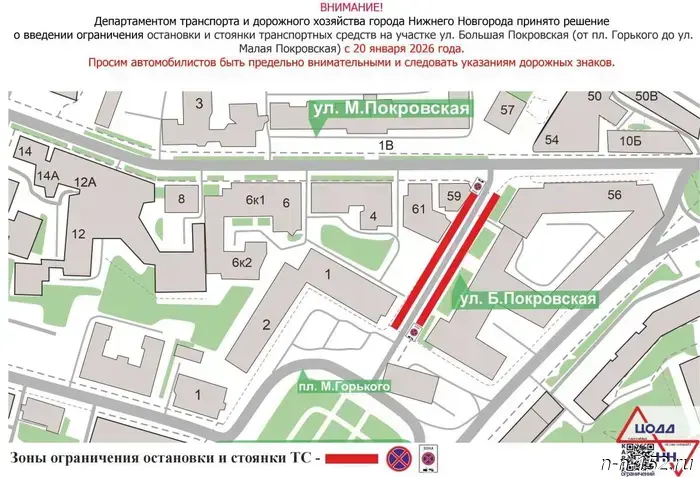 Parking will be banned on Bolshaya Pokrovskaya Street from January 20.
Nizhny Novgorod News
Parking will be banned on Bolshaya Pokrovskaya Street from January 20.
Nizhny Novgorod News
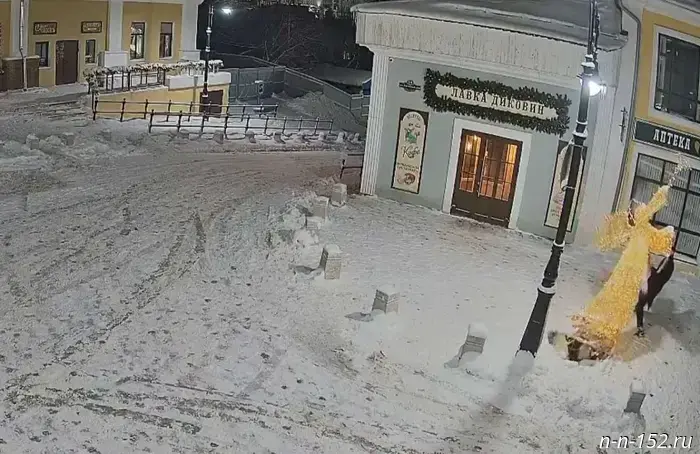 A vandal damaged the New Year's angel in the center of Arzamas.
Nizhny Novgorod News
A vandal damaged the New Year's angel in the center of Arzamas.
Nizhny Novgorod News
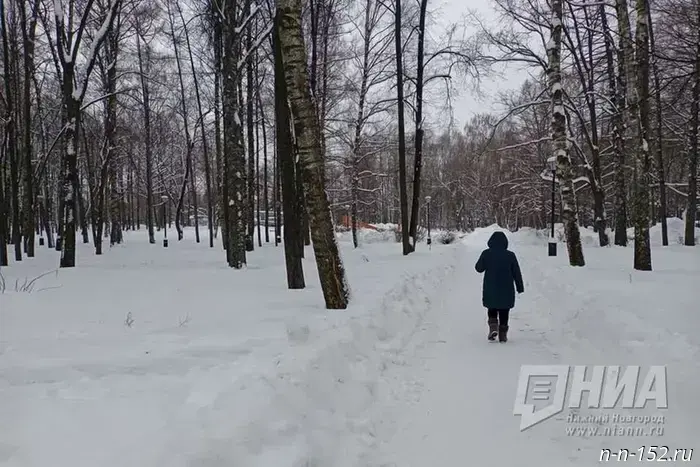 Almost 199 million rubles will be allocated for the renovation of Nizhny Novgorod's 777th Anniversary Park.
Nizhny Novgorod News
Winter break
Winter Holidays
Based on the results of the first eleven months of 2025, the region recorded a 1.2% decrease in the number of road traffic accidents involving children (from 508 to 502). December 30, 2025. Lukoyanovsky Municipal District. Nizhny Novgorod Oblast. Lukoyanov.
Almost 199 million rubles will be allocated for the renovation of Nizhny Novgorod's 777th Anniversary Park.
Nizhny Novgorod News
Winter break
Winter Holidays
Based on the results of the first eleven months of 2025, the region recorded a 1.2% decrease in the number of road traffic accidents involving children (from 508 to 502). December 30, 2025. Lukoyanovsky Municipal District. Nizhny Novgorod Oblast. Lukoyanov.
 The state expert review approved the western bypass project in Vyksa.
Nizhny Novgorod News
The state expert review approved the western bypass project in Vyksa.
Nizhny Novgorod News
A Nizhny Novgorod doctor explained why alcohol is dangerous even in small doses.
Nizhny Novgorod News