
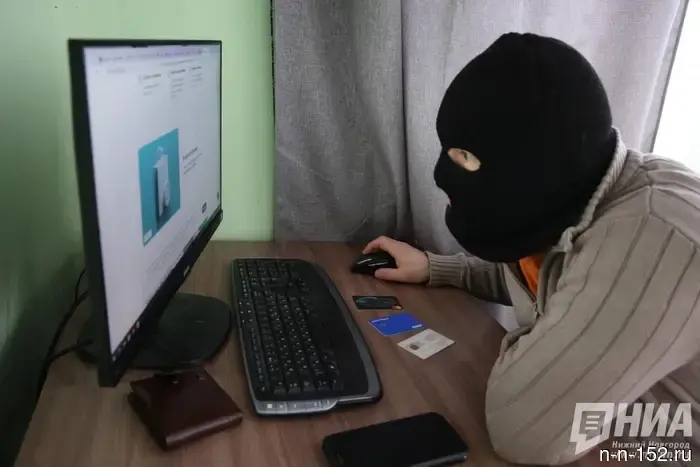
Russians have been encountering deepfakes more frequently - research
August 4, 2026 15:57 Society Over the year, the overall prevalence of deepfakes in the Russian segment of the internet has increased by 9%. At the same time, every third resident of the country encounters them on social networks at least once a week. This data is provided by the Autonomous Non-Profit Organization "Dialogue Regions."
Deepfakes are images, videos, or audio recordings created using artificial intelligence technologies. They can imitate real people, altering the meaning of what is said or shown. Today, scammers no longer require an original recording to create such content—modern AI systems can fully generate videos from scratch.
According to the study, 788 deepfakes posing a high socio-political danger were identified in the Russian-speaking internet in the first half of the year. For comparison, during the same period last year, there were 162 such publications, meaning their number has increased almost fivefold. Two similar cases were recorded in the Nizhny Novgorod region.
Most often, deepfakes are related to politics and state security—this theme accounts for 45.4% of the identified content. Another 24.6% concern citizens' welfare issues, while 6.5% relate to socially significant incidents.
The research also showed that 52% of Russians have encountered deepfakes on the internet at least once—this is the highest figure recorded during the entire observation period. Negative emotions are experienced by 43% of respondents when viewing such content, while 52% consider its spread dangerous. 39% of respondents have a neutral attitude towards the technology, and 3% view it positively.
62% of Russians are aware of or have at least heard of deepfakes. Among them, 76% correctly identify such content as fake. However, 73% of survey participants found it difficult to name specific topics or examples of deepfakes.
Respondents most often expect to encounter such content on internet media websites (40%) and television (30%). According to the majority, deepfakes are primarily created for fraud, political influence, and spreading misinformation, while their entertainment potential remains insignificant for the audience.
Almost half of the study participants (48%) support the introduction of special legislation to regulate deepfakes. At the same time, those who have heard of the technology but have not personally encountered it are more likely to advocate for stricter rules. NIA "Nizhny Novgorod" has channels on Telegram and MAX. Subscribe to stay updated on the main events, exclusive materials, and timely information. Copyright © 1999—2025 NIA "Nizhny Novgorod." When reprinting, a hyperlink to NIA "Nizhny Novgorod" is mandatory. This resource may contain materials 18+
Другие Новости Нижнего (Н-Н-152)
 Price monitoring for products across the entire supply chain will be launched in Russia.
News of Nizhny Novgorod
Meteorologists promised Nizhny Novgorod residents a warm and rainy week.
News of Nizhny Novgorod
Price monitoring for products across the entire supply chain will be launched in Russia.
News of Nizhny Novgorod
Meteorologists promised Nizhny Novgorod residents a warm and rainy week.
News of Nizhny Novgorod
 The death of a 54-year-old man from Nizhny Novgorod in a fire has led to an investigation by the Investigative Committee.
News of Nizhny Novgorod
The death of a 54-year-old man from Nizhny Novgorod in a fire has led to an investigation by the Investigative Committee.
News of Nizhny Novgorod
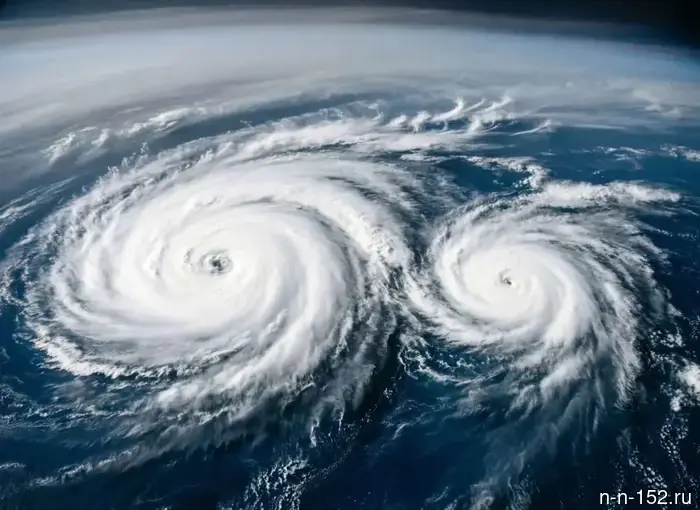 A rare Fudzyvara effect was recorded in the Nizhny Novgorod region in July.
News of Nizhny Novgorod
The mother of the Nizhny Novgorod man who died at the regatta will be paid 1.5 million rubles.
The mother of the Nizhny Novgorod resident who died during the sailing regatta will receive compensation of 1.5 million rubles. 04.08.2026. Open Nizhny. Nizhny Novgorod region. Nizhny Novgorod.
A rare Fudzyvara effect was recorded in the Nizhny Novgorod region in July.
News of Nizhny Novgorod
The mother of the Nizhny Novgorod man who died at the regatta will be paid 1.5 million rubles.
The mother of the Nizhny Novgorod resident who died during the sailing regatta will receive compensation of 1.5 million rubles. 04.08.2026. Open Nizhny. Nizhny Novgorod region. Nizhny Novgorod.
Russians have been encountering deepfakes more frequently - research
News of Nizhny Novgorod