
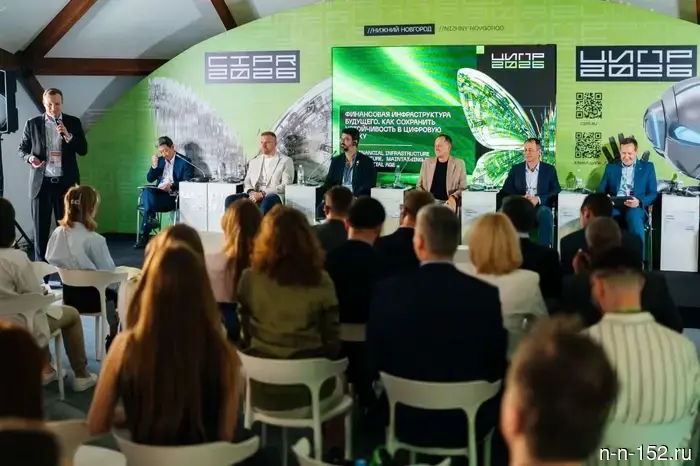
Nizhny Novgorod has become a platform for discussing the future financial infrastructure of the BRICS countries.
On May 21, 2026, at 11:07 AM, Politics - On May 20, in Nizhny Novgorod, as part of the XI International Conference "Digital Industry of Industrial Russia" (CIPR-2026), a panel discussion titled "The Financial Infrastructure of the Future: How to Maintain Resilience" took place. The event was organized by the Autonomous Non-Profit Organization "Project Office for the Development Strategy of the Nizhny Novgorod Region" and the international platform of the Roscongress Foundation, Roscongress International, with the support of the government of the Nizhny Novgorod region.
Representatives from government bodies, the international expert community, the banking sector, fintech companies, and investment platforms from Russia, Brazil, and India participated in the discussion. The focus was on creating new mechanisms for international settlements and financial interaction among BRICS countries using digital financial instruments. The discussion addressed technologies that could potentially serve as alternatives to traditional international payment infrastructure and provide more resilient, secure, and independent mechanisms for cross-border interaction.
According to estimates from international institutions, the financial infrastructure is currently undergoing significant changes: the market for digital assets is growing, the share of digital services in payments is increasing, and alongside this, there is a demand for new mechanisms of trust and international interaction.
Dmitry Starostin, Deputy Chairman of the Government of the Nizhny Novgorod Region, noted that the discussion during the session went far beyond the topic of payment instruments and touched on issues related to the formation of a new architecture for financial, technological, and digital security among BRICS countries.
"Today, states and participants in foreign economic activity are interested in creating resilient and secure mechanisms for international interaction. It is particularly important that representatives from Brazil and India shared their own technological solutions and approaches to developing independent financial infrastructure. For Nizhny Novgorod exporters, this topic is also extremely relevant, as the development of new financial instruments and settlement mechanisms will expand opportunities for foreign economic activity and simplify interaction with foreign partners," emphasized Dmitry Starostin.
He also noted that the government of the Nizhny Novgorod region is ready to participate in the development of international cooperation and the formation of initiatives in the field of digital financial technologies.
The moderator of the discussion was Alexander Nam, Vice President for Digital Assets at MTS Fintech LLC.
"For the Roscongress Foundation, the development of Russia's regions and the promotion of their international potential remains one of the areas of activity. The Nizhny Novgorod region is consistently developing its digital and financial ecosystem, as well as expanding international cooperation in the field of technologies and innovations. The international platform of the Roscongress Foundation, Roscongress International, is ready to continue assisting Russian regions in developing international cooperation, implementing joint projects, and promoting regional initiatives," noted Alexandra Ogneva, Deputy Director and Head of the International and Regional Cooperation Directorate of the Roscongress Foundation.
Arthur Davison, Founder and CEO of EBX.TECH and AGABE.ORG, Co-Chairman of the BRICS iDEA Committee, noted that BRICS countries today have the opportunity to form their own mechanisms for international financial interaction.
"The global financial system is undergoing transformation, and digital assets and decentralized solutions are gradually becoming part of the new financial infrastructure. In these conditions, resilience, security, technological sovereignty, and international compatibility of solutions are becoming crucial," he stated.
Following the discussion, experts noted that the resilience of modern financial infrastructure is determined not only by the level of technological development but also by institutional trust, the quality of regulation, and international coordination. It was emphasized that the most promising models are those that are initially created as international and compatible with various infrastructures.
Participants in the discussion also pointed out that pilot projects in the field of digital financial assets, stablecoins, and digital depositories in BRICS countries are gradually moving from the pilot stage to practical implementation and could potentially become part of a new global financial architecture.
"Today's discussion showed that digital financial instruments are already going beyond individual experiments and becoming a full-fledged element of international infrastructure. It is important that BRICS countries and international partners are ready not only to discuss such mechanisms but also to jointly develop practical solutions for cross-border settlements, investment interaction, and the development of the digital economy," summarized Alexander Nam.
Session participants expressed their readiness for further development of international dialogue and the implementation of joint projects in the field of digital financial technologies, cross-border infrastructure, and payment services. The NIA "Nizhny Novgorod" has channels on Telegram and MAX. Subscribe to stay updated on major events, exclusive materials, and operational information. Copyright © 1999—2025 NIA "Nizhny Novgorod". When reprinting, a hyperlink to NIA "Nizhny Novgorod" is mandatory. This resource may contain materials 18+.
Другие Новости Нижнего (Н-Н-152)
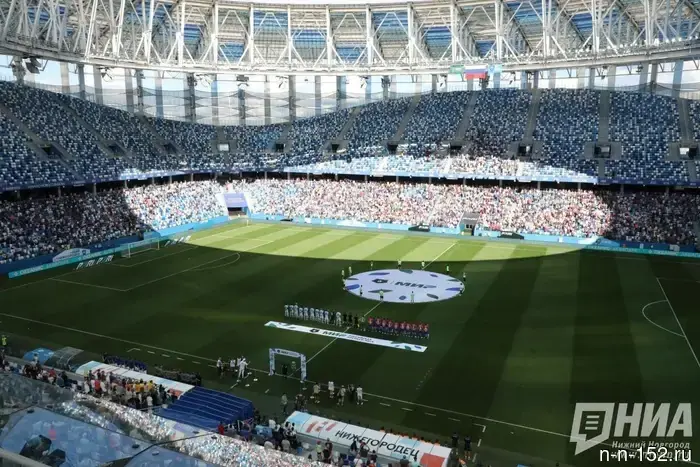 Nizhny Novgorod may host the Russian Super Cup in football.
News of Nizhny Novgorod
Nizhny Novgorod may host the Russian Super Cup in football.
News of Nizhny Novgorod
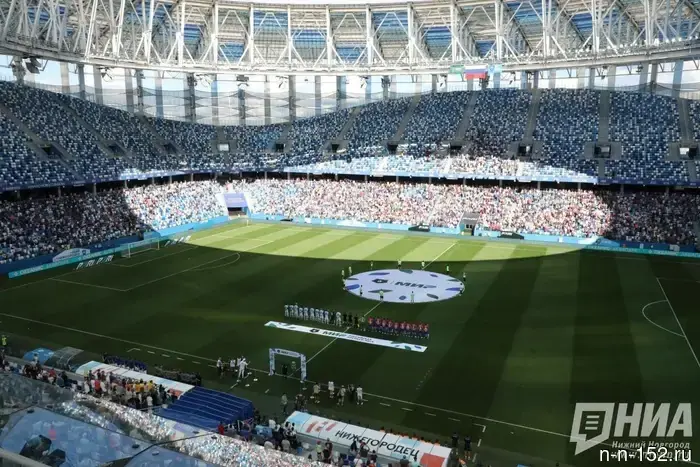 Nizhny Novgorod may host the Russian Super Cup in football.
News of Nizhny Novgorod
Nizhny Novgorod may host the Russian Super Cup in football.
News of Nizhny Novgorod
 Division of property without a stamp in the passport: what rights does a common-law wife have
News of Nizhny Novgorod
Division of property without a stamp in the passport: what rights does a common-law wife have
News of Nizhny Novgorod
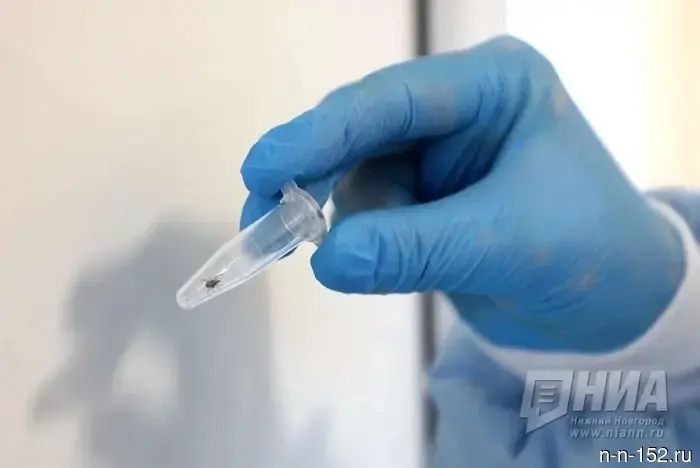 A 67-year-old resident of Nizhny Novgorod was diagnosed with tick-borne borreliosis.
News of Nizhny Novgorod
A 67-year-old resident of Nizhny Novgorod was diagnosed with tick-borne borreliosis.
News of Nizhny Novgorod
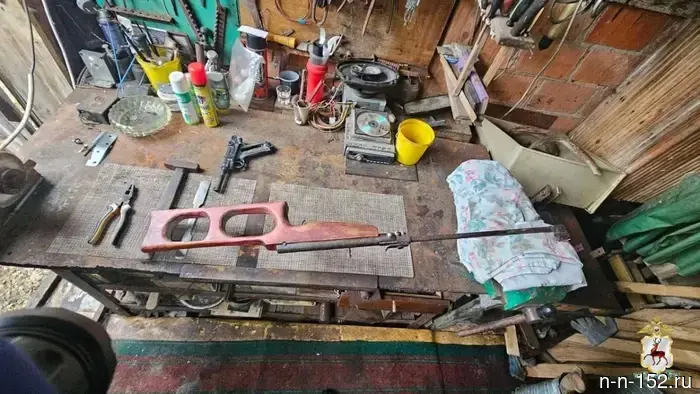 A rifle, pistol, bayonet knife, and cartridges were seized from a resident of the Vadsky district.
News of Nizhny Novgorod
A rifle, pistol, bayonet knife, and cartridges were seized from a resident of the Vadsky district.
News of Nizhny Novgorod
 The ZSNO will ask Volodin to lift the restriction on the registration of guest houses.
News of Nizhny Novgorod
The ZSNO will ask Volodin to lift the restriction on the registration of guest houses.
News of Nizhny Novgorod
Nizhny Novgorod has become a platform for discussing the future financial infrastructure of the BRICS countries.
News of Nizhny Novgorod