
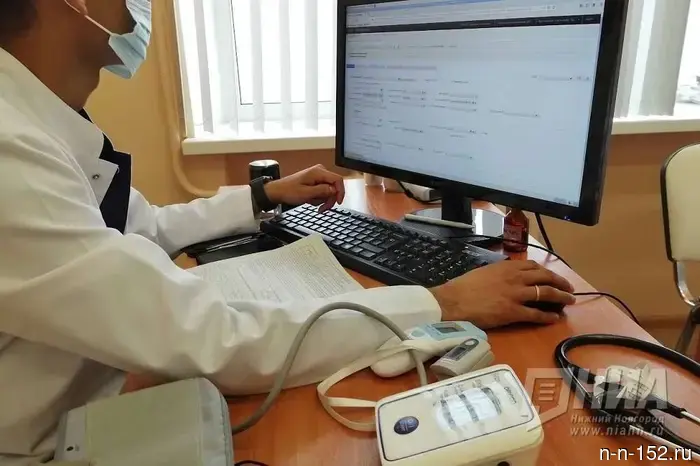
The doctor explained why constant fatigue occurs and when to go to the hospital.
May 19, 2026 11:00 Society Many of us have experienced a feeling of constant fatigue, apathy, and a lack of desire to do anything. This can be a temporary state related to overexertion or unfavorable factors, or it may be a sign of more serious health problems. Pediatrician Konstantin Morozov discussed the causes of this condition and when to seek medical help. What is asthenia? Asthenia is a condition in which a person experiences chronic weakness, increased fatigue, and exhaustion. Asthenia can be both an independent phenomenon and a symptom of other diseases. Types of asthenia Doctors distinguish three main types of asthenic syndrome: Reactive asthenia is a temporary condition that occurs in response to stress, physical, or mental load. It may pass after quality rest or normalization of the daily routine. Examples include: — Recovery period after illness. — Mental overexertion during work or study. — Intense physical training. — Seasonal vitamin deficiency. Primary asthenia is related to individual characteristics of the body, for example, with a melancholic temperament type. This type of asthenia has no obvious external causes and can manifest without visible stressors or loads. Secondary asthenia is the most serious type, which is a symptom of another disease. In this case, asthenia may be the first signal of a serious health problem. It is important to timely identify and treat the underlying disease. Causes of secondary asthenia Secondary asthenia can be caused by various diseases. Here are some of them:
Infections — both acute and chronic. For example, ARVI, cytomegalovirus infection, herpes, helminthiasis, and others. Diagnosis requires tests for antibodies, PCR, and cultures.
Endocrine diseases — such as thyroid pathologies and diabetes. Their detection involves checking hormone and glucose levels in the blood.
Cardiovascular diseases — arrhythmias, ischemic heart disease, and others. These conditions disrupt blood circulation and the delivery of nutrients to tissues, leading to rapid fatigue. Diagnosis involves ECG and echocardiography.
Pulmonary diseases — such as chronic obstructive pulmonary disease (COPD) and bronchial asthma. They reduce the level of oxygen in the blood, affecting performance. Diagnosis includes measuring saturation levels, performing spirometry, and radiological studies.
Systemic diseases — rheumatological, oncological, and hematological pathologies. Often, the cause of asthenia is anemia — a decrease in hemoglobin levels. It can be iron-deficiency (diagnosed by ferritin, iron levels, and its binding capacity) or related to deficiencies in vitamins B₁₂ and B₉ (diagnosed by red blood cell size and hemoglobin levels).
Psychiatric problems — depression, insomnia, chronic fatigue syndrome, and professional burnout. Diagnosis and treatment of these conditions require consultation with a psychiatrist or psychotherapist.
What to do if you notice signs of asthenia? If you feel constant fatigue, apathy, or other symptoms of asthenia, try to assess possible causes:
Stress and lack of sleep — normalizing your daily routine, getting enough sleep and rest can help cope with this condition.
Physical and mental load — reducing work intensity, taking regular breaks, and engaging in physical activity can improve well-being.
Vitamin deficiency — during the autumn-winter period, consider taking vitamins, but only after consulting a doctor.
If symptoms persist for a long time or new ones appear, it is important to consult a therapist. The doctor will conduct the necessary examinations and help identify the cause of your condition. Early diagnosis can prevent the development of serious diseases and return you to a full life, emphasized the specialist in an interview with "MegaTyumen". NIA "Nizhny Novgorod" has channels on Telegram and MAX. Subscribe to stay updated on major events, exclusive materials, and timely information. Copyright © 1999—2025 NIA "Nizhny Novgorod". When reprinting, a hyperlink to NIA "Nizhny Novgorod" is mandatory. This resource may contain materials 18+
Другие Новости Нижнего (Н-Н-152)
 The court did not soften the sentence of the courier who killed a child in Dzerzhinsk.
News of Nizhny Novgorod
The court did not soften the sentence of the courier who killed a child in Dzerzhinsk.
News of Nizhny Novgorod
 Beaten and bitten: a brutal attack on medical workers occurred in Nizhny Novgorod
News of Nizhny Novgorod
Beaten and bitten: a brutal attack on medical workers occurred in Nizhny Novgorod
News of Nizhny Novgorod
 More than 80 "smart" crossings will appear in the Nizhny Novgorod region.
News of Nizhny Novgorod
More than 80 "smart" crossings will appear in the Nizhny Novgorod region.
News of Nizhny Novgorod
 Rosaviation: restrictions at the Nizhny Novgorod airport have been lifted
News of Nizhny Novgorod
Rosaviation: restrictions at the Nizhny Novgorod airport have been lifted
News of Nizhny Novgorod
 The builders have completed more than 50% of the earthworks at the subway construction site near the "Happiness" shopping center.
News of Nizhny Novgorod
The builders have completed more than 50% of the earthworks at the subway construction site near the "Happiness" shopping center.
News of Nizhny Novgorod
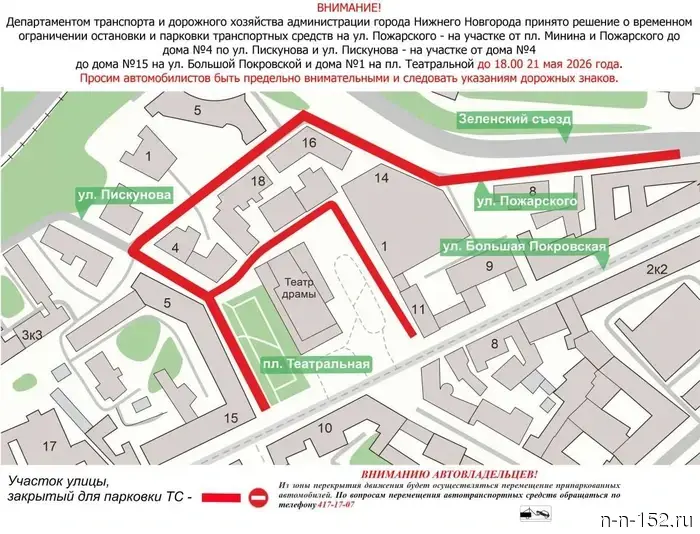 Parking has been restricted in several areas in the center of Nizhny Novgorod.
News of Nizhny Novgorod
Parking has been restricted in several areas in the center of Nizhny Novgorod.
News of Nizhny Novgorod
The doctor explained why constant fatigue occurs and when to go to the hospital.
News of Nizhny Novgorod