
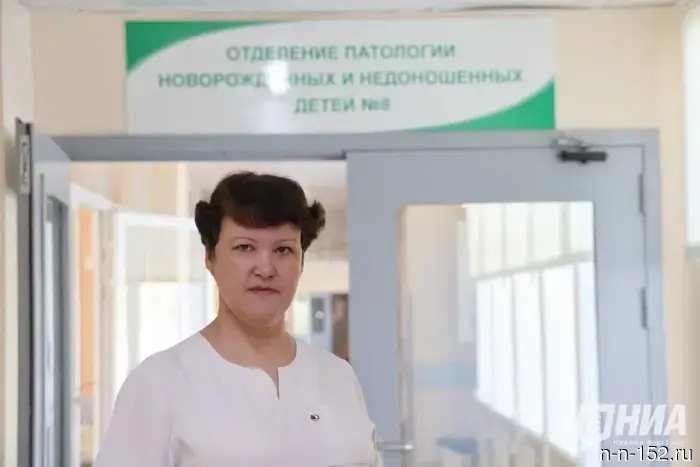
"I have been living in a dream for 25 years": an interview with neonatologist Natalia Krivdina
NIA "Nizhny Novgorod" - Alexandra Turovskaya
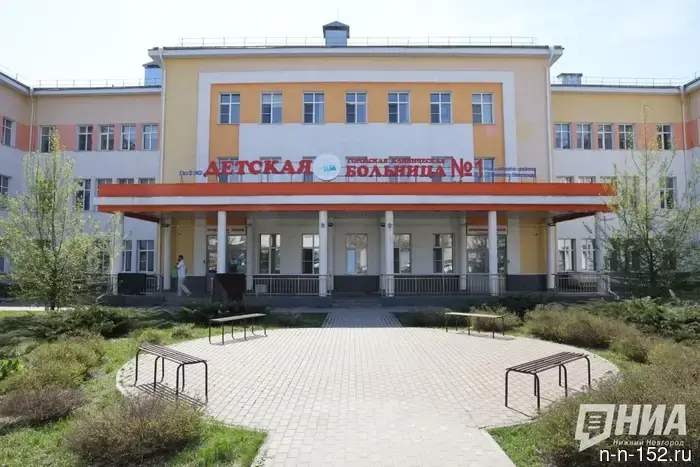
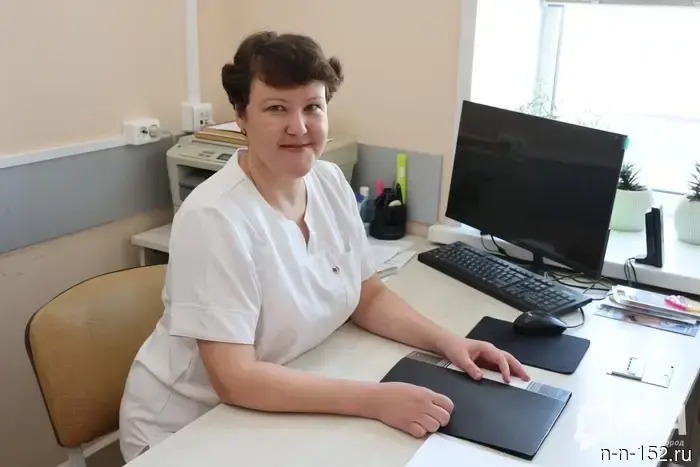
On June 21, Russia celebrates Medical Worker Day. In honor of this date, NIA "Nizhny Novgorod," in collaboration with the regional health ministry, launched a series of publications dedicated to the challenging work of healthcare specialists. This time, our heroine is Natalia Krivdina, head of the newborn pathology department at Children's City Hospital No. 1 in Nizhny Novgorod. The neonatologist has over 25 years of experience.
"You see the result of your labor, and that is happiness."
— Natalia Valeryevna, how did you come to this profession? Was it a childhood dream or a conscious choice?
— I dreamed of becoming a doctor since childhood; I just didn't see any other option. I graduated from medical school and purposefully came to this hospital in 2001. I've been working here ever since. I want to say a big thank you to the people who contributed significantly to my development as a neonatologist. This is Valentina Nikolaevna Grebenshchikova, the first head of the department where I worked, and now the deputy chief physician for medical affairs, Marina Alexandrovna Suslova.
— Why were you attracted to neonatology?
— Neonatology was also my dream; I wanted to save the lives of the smallest and most helpless—newborns. I wanted to nurture them, bring them out of difficult situations, and then see them come to you on their own feet. You see the result of your labor, and that is happiness. It turns out that everything has come true for me, and I have been living this dream for 25 years now.
— What does a neonatologist do?
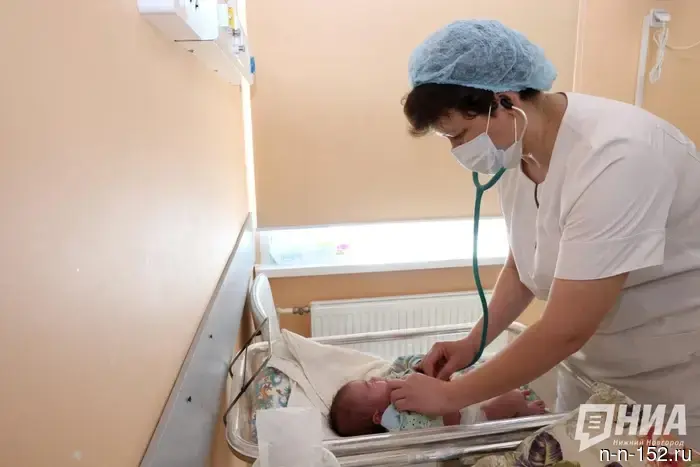
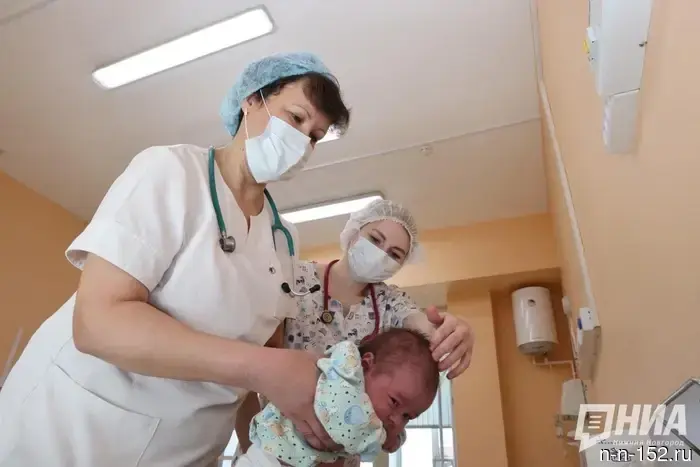
— In the maternity hospital, a neonatologist is the person who meets the child in this world. They help from the moment of birth. For example, if there are minimal deviations. And we, second-stage neonatologists, nurture, treat, and rehabilitate so that the child can have a prosperous life ahead.
"Neonatologists are the diamond scattering of pediatrics."
— How is the work structured with premature children?
— Caring for deeply premature children is a very long process. They stay with us for months. The main thing is that the child rehabilitates and can go home without any deficiencies. Here, joint work with mothers is important. We teach them how to live with such babies because raising them is a big task. It should be a team effort: parents, doctors, nurses. Diseases and genetic pathologies may arise. That’s why our department exists. We also receive help from narrow specialists. We all act for the benefit of the child to minimize the possible consequences of diseases.
— How does being born prematurely affect the child later on?
— First of all, it all depends on the degree of prematurity. Secondly, in any case, much is compensated later, even if the children are deeply premature. We had babies weighing 400-500 grams, some even without deficiencies. Yes, they lag behind in development according to their degree of prematurity, but later, by the age of one to one and a half, they catch up with their peers. And if the period of prematurity is short, 35-36 weeks, then the children are no different.
— Are there many neonatologists in Nizhny Novgorod?
— Neonatologists are a rather rare specialty. As the former head of the department of advanced training for doctors at PIMU, Valentina Andreyevna Vorobyova, said: "Neonatologists are the diamond scattering of pediatrics." There is a shortage of specialists. We cover a short period of time from birth, responsible for the life of a very small human being—this is a great responsibility and physical strain, especially in maternity hospitals when there is a flow of mothers. Not everyone can withstand it.
— How actively is neonatology developing now?
— There has been significant progress in caring for deeply premature children. Previously, children of such gestational age and with such low weight were simply not cared for. Now, yes, we have quite good results in this regard. And regarding neurological deficits, many rehabilitation methods have also emerged, which are being implemented.
"The hardest part is telling the mother."
— What qualities are essential for a neonatologist?
— Without love for children and for your profession. In student years, everything looks more rosy; you don’t understand everything until you enter the specialty. Now everything is more conscious; you know how to talk to parents, you know when to support the mother, when to scold, or when to give some "shake-up." Much comes with experience. For example, a child comes in, and you initially see that there may be a pathology.
— What is the most challenging aspect of your work?
— The hardest part is telling parents about the child's disabling diagnosis. With everything else, if it’s a heavy baby, we will manage: we will diagnose, and then we will go out and treat. But there are cases when you cannot help. That is, the baby survived, but with health consequences. The hardest part is telling the mother. It is even more difficult when you could not save the child. This is a tragedy not only for the parents but also for the doctor.
— And what is the most joyful part?
— When children come who were once heavy patients—premature or with congenital developmental defects. And you look at them later: they grow, run, talk. Then you see that it was not in vain. Fully grown ones, however, do not come back. Closer to the middle of my career, we cared for a girl with liver pathology. I saw her when she was already 12 years old. Younger ones visit more often while everything is still fresh in memory.
— How does your workday go?
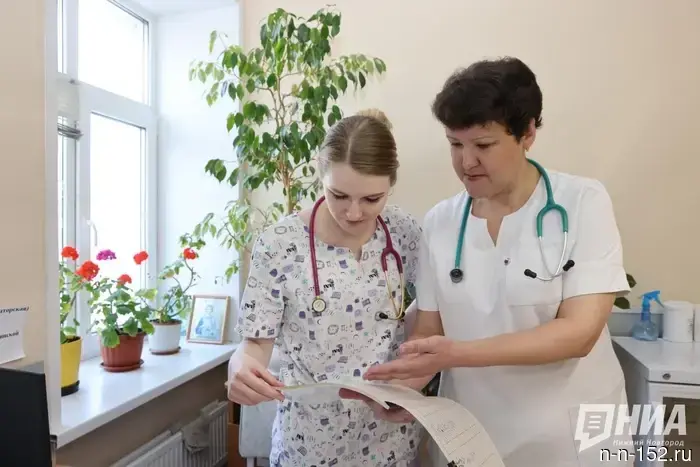
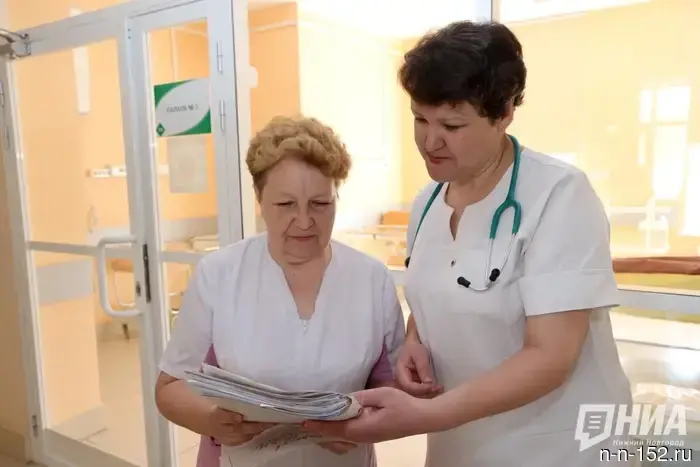
— First, a five-minute meeting: what is the situation in the department, the duty doctor reports what happened overnight. We pass the report to the chief physician, and then it’s time for examining the children, assigning tasks for the nurses, and writing medical histories. Colleagues approach, they may ask for advice or to take a look at one child or another. The workday lasts from 07:30 and (sometimes) until infinity. I can leave at five, six, or seven in the evening, staying as needed.
"A little child won't say what hurts."
— Is it easier or harder to work with newborns than with older children or adults?
— Probably harder, since a little child won’t say what hurts. It’s only the intuition of the mother or medical staff. Our nurses are very knowledgeable. They can see the deterioration in the child's condition, what is happening with them, how they ate, what is wrong. The doctor also sees all this during the examination.
— How drastically does working with premature children differ?
— It is even more challenging, especially with deeply premature ones. This is not just a small person. There can be a multitude of problems: with the lungs, with the nervous system, lack of immunity or iron reserves, osteopenia. They may have fractures from the slightest touch. And it requires prolonged care, rehabilitation, positioning of the child, incubators. This is very hard work.
— What is it like morally to work with such children?
— It becomes easier with experience. You get used to everything, but some moments still remain difficult. We remember all the children with unfavorable outcomes... I remember when I first came, a child arrived in very serious condition. I was in shock; I needed to help him quickly, to do something. Why is he like this? Now, of course, I understand why and what is happening, how to help.
— And what is it like to work with abandoned children?
— You feel sorry for them, of course. Doctors and nurses take care of them. They may even spoil them. Sometimes they spend too much time holding them. Later, as they grow up, they don’t want to lie in the crib. Such children are now rare; there used to be many more. But if we have them, we spoil them. There are also children whose mothers are in pre-trial detention. But there are even fewer of them—maybe four a year. After a month here, they go back to their mothers.
— What ailments do newborns come to your department with?
— We have children with jaundice, nervous system damage. Babies who suffered asphyxia at birth, meaning they experienced oxygen deprivation. Also, with developmental defects of various localizations—heart, kidneys, intestines. Additionally, we receive children from intensive care when they are taken off the ventilator. In general, diagnoses that are usually determined in children aged four to five years are sometimes made by our doctors during the newborn period. This means that the child starts treatment earlier, and later they will not have a disabling disease.
"Our surgeons and resuscitators deserve a monument while alive."
— You became the head of the department in 2019. The next year, the coronavirus pandemic hit. How was the work structured, and did anything from that time stick?
— The wearing of masks and quarantine measures remained. Also, if before the pandemic some mothers who could not stay with their children 24/7 went home in the evening, during the pandemic, no one could leave the hospital. At that time, the sanitary and epidemiological regime was greatly intensified. And this has stayed with us until now.
— How many children are usually in the department at the same time, and how long do they stay here?
— Up to 30 children. On average, they spend seven or eight days here. This is based
Другие Новости Нижнего (Н-Н-152)
 Nizhny Novgorod residents appreciated the remote work format.
News of Nizhny Novgorod
Nizhny Novgorod residents appreciated the remote work format.
News of Nizhny Novgorod
 A 21-year-old driver died in a car accident involving a "rollover" in the Nizhny Novgorod region.
News of Nizhny Novgorod
A 21-year-old driver died in a car accident involving a "rollover" in the Nizhny Novgorod region.
News of Nizhny Novgorod
 Nizhny Novgorod tram No. 27 will change its route until mid-summer.
News of Nizhny Novgorod
Nizhny Novgorod tram No. 27 will change its route until mid-summer.
News of Nizhny Novgorod
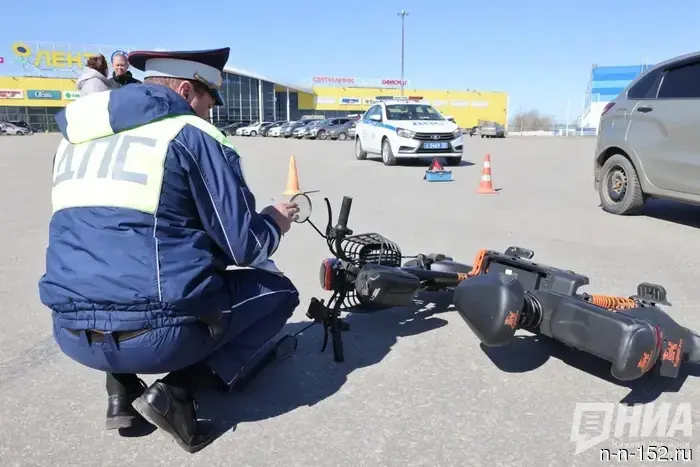 A teenager on a pit bike hit a 14-year-old girl in Gorbatov.
News of Nizhny Novgorod
A teenager on a pit bike hit a 14-year-old girl in Gorbatov.
News of Nizhny Novgorod
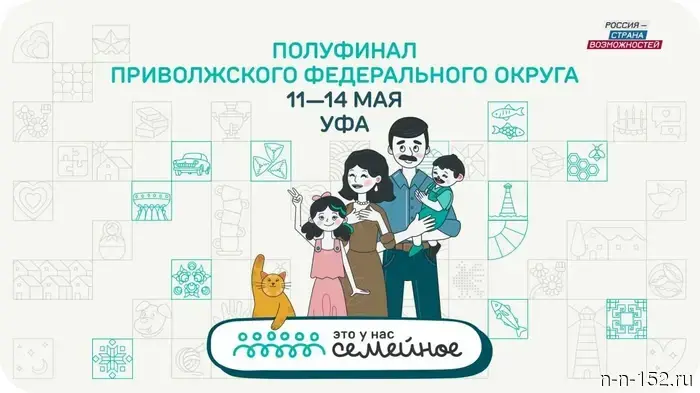 The semifinals of the "It's a Family Thing" contest will take place from May 11 to 14 for families from the Volga Federal District.
News of Nizhny Novgorod
The semifinals of the "It's a Family Thing" contest will take place from May 11 to 14 for families from the Volga Federal District.
News of Nizhny Novgorod
 "A blow for the whole team": the head coach of "Pari NN" on the defeat to CSKA
News of Nizhny Novgorod
"A blow for the whole team": the head coach of "Pari NN" on the defeat to CSKA
News of Nizhny Novgorod
"I have been living in a dream for 25 years": an interview with neonatologist Natalia Krivdina
News of Nizhny Novgorod