
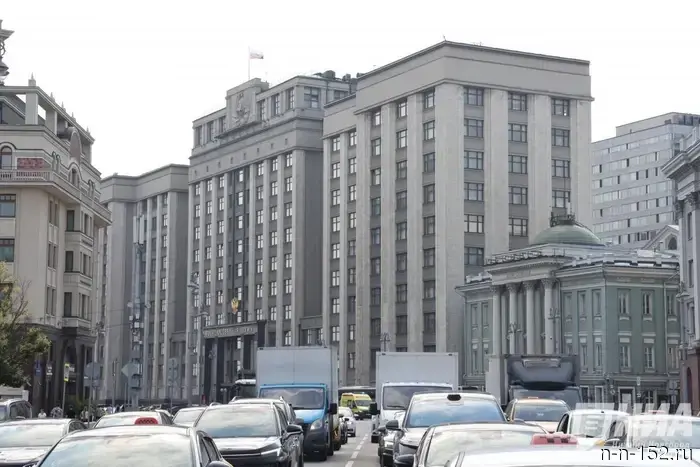
Vyacheslav Volodin reminded about the origins and role of parliamentarism in Russia.
On April 25, 2026, at 13:33, Politics The Chairman of the State Duma Vyacheslav Volodin published an article on the development of parliamentarism in Russia, tracing its path from the early 20th century to the present day. He reminded that the First State Duma of the Russian Empire began its work on April 27, 1906. From this date, the history of the elected representative body is counted, which, according to Volodin, has played and continues to play an important role in the life of the country. At the same time, the traditions of popular representation in Russia arose much earlier. Even in Ancient Rus, the most important issues were resolved through veche and zemsky sobors, where public order was discussed and common solutions were sought. The creation of the State Duma was a response to the public demand for change during the events of 1905. The First Duma worked for 72 days and was dissolved by Nicholas II, entering history as the "Duma of popular anger." The Second Duma lasted just over a hundred days, adopted about 20 laws, but was in a tough confrontation with the government. The reason for its dissolution was the accusation of 55 deputies of conspiracy against the royal family. This experience, as noted in the article, demonstrated the necessity of a parliament, but also the importance of its constructive work. Special attention is given to Pyotr Stolypin, who headed the Council of Ministers on the day of the dissolution of the First Duma. Despite his tough stance towards revolutionary protests, he opposed the abolition of popular representation and insisted on the preservation of the Duma. The Third Duma, elected under new rules, was the first to serve a full five-year term. It held more than 600 meetings, approved 2346 bills, of which 2197 became laws. During this period, agrarian reform was implemented, laws on workers' insurance were adopted, and the budget was systematically considered. The Fourth Duma became the last in the history of the empire and was dissolved in 1917. During the Soviet period, the system was built on the dominance of one party. At the same time, the Soviets contributed to the development of legislation, and many citizens gained experience in deputy work. The first Constitution of the RSFSR of 1918 enshrined the right of women to vote and be elected. Russia became one of the first major European countries to grant women voting rights. In 1993, a Constitution was adopted that stabilized the situation and laid the foundations of a new legal system. Along with it, the State Duma of modern Russian history emerged. Over 33 years, eight convocations adopted more than 12,000 federal laws, including key codes. In the early 2000s, the formation of the modern political system began. The Law "On Political Parties" of 2001 laid the foundations for the current party structure. The creation of a stable parliamentary majority allowed for increased accountability for decisions made. Since 2016, a model for distributing leadership positions has been applied, whereby half of the posts are transferred to the opposition. The Duma has five factions, four of which are opposition. More than 70% of bills are adopted with the support of all factions. Since 2022, 164 laws have been adopted in support of participants in the special military operation and their families. Amendments to the Constitution in 2020 expanded the parliament's participation in government formation and strengthened its oversight functions. According to Volodin, the accountability of the legislative and executive branches to society has increased, as has the number of inter-faction initiatives and laws of direct action. Today, in the context of external pressure and sanctions, Volodin notes, the parliament has consolidated around the tasks of protecting sovereignty and the interests of citizens. "The deputies of the State Duma, political factions did not fall into empty talk, meaningless squabbles, and conflicts, as has often been the case, but united around the president, around solving the tasks of protecting the country and the interests of its citizens," he noted. It was previously reported that elections for deputies of the State Duma of the Russian Federation are scheduled for September 20, 2026. NIA "Nizhny Novgorod" has a Telegram channel. Subscribe to stay informed about the main events, exclusive materials, and operational information. Copyright © 1999—2025 NIA "Nizhny Novgorod". When reprinting, a hyperlink to NIA "Nizhny Novgorod" is mandatory. This resource may contain materials 18+.
Другие Новости Нижнего (Н-Н-152)
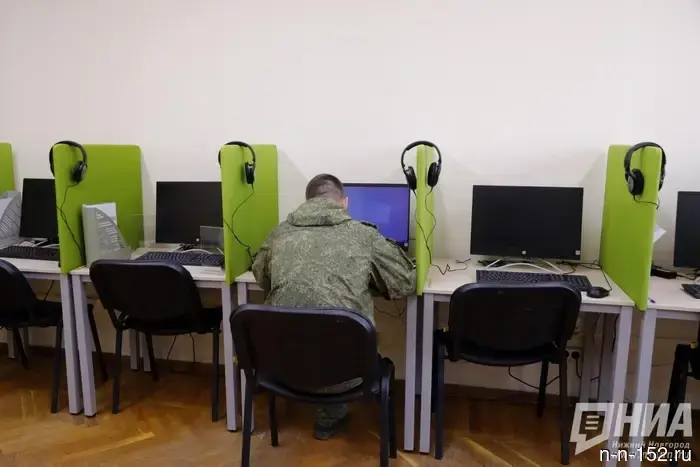 Another Nizhny Novgorod resident returned from Ukrainian captivity on April 24.
News of Nizhny Novgorod
Another Nizhny Novgorod resident returned from Ukrainian captivity on April 24.
News of Nizhny Novgorod
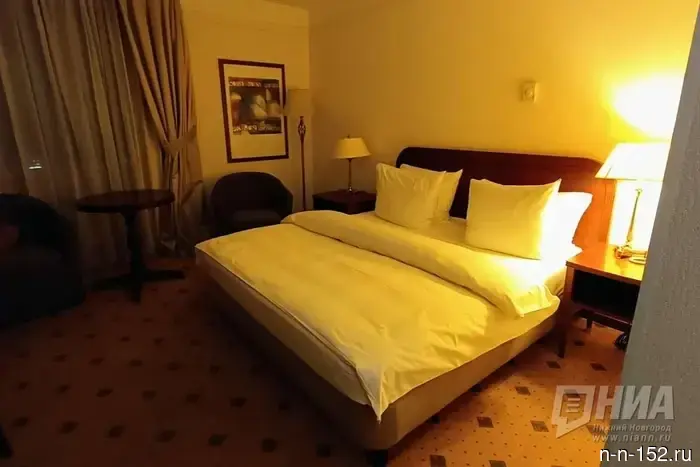 Two hotels will be built in Nizhny Novgorod for 1.4 billion rubles.
News of Nizhny Novgorod
Two hotels will be built in Nizhny Novgorod for 1.4 billion rubles.
News of Nizhny Novgorod
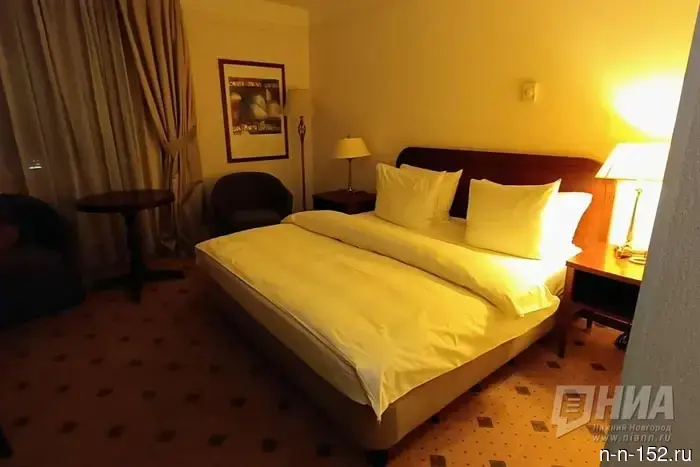 Two hotels worth 1.4 billion rubles will be built in Nizhny Novgorod.
News of Nizhny Novgorod
"Forest under protection"
Fire and tactical exercises for extinguishing forest fires were held in the Mikhailovsky forestry. 04/25/2026. Ministry of Emergency Situations of the Nizhny Novgorod Region. Nizhny Novgorod Region. Nizhny Novgorod.
Two hotels worth 1.4 billion rubles will be built in Nizhny Novgorod.
News of Nizhny Novgorod
"Forest under protection"
Fire and tactical exercises for extinguishing forest fires were held in the Mikhailovsky forestry. 04/25/2026. Ministry of Emergency Situations of the Nizhny Novgorod Region. Nizhny Novgorod Region. Nizhny Novgorod.
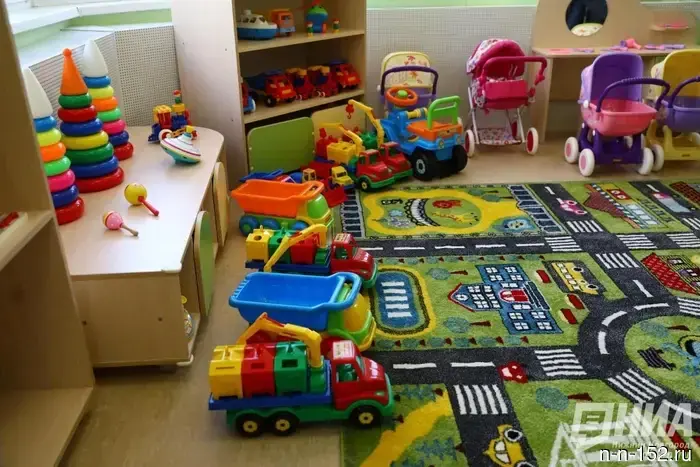 The expertise approved the design of a kindergarten for 150 places on Kazan Highway.
News of Nizhny Novgorod
The expertise approved the design of a kindergarten for 150 places on Kazan Highway.
News of Nizhny Novgorod
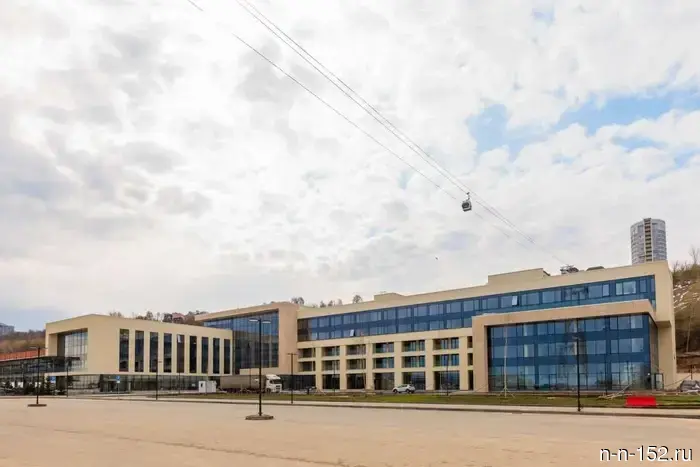 The construction of the first phase of the eco-park on the Rowing Canal has been completed.
News of Nizhny Novgorod
The construction of the first phase of the eco-park on the Rowing Canal has been completed.
News of Nizhny Novgorod
Vyacheslav Volodin reminded about the origins and role of parliamentarism in Russia.
News of Nizhny Novgorod