
Tick-borne infections
Recommendations for the prevention of tick-borne infections
WHAT IS THE DANGER
When bitten by a tick, a person can become infected with various diseases. The most dangerous among them are tick-borne encephalitis, borreliosis (Lyme disease), and tularemia. These diseases can lead to severe irreversible consequences – paralysis, brain function disorders, joint and internal organ damage, infectious-toxic shock, and even death. Ticks inhabit grass and low bushes. Their active period begins in late March and ends in October.
HOW TO PROTECT YOURSELF
1. Get vaccinated (against tick-borne encephalitis, tularemia).
2. Wear light-colored, solid clothing that covers arms and legs as much as possible when walking in the forest or park. Use a hat or hood, as well as shoes that completely cover the feet.
3. Use tick-repellent products (repellents).
4. Avoid contact with grass and bushes, walk on wide paths.
5. Check your clothing every 20–30 minutes while walking. After returning home, thoroughly check your entire body, including the hairy part of your head and natural folds (groin, armpits, navel, behind the ears).
6. Prevent excessive overgrowth of grass on your summer cottage. Conduct acaricide treatment of the area.
WHAT TO DO IN CASE OF A TICK BITE
1. Try to remove the tick as quickly as possible – either by yourself or by contacting the nearest medical institution. The sooner the tick is removed, the lower the risk of infection.
2. When removing the tick yourself, try not to damage it: grasp it with tweezers or a loop closer to the head and gently pull upwards. After that, treat the bite area with any antiseptic (alcohol, iodine, disinfectant gel). Place the tick in a tightly sealed container with a cotton ball moistened with water (to prevent the tick from drying out). Then, contact a medical institution and deliver the tick for testing for various infections. This will allow for timely emergency prevention of infection.
3. If pathogens are found in the ticks, consult a doctor to receive appropriate preventive therapy. This will help prevent the development of the disease.
4. If analysis cannot be done or pathogens are not detected, be very attentive to your health for a month after the tick bite. If there are changes in well-being (fever, redness at the bite site, etc.), consult a doctor, informing them of the tick bite. This will allow for proper treatment to begin and reduce the risks of dangerous complications.
Другие Новости Нижнего (Н-Н-152)
 Nizhny Novgorod trolleybuses No. 10 have returned to their usual route.
News of Nizhny Novgorod
The GUAD has begun instrumental diagnostics of the warranty sections of roads repaired in the region under the national project "Infrastructure for Life."
Specialists from the Main Department of Highways of the Nizhny Novgorod Region began the annual spring inspection of road sections on April 6, 2026. Ministry of Transport and Highways. Nizhny Novgorod Region. Nizhny Novgorod.
165 years of the "Russian Coco Chanel"
Employees of the local history museum, as part of the celebration of the 165th anniversary of Nadezhda Petrovna Lamanova, continue a series of informative essays about the life path of the couturier. 06.04.2026. Urban district of the city of Pervomaisk. Nizhny Novgorod region. Pervomaisk.
Nizhny Novgorod trolleybuses No. 10 have returned to their usual route.
News of Nizhny Novgorod
The GUAD has begun instrumental diagnostics of the warranty sections of roads repaired in the region under the national project "Infrastructure for Life."
Specialists from the Main Department of Highways of the Nizhny Novgorod Region began the annual spring inspection of road sections on April 6, 2026. Ministry of Transport and Highways. Nizhny Novgorod Region. Nizhny Novgorod.
165 years of the "Russian Coco Chanel"
Employees of the local history museum, as part of the celebration of the 165th anniversary of Nadezhda Petrovna Lamanova, continue a series of informative essays about the life path of the couturier. 06.04.2026. Urban district of the city of Pervomaisk. Nizhny Novgorod region. Pervomaisk.
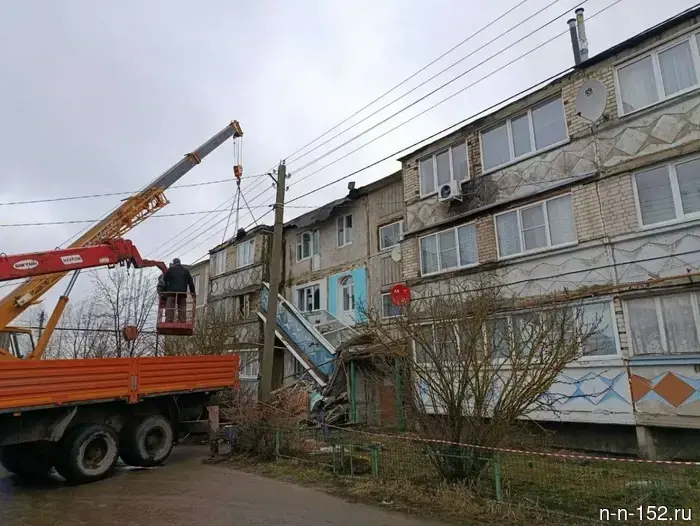 Three loggias collapsed in Lukoyanov due to illegal remodeling.
News of Nizhny Novgorod
Three loggias collapsed in Lukoyanov due to illegal remodeling.
News of Nizhny Novgorod
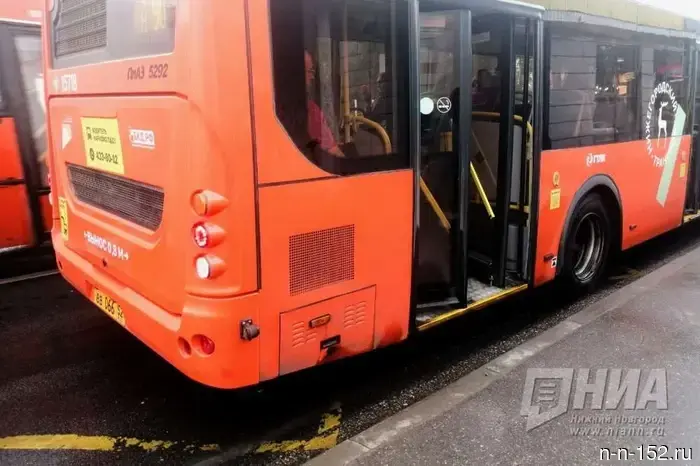 Bus route No. 401 "Dzerzhinsk - Nizhny Novgorod" will change from April 13.
News of Nizhny Novgorod
Bus route No. 401 "Dzerzhinsk - Nizhny Novgorod" will change from April 13.
News of Nizhny Novgorod
 In the schools of the region, melodies for Cosmonautics Day are heard in April.
In the schools of the Nizhny Novgorod region, melodies dedicated to Cosmonautics Day are played in April instead of traditional bells. 06.04.2026. NTA-Volga. Nizhny Novgorod region. Nizhny Novgorod.
In the schools of the region, melodies for Cosmonautics Day are heard in April.
In the schools of the Nizhny Novgorod region, melodies dedicated to Cosmonautics Day are played in April instead of traditional bells. 06.04.2026. NTA-Volga. Nizhny Novgorod region. Nizhny Novgorod.
Tick-borne infections
Recommendations for the prevention of tick-borne infections WHAT IS THE DANGER When bitten by a tick, a person can become infected with various infections. 04.06.2026. Gorodets Municipal District. Nizhny Novgorod Region. Gorodets.