
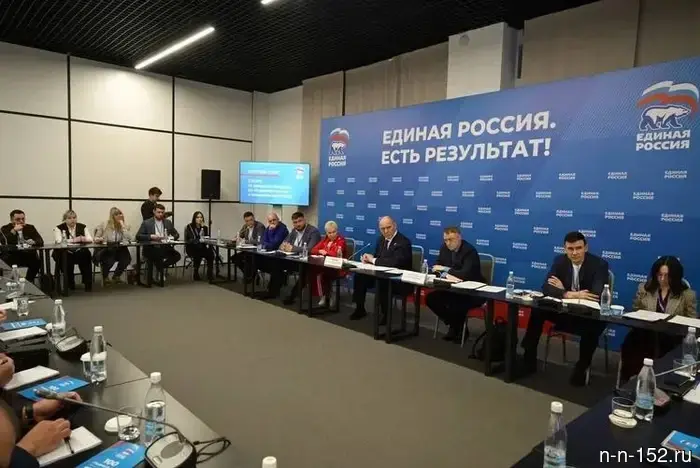
Measures to support mass and student sports were discussed in Nizhny Novgorod.
March 25, 2026 20:05 SportNIA "Nizhny Novgorod" - Polina Zubova On March 25, the regional forum of the "United Russia" party titled "There is a Result!" took place at the Nizhny Novgorod Fair. One of the central platforms was a round table discussion titled "Sports: from backyard teams to student leagues and Olympic victories," where experts, government representatives, and athletes discussed the development of mass and student sports.
The focus was on issues of infrastructure accessibility, engaging Russians in regular training, and building a continuous sports trajectory—from childhood to professional level.
Sergey Kryukov, Chairman of the Russian Student Sports Union, emphasized that the development of sports is directly linked to the quality of life and the sustainability of society.
"Russia truly needs special attention to the development of sports and the health of its residents. Because this is our foundation—the guarantee of a strong economy, medicine, and overall quality of life," he noted.
According to him, today’s key task is to form a sustainable habit of engaging in physical culture among people of all ages and to achieve a target of 70% of the population regularly participating in sports.
Kryukov also pointed out changes in approaches to infrastructure development. Compact physical fitness and wellness complexes, swimming pools, and sports grounds are actively being built across the country, including in small towns and rural areas.
"Sports should start in one’s own yard—regardless of whether a person lives in a metropolis or in the countryside," he emphasized.
A significant part of the discussion was dedicated to student sports as an important stage in the socialization of youth. Participants noted that it is during student years that values, habits, and life orientations are formed.
At the same time, alarming statistics were presented: while over 2 million people are involved in the sports training system from ages 5 to 17, only about 5% remain in sports by the ages of 18 to 22. This indicates a gap between childhood and student stages.
During the discussion, it was noted that often when entering university, a person faces the choice of continuing professional sports or focusing on studies. As a result, many athletes, when they finish their careers, have neither education nor further opportunities for self-realization.
In this regard, a set of support measures for student-athletes was proposed. Among them are flexible study schedules, the possibility of taking exams considering the competitive period, individual educational trajectories, and expanded access to university sports infrastructure.
Nadezhda Erastova, President of the All-Russian Federation of Dance Sports, Breaking, and Acrobatic Rock and Roll, emphasized the importance of early career guidance in sports and the significance of a scientific approach.
She spoke about the "Become a Champion" program, which allows for determining a child's predisposition to specific sports based on comprehensive testing.
"There are no unsuccessful children. There are just sports they haven't found yet. And the task of such programs is to help them with this," Erastova emphasized.
According to her, more than 240 testing centers have already been established in the country, through which about 70,000 children have passed. She also noted the need to build a unified system—from kindergarten to sports school—to avoid losing talented kids at transitional stages.
Olympic champion in rowing Sergey Fedorovtsev pointed out the insufficient promotion of physical culture and low public engagement.
"Many still do not understand that sports is a much deeper and more multifaceted phenomenon. For some, it is just a trip to the stadium, not a systematic approach to health," he noted.
Fedorovtsev emphasized the important role of family in forming a habit of engaging in sports and proposed enhancing educational programs for parents.
He also advocated for expanding incentive measures, including tax deductions and taking sports achievements into account when applying to universities.
Participants separately discussed the development of the GTO complex. World powerlifting champion Dmitry Ivanov suggested making the system more motivating.
"The GTO complex should not just be a formal passing of standards. We propose to build a 'GTO Privilege' system, where badges will be converted into real bonuses—such as participation in events or tickets to matches," he said.
As a result of the round table, a number of initiatives were formed, which are planned to be included in the updated People's Program of the party. It is expected that their implementation will strengthen the system of mass and student sports, as well as increase citizens' involvement in a healthy lifestyle.
Earlier, it was reported that the forum also discussed initiatives to support youth. NIA "Nizhny Novgorod" has a Telegram channel. Subscribe to stay updated on major events, exclusive materials, and timely information. Copyright © 1999—2025 NIA "Nizhny Novgorod". When reprinting, a hyperlink to NIA "Nizhny Novgorod" is required. This resource may contain materials 18+
Другие Новости Нижнего (Н-Н-152)
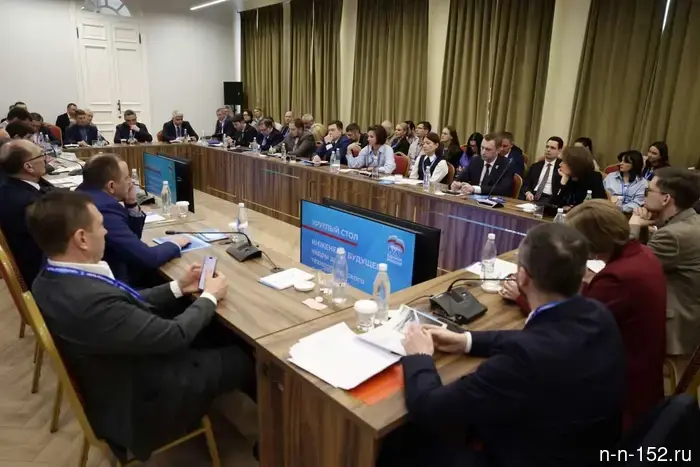 The Third District Party Reporting and Program Forum "There is a Result!" took place in Nizhny Novgorod.
News of Nizhny Novgorod
The Third District Party Reporting and Program Forum "There is a Result!" took place in Nizhny Novgorod.
News of Nizhny Novgorod
 The festival "Women's Heart of Russia" gathered 160 mothers and wives of soldiers from the Special Military Operation in Ufa.
News of Nizhny Novgorod
The festival "Women's Heart of Russia" gathered 160 mothers and wives of soldiers from the Special Military Operation in Ufa.
News of Nizhny Novgorod
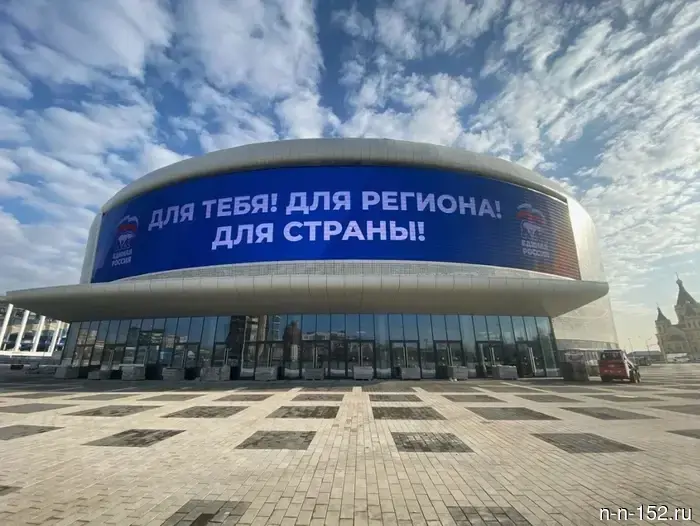 What the new Ice Arena at Strelka looks like inside — photos
News of Nizhny Novgorod
What the new Ice Arena at Strelka looks like inside — photos
News of Nizhny Novgorod
 Scientists assessed the risk of cancer for residents of Nizhny Novgorod due to polluted air.
News of Nizhny Novgorod
Scientists assessed the risk of cancer for residents of Nizhny Novgorod due to polluted air.
News of Nizhny Novgorod
 Poachers were caught illegally fishing for sturgeon in the Nizhny Novgorod region.
News of Nizhny Novgorod
Poachers were caught illegally fishing for sturgeon in the Nizhny Novgorod region.
News of Nizhny Novgorod
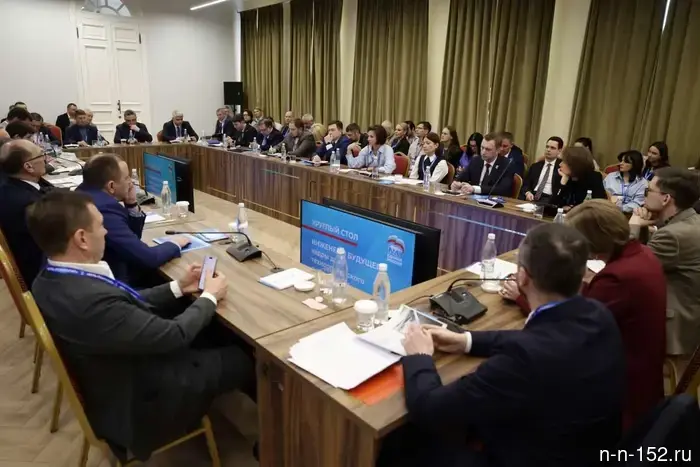 The Third District Party Reporting and Program Forum "There is a Result!" took place in Nizhny Novgorod.
News of Nizhny Novgorod
The Third District Party Reporting and Program Forum "There is a Result!" took place in Nizhny Novgorod.
News of Nizhny Novgorod
Measures to support mass and student sports were discussed in Nizhny Novgorod.
News of Nizhny Novgorod