

Katerina Bolshakova: "The first hours after a person goes missing are the most important"
With the arrival of autumn in the Nizhny Novgorod region, the number of reports of missing people in the natural environment traditionally increases. Most often mushroom pickers and elderly people who go into the forest without a phone get lost. What happens in the first hours after a person disappears? Why is the "three-day rule" a myth? Who comes to a search-and-rescue team that receives no funding but saves lives, and why? NIA "Nizhny Novgorod" correspondent spoke about this and much more with Katerina Bolshakova, press secretary of the Nizhny Novgorod PSO "Volunteer".
— Katerina, how much more work do volunteer searchers have in the autumn?
— Compared to the winter period, there is a noticeable increase in search requests. This is because people go into the forest for berries and mushrooms. Compared to the previous year, there were 92 fewer requests in August 2025, and that is thanks to the "Strelki" project (a public project to improve the safety of people in the natural environment — ed. note).
— Who most often gets lost in the forest? And what is their main mistake?
— Of course, elderly people most often get lost in the forest. The main mistake of those who get lost is losing their bearings. People often go into the forest without a phone and cannot call for help when necessary. With a phone, you can get out of the forest without requiring rescuers to be dispatched.
— What should a person do if they realize they are lost? And what should they absolutely not do?
— If a person realizes they are lost in the forest, the main thing is not to panic and to stop. You should carefully look around, listen for sounds (dog barking, traffic), try to find landmarks: roads, rivers, power lines, and contact rescuers by calling 112 if possible.
If you are lost in the forest, you must not panic, run chaotically, or keep changing direction. It is better to stay in place, give audible and visible signals, and wait for help.
— What determines how many volunteers go out on a particular search?
— As a rule, it depends on the search area, volunteers' free time, and the number of people driving to the scene. We have many volunteers who go on foot, and even if they want to help, they cannot always get to the meeting point.
— Many people think volunteers work "out of enthusiasm." How is the financial side of searches actually handled?
— We have no government funding. Sometimes we manage to win grants, which are spent on specific equipment and gear. Everything else — clothing, equipment, food, fuel — volunteers buy at their own expense.
— Who usually joins your team?
— Anyone aged 18 or over can join the team. The main things are willingness and free time. The team includes people of various professions.
— How do you train new volunteers? What should a person be able to do to go into the forest for the first time?
— In fact, no special training is required. It's enough to go out on a search. You will be sent on a task with an experienced volunteer. Later you can undergo training in navigation, compass use, and radio communications.
— How is interaction with the police and the Ministry of Emergency Situations arranged? Are there difficulties or, on the contrary, full mutual understanding?
— Many years ago agreements were signed with all the main directorates: the Ministry of Internal Affairs (MVD), the Investigative Committee, and the Unified Duty Dispatch Service (EDDS). But it's important to understand that people in these services often change, and everything depends on the situation on the ground. Quite often there are officers who arrive at a search already in a car, or some local leader who understands that they lack resources, manpower, and everything else, and treats us with great respect and sympathy. But due to various circumstances, sometimes information doesn't get through, arrives distorted, and misunderstandings arise, so it is simply necessary to continually improve interaction. And to maintain it constantly!
— Why are the first hours after a disappearance so important? Have you ever had the feeling that if you had been a little later, it would have been too late?
— The first hours after a person goes missing are the most important because the chances of finding them alive are at their highest during this period — up to 95% in the first day. The longer the start of the search is delayed, the further the person may move and the worse the situation can become. It is important immediately, after suspecting a disappearance, to mobilize all forces: inspect the last known place, question neighbors and acquaintances, contact emergency services, and report the disappearance to the police without waiting for the "three days." The three-day rule does not exist — the search starts immediately. Fast and coordinated actions significantly increase the likelihood of a successful search and saving the missing person's life. The feeling that "if only a little more time had passed, it would have been too late" occurs in searches for children under five, particularly if the child has special needs.
— Which factors (time of year, location, age of the missing person) most affect the success of searches?
— Autumn and winter complicate searches due to cold, shorter daylight hours, and difficult weather conditions. Terrain with inaccessible relief, forests, swamps, and northern regions require more time and resources, which reduces the chances of finding a person quickly. Age is also important: children and elderly people with impaired orientation get lost more often, and searching for them is more difficult due to their psychological and physical condition. The availability of modern technologies (drones with thermal imagers, GPS devices) is a very important resource. And, of course, the human factor. Unfortunately, people are always in short supply.
— How often do you have to search for people who left home voluntarily and did not want to be found?
— There are such cases. Mostly it's teenagers. They can change routes, plan an escape, change their appearance and clothing, but teenagers are among the most at risk.
— Have there been cases when a person reappeared years later? How does the team cope with such stories?
— Yes, cases where a person reappeared years after their disappearance do occur. But volunteers try not to take on the emotional or psychological state of relatives and the search stories, because we have families and jobs that require our presence.
— How is a search strategy built? Where do you start when a report comes in?
— The search begins with verifying the incoming report and collecting as much detailed information as possible about the missing person: appearance, clothing, health conditions, last known locations, and possible routes. At the same time, public notification is launched through the media and social networks to broaden the search area.
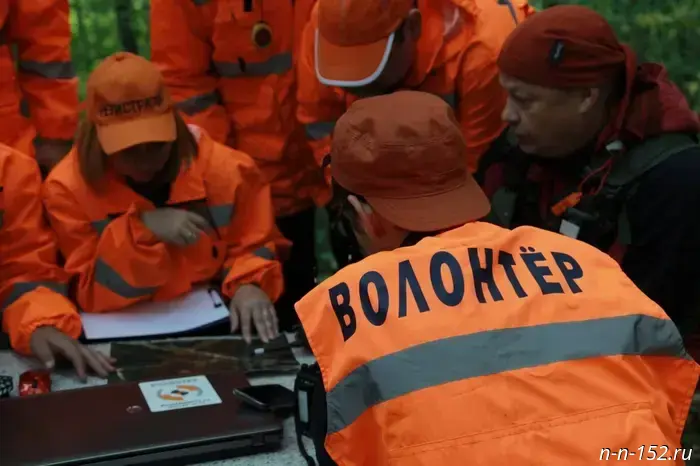
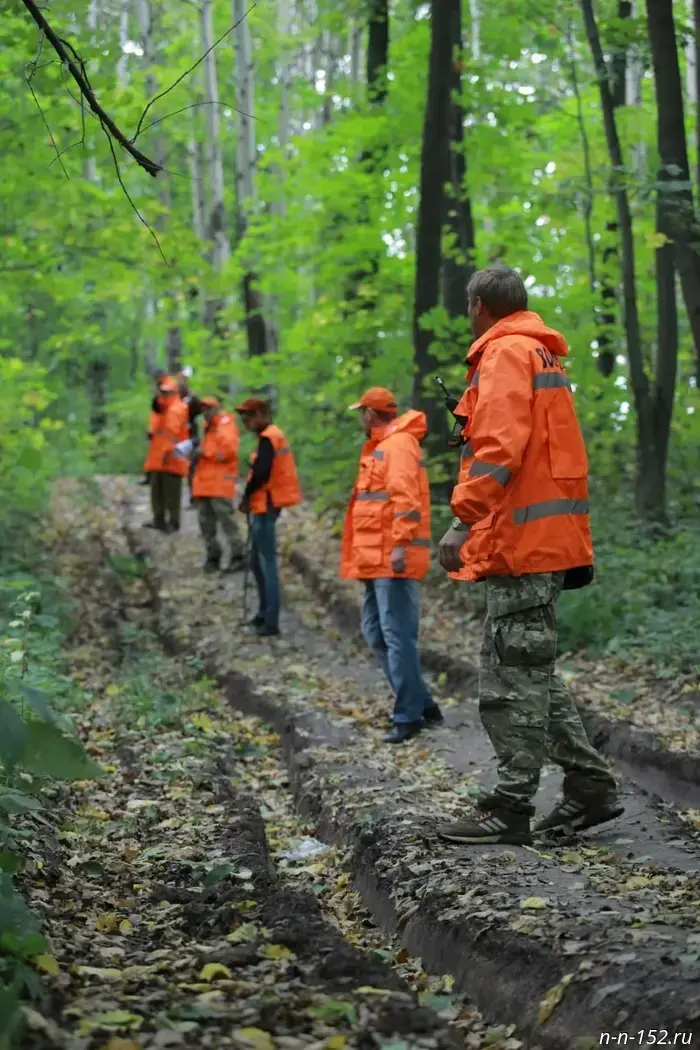
On site, a headquarters is organized where arriving volunteers are registered and search zones are assigned. Groups are formed with clear tasks. Depending on the situation, canine units, drones, and equipment are involved. The search is conducted with constant updates and adjustments as new information comes in.
— If you had the opportunity to address all residents of the region, what would you say, what would you ask of them?
— I would ask people to be attentive to one another and not to leave loved ones unattended, especially children, the elderly, and people with special needs. It is very important to report any worrisome situations in a timely manner and not assume someone else will start the search. Please do not be afraid to contact search-and-rescue teams and emergency services immediately when you suspect someone is missing, because every minute plays a role in saving a life.
I would also urge everyone to be responsible and follow safety rules in the forest, outdoors, and in the city to minimize cases of disappearances. Each of us can help — whether by giving testimony, sharing information, or participating in searches. Together we can make our region safer and save many lives!
Author of the text: Sofya Sheshina
NIA "Nizhny Novgorod" has a Telegram channel. Subscribe to stay informed about the main events, exclusive materials, and operational information.
Copyright © 1999—2025 NIA "Nizhny Novgorod". When reprinting, a hyperlink to NIA "Nizhny Novgorod" is required. This resource may contain adult (18+) material.
Другие Новости Нижнего (Н-Н-152)
 Nizhny Novgorod residents were told how to join a search-and-rescue team.
Nizhny Novgorod News
Nizhny Novgorod residents were told how to join a search-and-rescue team.
Nizhny Novgorod News
 Tick-borne encephalitis was found in seven Nizhny Novgorod residents.
Ticks continue to attack residents of the Nizhny Novgorod Region. Seven cases of tick-borne viral encephalitis have been registered in the region as of September 11, 2025. September 15, 2025. Nizhny Now News Agency. Nizhny Novgorod Region. Nizhny Novgorod.
Tick-borne encephalitis was found in seven Nizhny Novgorod residents.
Ticks continue to attack residents of the Nizhny Novgorod Region. Seven cases of tick-borne viral encephalitis have been registered in the region as of September 11, 2025. September 15, 2025. Nizhny Now News Agency. Nizhny Novgorod Region. Nizhny Novgorod.
 Nizhny Novgorod residents were warned about a new scam involving "school psychologists".
Nizhny Novgorod News
Nizhny Novgorod residents were warned about a new scam involving "school psychologists".
Nizhny Novgorod News
 Residents of Nizhny Novgorod no longer fear catching the coronavirus.
Most perceive the disease as part of seasonal risks rather than as a unique threat. 15.09.2025. Vremya N. Nizhny Novgorod Region. Nizhny Novgorod.
The Nizhny Novgorod Personnel Center employed more than seven thousand teenagers last summer.
The Nizhny Novgorod Staffing Center “Work of Russia” summed up the results of the summer campaign for the temporary employment of minors. September 15, 2025. Vadsky Municipal District. Nizhny Novgorod Region. Vad.
Residents of Nizhny Novgorod no longer fear catching the coronavirus.
Most perceive the disease as part of seasonal risks rather than as a unique threat. 15.09.2025. Vremya N. Nizhny Novgorod Region. Nizhny Novgorod.
The Nizhny Novgorod Personnel Center employed more than seven thousand teenagers last summer.
The Nizhny Novgorod Staffing Center “Work of Russia” summed up the results of the summer campaign for the temporary employment of minors. September 15, 2025. Vadsky Municipal District. Nizhny Novgorod Region. Vad.
 Family disputes: professional legal assistance as a guarantee of rights protection
Nizhny Novgorod News
Family disputes: professional legal assistance as a guarantee of rights protection
Nizhny Novgorod News
Katerina Bolshakova: "The first hours after a person goes missing are the most important"
Nizhny Novgorod News