
How to prevent a heart attack? A doctor answers.
Cardiovascular diseases are one of the leading causes of death worldwide. Unfortunately, they often develop unnoticed, and a person may be unaware of the problem for years. As a result, the disease is discovered only when the blood vessels are severely damaged. The consequences of a heart attack, stroke, or sudden spike in blood pressure can be very serious and life-threatening. But there is good news. It turns out that 80% of premature deaths from heart diseases can be prevented. How can this be done? We discussed this with Natalia Savitskaya, the chief physician of the Nizhny Novgorod Regional Center for Public Health and Medical Prevention.
Leaving a Legacy
– What threatens the heart first and foremost? What should the residents of Nizhny Novgorod know? – Risk factors for cardiovascular diseases are generally divided into two large groups. The so-called non-modifiable factors are those that a person cannot influence: age, gender, heredity. With age, the risk of cardiovascular pathologies naturally increases. Men, on average, face them earlier than women. The presence of cardiovascular diseases in close relatives may indicate a genetic predisposition.
However, the lion's share of the risk comes from modifiable factors, which are those that can be corrected. These include: smoking, unhealthy diet, physical inactivity, excess weight and obesity, chronic stress and insufficient sleep, hypertension, and diabetes.
It is precisely these factors that should be the focus of preventive efforts.
– So, to keep the heart healthy, one needs to lead a healthy lifestyle and become a full-fledged advocate of a healthy lifestyle?
– A healthy lifestyle is not an abstract slogan, but a specific set of habits that genuinely reduce the risk of cardiovascular diseases.
First, physical activity. Regular exercise strengthens the heart muscle, improves blood circulation, helps control weight and blood pressure. Just 150 minutes of moderate aerobic activity per week (for example, brisk walking, swimming, cycling) or 75 minutes of intense exercise is sufficient.
Second, proper nutrition. A diet rich in vegetables, fruits, whole grains, fish, and lean sources of protein lowers "bad" cholesterol levels and supports vascular health. It is important to limit the intake of salt, sugar, and saturated fats.
Third, giving up harmful habits. Smoking is one of the most powerful risk factors: it damages blood vessels and increases the likelihood of heart attacks and strokes. Alcohol should also be consumed in moderation or completely excluded.
Fourth, weight control. Excess body weight, especially visceral fat (in the abdominal area), is directly related to the development of hypertension, diabetes, and dyslipidemia. Even a weight loss of 5–10% can significantly improve health indicators.
And finally, stress management and quality sleep. Chronic stress and lack of sleep provoke the release of hormones that raise blood pressure and blood sugar levels. Relaxation techniques, meditation, and adhering to a sleep schedule (7–9 hours a day) help reduce the burden on the cardiovascular system.
Therapeutic Effect
– What about medical examinations? Should one see a doctor only when unpleasant symptoms appear? Or is it better to do this regularly?
– Of course, in addition to personal efforts, regular medical activities play an important role. They allow for the identification of risks at an early stage and timely measures to be taken.
These are regular examinations and health screenings, which are a basic tool for prevention. During screenings, doctors measure blood pressure, determine cholesterol and glucose levels in the blood, calculate body mass index, and assess overall cardiovascular risk. This work is part of the national project "Long and Active Life."
Screening for hereditary risk factors. In some cases, it is better to conduct a more in-depth examination. For example, a test for lipoprotein (a) [Lp(a)] helps identify genetic predisposition to atherosclerosis. An elevated level of Lp(a) is an independent risk factor that is not always reflected in the standard lipid profile.
Don't forget about timely medication therapy. If the risk is high or if there are already diagnosed diseases (hypertension, diabetes, dyslipidemia), a doctor may prescribe medications. It is important to strictly follow the recommendations and not to stop taking medications without consulting the treating physician.
– How does prevention actually affect the heart? Is it really that important?
– Prevention of cardiovascular diseases is not a one-time action, but a continuous process. A combination of a conscious attitude towards one's health and regular medical monitoring allows not only to prolong life but also to maintain its quality.
Remember: the heart works without days off, and care for it should be just as constant. Start small – add a daily walk, reduce salt intake, sign up for a health screening. These simple steps can become the best protection against serious problems in the future.
It has been proven that flavanols are particularly beneficial for blood vessels, and thus for protection against heart attacks and strokes. To effectively protect the heart and blood vessels, one should consume 500 mg of such products daily.
Menu No. 1. Summer Berry Mix
Blueberries (about 1/3 cup) – 80 mg
Strawberries 250 g – 120 mg
Cherries (300 g) – 160 mg
Plum (200 g) – 180 mg
Total: 540 mg of flavanols
Menu No. 2. For Sweet Lovers
Bitter dark chocolate with 85% cocoa (40 g, less than half a bar) – 200 mg
Black tea (2 cups of 250 ml) – 200 mg
Large apple – 110 mg
Total: 510 mg
Menu No. 3. Bean Day
Beans (serving made from 4 tablespoons of dry beans) – 140 mg
Large apple – 110 mg
Plum (200 g) – 180 mg
Black tea (1 cup of 250 ml) – 100 mg
Total: 530 mg of flavanols
Can one protect against heart attacks for a lifetime?
It turns out that there are people who are lucky with their genes. They have a feature in the PCSK9 gene – a kind of "beneficial mutation." Thanks to this, from birth, they have a very low level of "bad" cholesterol. About the same level as those who take strong medications to lower it throughout their lives. Due to this mutation, the PCSK9 protein hardly works, and the body cleans the blood of cholesterol much better. As a result, the blood vessels remain clean for decades, and the risk of heart attack and ischemic heart disease in such individuals is reduced by almost 90%. This has been confirmed by long-term observations by doctors.
At the same time, no serious side effects have been noted: there is no increased risk of cancer, infections, or memory problems. There is only a slightly higher risk of type 2 diabetes, but it is much less significant than the protection of the heart and blood vessels. This feature occurs in about 2–3% of people. Of course, this does not make a person completely protected from all diseases – health is still influenced by blood pressure, smoking, and lifestyle. But their heart and blood vessels are indeed much better protected from atherosclerosis than usual.
Другие Новости Нижнего (Н-Н-152)
 The cup journey is over: Dzerzhinsk's "Khimik" lost to "Nosta" from Novotroitsk.
Dzerzhinsk football club "Khimik" played a match on its home field as part of the Russian Football Cup. 13.08.2026. TC Dzerzhinsk. Nizhny Novgorod region. Dzerzhinsk.
The cup journey is over: Dzerzhinsk's "Khimik" lost to "Nosta" from Novotroitsk.
Dzerzhinsk football club "Khimik" played a match on its home field as part of the Russian Football Cup. 13.08.2026. TC Dzerzhinsk. Nizhny Novgorod region. Dzerzhinsk.
 A Nizhny Novgorod student has gone missing in Thailand under strange circumstances.
News of Nizhny Novgorod
A Nizhny Novgorod student has gone missing in Thailand under strange circumstances.
News of Nizhny Novgorod
 The clearing along the power line is being done in the Shchelokovsky hamlet.
News of Nizhny Novgorod
The clearing along the power line is being done in the Shchelokovsky hamlet.
News of Nizhny Novgorod
 A CrossFit training center will be built in Sormovo.
News of Nizhny Novgorod
A CrossFit training center will be built in Sormovo.
News of Nizhny Novgorod
 The deadlines for the auction for the Government Quarter have not yet been determined.
News of Nizhny Novgorod
The deadlines for the auction for the Government Quarter have not yet been determined.
News of Nizhny Novgorod
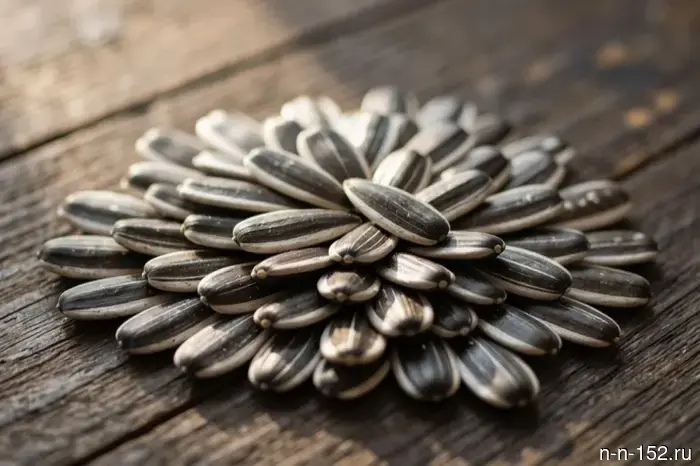 The nutritionist explained how seeds reduce the likelihood of a stroke.
News of Nizhny Novgorod
The nutritionist explained how seeds reduce the likelihood of a stroke.
News of Nizhny Novgorod
How to prevent a heart attack? A doctor answers.
Heart and vascular diseases are one of the leading causes of death worldwide. Unfortunately, they often develop unnoticed, and a person may be unaware of the problem for years. 13.08.2026. Lukoyanovskaya Pravda Newspaper. Nizhny Novgorod Region. Lukoyanov.