

VTB conducted a study on the savings therapy of Russians.
On May 12, 2026, at 15:11, Economy Survey results from VTB showed that having savings helps maintain mental health for the vast majority of Russians. The presence of a financial safety net ensures emotional stability for 73% of respondents, while the absence of financial obligations, including debts, affects 64%. Only 3% reported that their financial situation does not impact their mental health.
Most often, concerns about money arise for Russians in connection with upcoming payment deadlines, such as rent or loan payments. About half of the respondents noted that during this time, they start thinking about additional income. Another 23% of respondents live in a state of constant financial control, checking their balance in mobile banking daily.
50% of respondents stated that for them, financial savings serve as a safety net for unforeseen situations. For 20% of respondents, a month's income is sufficient to solve minor household problems, such as a breakdown of equipment. A classic safety net—three to six months' salary, which protects against job loss—was mentioned by 40% of respondents. However, nearly as many (37%) feel complete financial comfort only with an amount equal to their annual earnings or more.
The very process of saving is also becoming a kind of "savings therapy." For 27%, it is about watching the accrued interest, for 20%—activating cashback and bonuses. 33% of respondents are pleased by the mere fact of transferring money to a savings account or deposit.
A stable habit of checking the banking app has formed among the majority of respondents. About half of Russians log into online banking once or twice a week specifically to check their savings amount, which they believe is sufficient for maintaining mental health. Another 21% do this daily.
The lack of savings directly affects the behavior of Russians and the quality of their decisions. A third of respondents admitted that they become dependent on their financial situation, agree to jobs they dislike, and fear changing their lives when finances are tight. Conversely, 24% of respondents find the absence of savings motivates them to earn more, while 16% become impulsive, succumbing to small purchases on marketplaces.
"Our research confirms a global trend: financial stability is becoming an integral part of mental health. For most Russians, having savings directly affects their emotional state. A deposit or savings account is not only a capital increase but also an accessible ritual that reduces anxiety, a kind of savings therapy," commented Alexey Okhorzin, Senior Vice President and Head of the Retail Business Products Department at VTB. The survey was conducted from April to May 2026 among 1,500 residents of large cities aged 18 to 65. In some questions of the survey, multiple answers could be selected. NIA "Nizhny Novgorod" has channels on Telegram and MAX. Subscribe to stay updated on major events, exclusive materials, and timely information. Copyright © 1999—2025 NIA "Nizhny Novgorod." When reprinting, a hyperlink to NIA "Nizhny Novgorod" is mandatory. This resource may contain materials for ages 18+.
Другие Новости Нижнего (Н-Н-152)
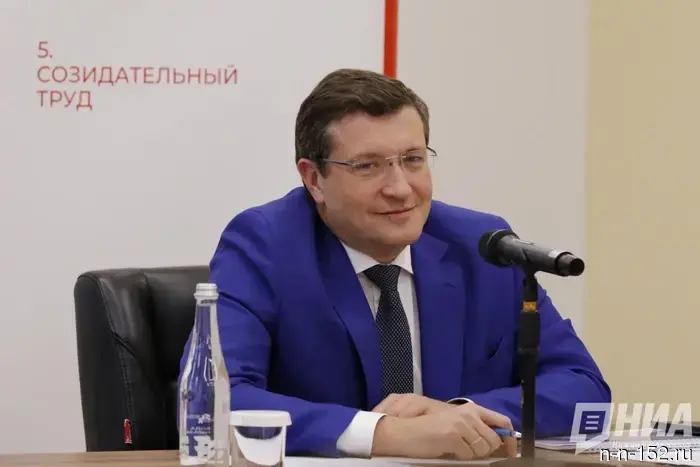 Gleb Nikitin proposed three directions for the People's Program of "United Russia."
News of Nizhny Novgorod
Gleb Nikitin proposed three directions for the People's Program of "United Russia."
News of Nizhny Novgorod
 Internet conference of the chairperson of the NRO Association of Lawyers of Russia Irina Fast
News of Nizhny Novgorod
Internet conference of the chairperson of the NRO Association of Lawyers of Russia Irina Fast
News of Nizhny Novgorod
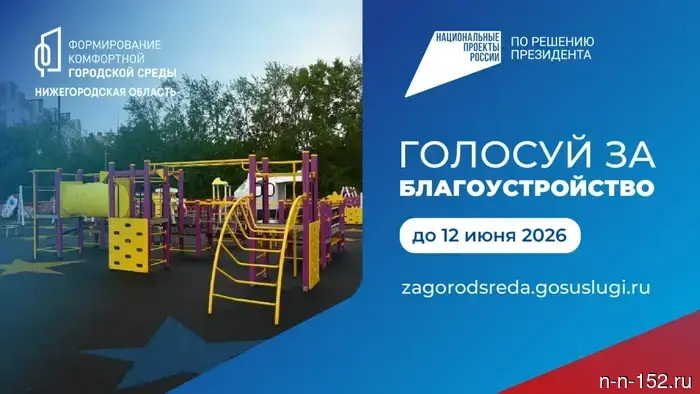 More than 160 thousand Nizhny Novgorod residents voted for the improvement under the national project.
News of Nizhny Novgorod
More than 160 thousand Nizhny Novgorod residents voted for the improvement under the national project.
News of Nizhny Novgorod
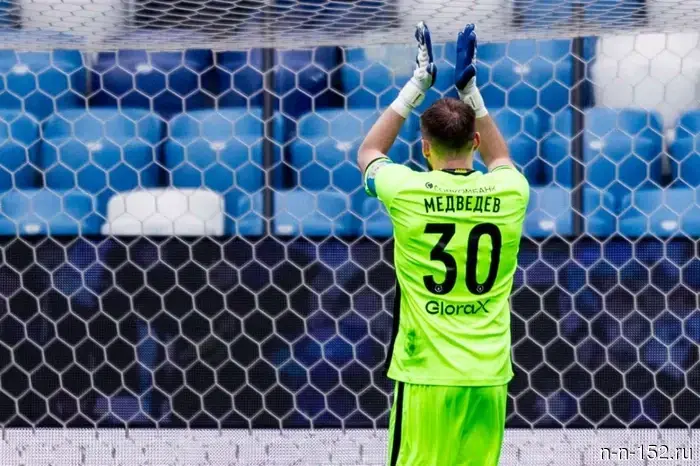 The RFU Disciplinary Committee will assess the behavior of the goalkeeper of "Pari NN," Medvedev, after the match with CSKA.
News of Nizhny Novgorod
The RFU Disciplinary Committee will assess the behavior of the goalkeeper of "Pari NN," Medvedev, after the match with CSKA.
News of Nizhny Novgorod
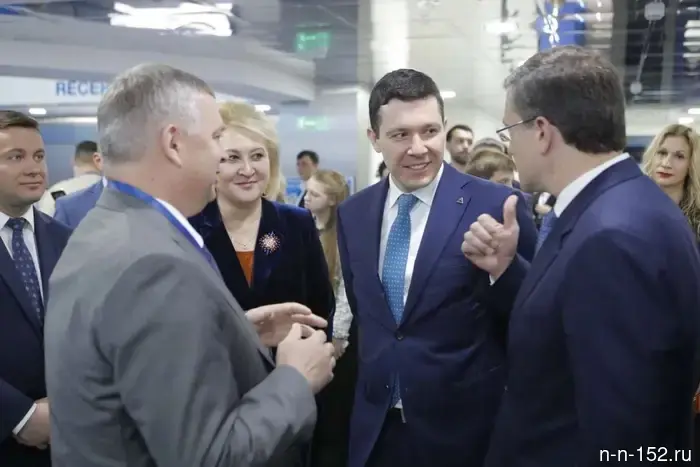 Gleb Nikitin presented the Nizhny Novgorod model of children's industry development in Moscow.
News of Nizhny Novgorod
Gleb Nikitin presented the Nizhny Novgorod model of children's industry development in Moscow.
News of Nizhny Novgorod
 It turned out when Nizhny Novgorod will be hit by heat up to +29 degrees.
News of Nizhny Novgorod
It turned out when Nizhny Novgorod will be hit by heat up to +29 degrees.
News of Nizhny Novgorod
VTB conducted a study on the savings therapy of Russians.
News of Nizhny Novgorod