
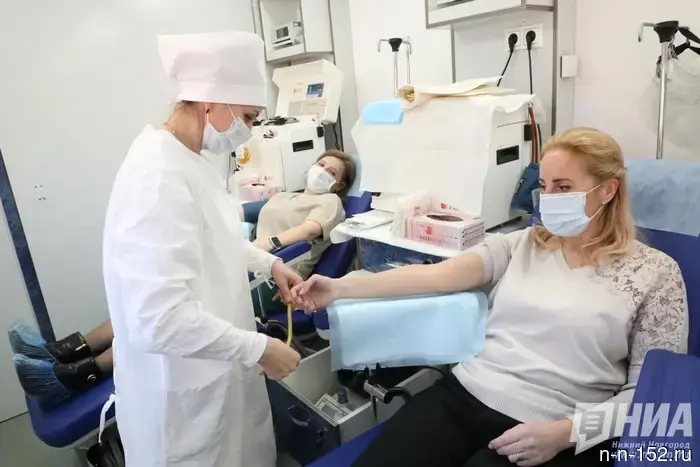
Bone marrow donation: how the procedure that saves lives is performed
April 13, 2026 08:00 Society For thousands of patients with severe blood diseases, bone marrow transplantation remains not just a treatment method, but the only chance for survival. This concerns people with leukemias, lymphomas, aplastic anemia, congenital immunodeficiencies, and a number of hereditary pathologies. In all these cases, the body's own hematopoietic system fails, and the organism requires a "reboot."
This opportunity is provided by the transplantation of hematopoietic stem cells. These cells, contained in the donor's bone marrow, begin to form new, healthy blood components – red blood cells, white blood cells, and platelets – after transplantation. As a result, immunity and normal hematopoiesis are restored.
Why it is so difficult to find a donor
The main problem is not the procedure itself, but finding a suitable person. Genetic matching between the donor and the patient is extremely rare: the probability can range from one in ten thousand to one in a hundred thousand. Even among siblings, compatibility is achieved in only about 25% of cases.
If there is no suitable donor in the family, the search begins in special registries. These are databases of volunteers who have undergone typing. The more people in such registries, the higher the chance of saving a specific patient.
However, in Russia, the number of potential donors still significantly lags behind the figures of several countries, such as Germany, the USA, or Israel. This seriously complicates the search and often increases the waiting time, which is limited for patients.
Effectiveness of transplantation
Despite the difficulty of finding a donor, the transplantation itself shows high effectiveness. In cases of acute and chronic leukemias, the survival rate after the procedure reaches about 70%. In the case of aplastic anemia, this figure can reach up to 90%.
How donation works
The process of bone marrow donation is strictly regulated and consists of several stages. First, the potential donor undergoes HLA typing – an analysis that determines the genetic characteristics of the immune system. This data is entered into the registry.
If a patient with similar characteristics appears, the system selects a possible match. After that, additional, more precise research and a complete medical examination of the donor are conducted.
It is important that participation in the program is completely voluntary. A person can refuse at any stage – except at the moment when the patient has already begun preparation for transplantation. At this stage, their own hematopoietic system is suppressed, and the donor's refusal can cost them their life.
How cell collection is carried out
There are two main methods for obtaining stem cells.
The first is apheresis. The donor is first given a drug that releases stem cells into the blood. Then the blood is passed through a special machine: the needed cells are separated, and the rest is returned. The procedure lasts about 5-6 hours and usually does not require hospitalization.
The second method is the collection of bone marrow from the pelvic bone under general anesthesia. It takes about an hour, after which the donor remains under medical supervision for one to two days.
Common myths
Despite the advancement of medicine, there are still many misconceptions surrounding bone marrow donation. One of the most common is the danger of the procedure. In practice, the donor gives only a small part of the cells – no more than 5%, and they fully recover within 7-10 days. Long-term observations have not revealed any negative health consequences.
Another myth is that it causes severe pain. During apheresis, only discomfort from the catheter insertion is possible, and during bone marrow collection, the donor is under anesthesia and feels nothing.
Some believe that it takes too much time. Indeed, the preparatory stage can be prolonged; however, the procedure itself takes only a few hours.
It is also a common belief that the donor and patient meet immediately. In fact, donation is anonymous, and personal acquaintance is only possible after two years and only with mutual consent of the parties.
Who can become a donor
Both Russian citizens and foreigners residing in the country for more than a year can join the registry. The main requirements are ages 18 to 45 (in some cases – up to 50) and the absence of serious medical contraindications, such as HIV infection, oncological diseases, or mental disorders in an acute stage.
How to join
The procedure for joining is maximally simplified. Applications can be submitted through the "Gosuslugi" portal or at specialized centers, such as blood donation stations. For this, a test is required: blood from a vein or a swab from the oral cavity.
Let us remind you that the conduct of preventive medical examinations and dispensarization is aimed at achieving the goals of the national project "Long and Active Life," which is being implemented in Russia from 2025 by order of President Vladimir Putin. The project is focused on increasing life expectancy and includes the modernization of medical infrastructure, attracting qualified personnel, implementing modern approaches to the prevention and treatment of chronic diseases, as well as developing emergency care and rehabilitation.
The NIA "Nizhny Novgorod" has a Telegram channel. Subscribe to stay updated on major events, exclusive materials, and timely information. Copyright © 1999—2025 NIA "Nizhny Novgorod." When reprinting, a hyperlink to NIA "Nizhny Novgorod" is mandatory. This resource may contain materials 18+
Другие Новости Нижнего (Н-Н-152)
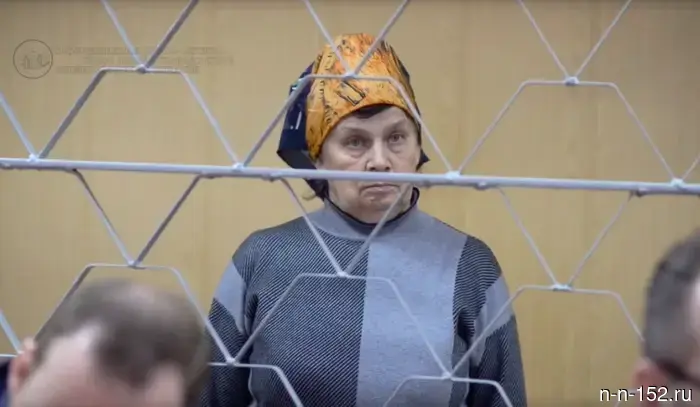 The court placed the director of the Arzamas Medical College under house arrest.
News of Nizhny Novgorod
The court placed the director of the Arzamas Medical College under house arrest.
News of Nizhny Novgorod
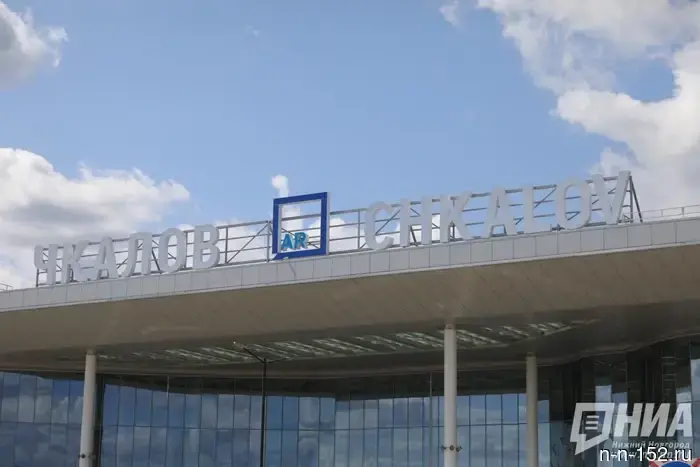 The "Carpet" plan was implemented at the Nizhny Novgorod airport on the morning of April 13.
News of Nizhny Novgorod
The "Carpet" plan was implemented at the Nizhny Novgorod airport on the morning of April 13.
News of Nizhny Novgorod
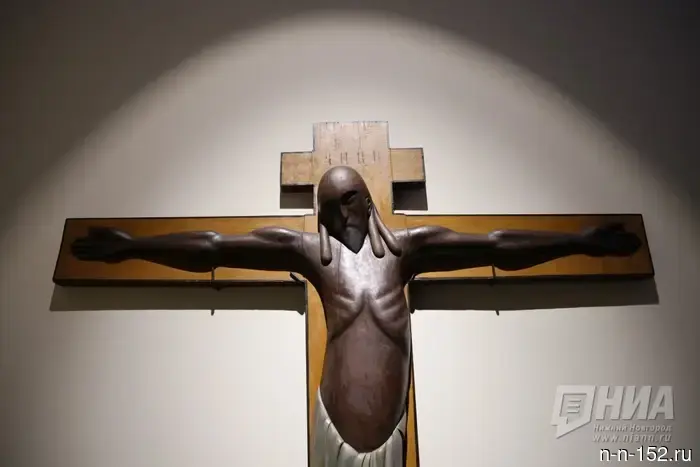 "Cathedral of Saints": an exhibition of unique sculptures has opened in Nizhny Novgorod
News of Nizhny Novgorod
"Cathedral of Saints": an exhibition of unique sculptures has opened in Nizhny Novgorod
News of Nizhny Novgorod
 Warming up to +15 degrees will come to Nizhny Novgorod.
News of Nizhny Novgorod
Warming up to +15 degrees will come to Nizhny Novgorod.
News of Nizhny Novgorod
 A smoking pensioner burned to death in Nizhny Novgorod.
News of Nizhny Novgorod
A smoking pensioner burned to death in Nizhny Novgorod.
News of Nizhny Novgorod
 "Cathedral of Saints": an exhibition of unique sculptures has opened in Nizhny Novgorod
News of Nizhny Novgorod
"Cathedral of Saints": an exhibition of unique sculptures has opened in Nizhny Novgorod
News of Nizhny Novgorod
Bone marrow donation: how the procedure that saves lives is performed
News of Nizhny Novgorod