

Doctor Shabalina explained the purpose of the GOST introduced for AI in the medical field.
March 20, 2026 16:00 Society A state standard for artificial intelligence (AI) in the medical field has been introduced in Russia. The document, which has come into effect, introduces terms, definitions, and classifications for AI systems used in healthcare for the first time. This standard aims to ensure regulation, standardization, and adherence to ethical norms when using AI in the medical field. It is designed to protect patients, maintain a high level of medical services, and reduce risks associated with errors or misuse. According to the new GOST, all AI systems in medicine are divided into two categories:
Medical devices with AI: these are systems used for the prevention, diagnosis, treatment, rehabilitation, and monitoring of a patient's condition. These autonomous systems can conduct medical research and make decisions affecting human health, which requires a high level of reliability and accuracy.
AI-based services: this category includes voice assistants, chatbots, and video analytics services. They provide information and recommendations but do not perform medical procedures.
Top-category immunologist-allergist Oksana Shabalina told 360.ru that AI does not bear legal responsibility for its recommendations, unlike medical professionals, and often gives general advice based on generalized information from the internet. This can be useful for obtaining basic recommendations but does not replace professional medical consultation. Shabalina notes that patients may encounter problems if they rely solely on AI. For example, AI does not take into account individual patient characteristics, such as the presence of comorbidities. This can lead to incorrect medication choices and deterioration of health. A doctor, on the other hand, always considers all aspects of a patient's health, including individual characteristics and comorbidities. This helps avoid mistakes and choose the most effective treatment. Additionally, a doctor can offer psychological support and refer the patient to other specialists if necessary. This is especially important for patients who may experience stress or anxiety due to their condition. By the way, recently OpenAI and Google prohibited GPT chats from providing legal and medical advice based on user experience. The Russian voice assistant "Alice," when asked for recommendations, for example, for allergies, will also direct the user to a doctor with an explanation of why one should not seek treatment from artificial intelligence. NIA "Nizhny Novgorod" has a Telegram channel. Subscribe to stay updated on major events, exclusive materials, and timely information. Copyright © 1999—2025 NIA "Nizhny Novgorod." When reprinting, a hyperlink to NIA "Nizhny Novgorod" is mandatory. This resource may contain materials 18+
Другие Новости Нижнего (Н-Н-152)
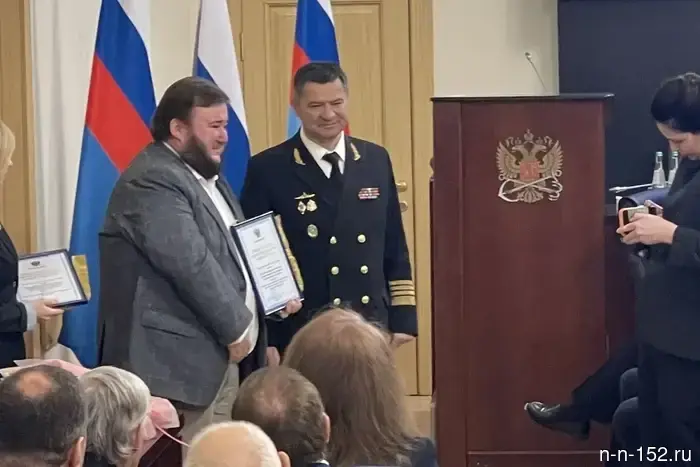 "Vodoley" has been recognized as the best shipping company in Russia.
The Federal Agency for Maritime and River Transport (Rosmorrechflot) has summarized the results of the "Industry Leader" competition. 20.03.2026. NTA-Privolzhye. Nizhny Novgorod Region. Nizhny Novgorod.
"Vodoley" has been recognized as the best shipping company in Russia.
The Federal Agency for Maritime and River Transport (Rosmorrechflot) has summarized the results of the "Industry Leader" competition. 20.03.2026. NTA-Privolzhye. Nizhny Novgorod Region. Nizhny Novgorod.
 Gleb Nikitin awarded prizes to companies whose products made it into the "Golden Hundred" of the best goods in Russia.
News of Nizhny Novgorod
Gleb Nikitin awarded prizes to companies whose products made it into the "Golden Hundred" of the best goods in Russia.
News of Nizhny Novgorod
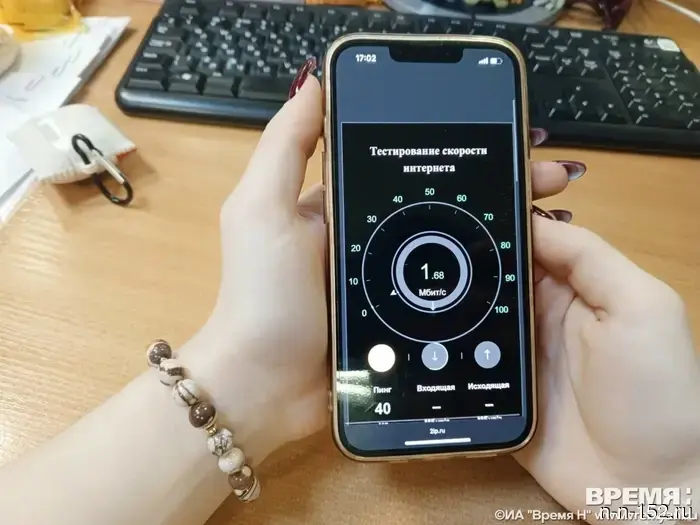 A serious mobile internet outage was felt in Nizhny Novgorod on March 20.
Telegram has stopped working for many users.
Mobile internet access was restricted again in Nizhny Novgorod on March 20. 20.03.2026. N. Time. Nizhny Novgorod Region. Nizhny Novgorod.
A serious mobile internet outage was felt in Nizhny Novgorod on March 20.
Telegram has stopped working for many users.
Mobile internet access was restricted again in Nizhny Novgorod on March 20. 20.03.2026. N. Time. Nizhny Novgorod Region. Nizhny Novgorod.
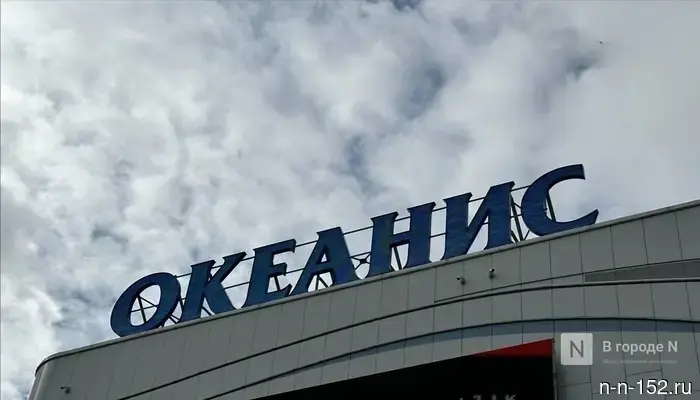 Parking at the "Okeanis" shopping center in Nizhny Novgorod will increase in price starting March 21.
The open and covered parking lots of the "Okeanis" shopping center in Nizhny Novgorod will double in price starting March 21. 20.03.2026. vGorodeN.Ru. Nizhny Novgorod Region. Nizhny Novgorod.
Parking at the "Okeanis" shopping center in Nizhny Novgorod will increase in price starting March 21.
The open and covered parking lots of the "Okeanis" shopping center in Nizhny Novgorod will double in price starting March 21. 20.03.2026. vGorodeN.Ru. Nizhny Novgorod Region. Nizhny Novgorod.
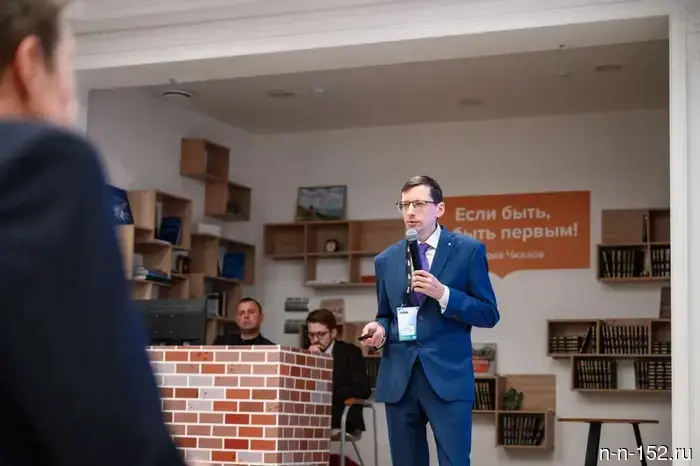 A free acceleration program for IT companies has been launched in Nizhny Novgorod.
News of Nizhny Novgorod
A free acceleration program for IT companies has been launched in Nizhny Novgorod.
News of Nizhny Novgorod
 The cost of parking at the Nizhny Novgorod shopping center "Okeanis" will double.
News of Nizhny Novgorod
The cost of parking at the Nizhny Novgorod shopping center "Okeanis" will double.
News of Nizhny Novgorod
Doctor Shabalina explained the purpose of the GOST introduced for AI in the medical field.
News of Nizhny Novgorod