
Week of Allergy Disease Prevention
According to WHO data, about 40% of the world's population suffers from allergies, and the growth of allergic diseases is noted among both adults and children. In large industrial cities, this disease affects 30 to 60% of the population. Over the past 30 years, allergic diseases, including bronchial asthma, have become the fastest spreading diseases worldwide. Allergy is the cause of a number of chronic diseases, which pose a serious medical, social, and economic problem.
So what is an allergy?
According to the Ministry of Health of Russia, in our country, every third adult and every fourth child suffers from allergic diseases, the frequency of which is steadily increasing. The Nizhny Novgorod region is no exception. Among the factors contributing to the development of this ailment, the most common are: environmental pollution, psychological stress, changing climatic conditions, poor-quality and unnatural food products, and uncontrolled use of medications. However, the main causes of any allergy are rooted in genes that are responsible for the predisposition to allergic reactions.
An allergy is nothing more than a malfunction of the immune system, which perceives certain substances as dangerous and begins to fight them. The human immune system unites all organs and tissues that provide protection against genetically foreign cells and substances entering from outside or formed in the body itself as a result of metabolic disorders or mutations of its own cells.
The cause of allergic manifestations is the repeated entry of an allergen into the body. When an allergen enters the body of an allergic person, the body tries in every possible way to get rid of it, and then allergy symptoms appear — tearing, itching, sneezing, runny nose, cough.
- What can act as an allergen?
- Any substance that is widely distributed in the surrounding world and is absolutely harmless to most people, except for allergy sufferers, can act as an allergen. Unfortunately, the most common allergens are plant pollen, household dust, hair, epithelium, saliva of pets, and food products.
- What types of allergies exist and how do they manifest?
- Several types of allergic reactions are distinguished depending on which organ or group of organs it occurs in. The most common type is respiratory allergy in the form of allergic rhinitis, which is observed in 1 in 10 people and is often hereditary. Symptoms of allergic rhinitis include itching in the eyes, throat, nose, and palate, sneezing, as well as a stuffy nose, watery eyes, mucus discharge from the nose, and conjunctivitis (redness and pain in the eyes). One of the most severe manifestations of allergy is bronchial asthma. An asthma attack can occur directly upon contact with an allergen, but there are cases when an infection is the triggering factor.
The next type of allergy is food allergy. This is an allergic reaction of the body to food products that develops within minutes of eating. The most common allergens are those products that are usual and constantly present in the diet — milk, eggs, fish and seafood, wheat, nuts, soy, and citrus fruits.
Manifestations of food allergy can be accompanied by absolutely different symptoms, such as watery nasal discharge, difficulty in nasal breathing, choking, hives, atopic dermatitis, abdominal pain, vomiting, nausea, diarrhea, redness of the eyes, tearing, and low blood pressure.
If the allergen is a food product (fish, milk, eggs, chicken, bread, chocolate), it is sufficient to exclude this product from the diet. It is more complicated when the allergen is pollen from trees and grasses, as it is only possible to avoid the allergen by leaving the flowering region for 2-3 weeks, which is not always feasible.
It is even more difficult if the allergen is household dust or pet hair. What should be done to prevent exacerbation of allergies? First of all, control the amount of dust and hair in the room, that is, regularly carry out wet cleaning, wash bedding in hot water, ventilate the room more often, and remove carpets and other items that collect dust.
- How to understand that you have an allergy and not another disease?
- Many people do not even realize that they are sick, attributing allergy symptoms to other diseases. Often, a person suffers due to a simple lack of knowledge about the symptoms, types, and treatment methods for allergies. Insufficient public awareness leads to incorrect and untimely treatment, resulting in serious, sometimes life-threatening complications, including drug allergies. Allergy is often mistaken for ARVI, and treated accordingly, but the treatment does not yield results. Self-medication causes great harm to the immune system.
Everyone needs to remember that allergy is a serious disease that affects people of all ages. Without treatment, it can significantly worsen the quality of life. Therefore, if there is a suspicion of an allergy, one should never engage in self-medication, but should definitely consult a doctor (therapist, pediatrician, otolaryngologist), who will prescribe appropriate therapy and refer to an allergist.
When treating any allergy, the first and necessary step is to identify the allergen and reduce contact with it. The doctor prescribes comprehensive treatment: antihistamines, nasal and eye drops, inhalations. There is also allergen-specific immunotherapy, also called "vaccination" against allergies, when allergens are introduced in small doses, and the body gets accustomed to them, and allergic antibodies are restructured to blocking ones that prevent further allergic manifestations. This treatment begins in the cold season and lasts from three to five years.
Другие Новости Нижнего (Н-Н-152)
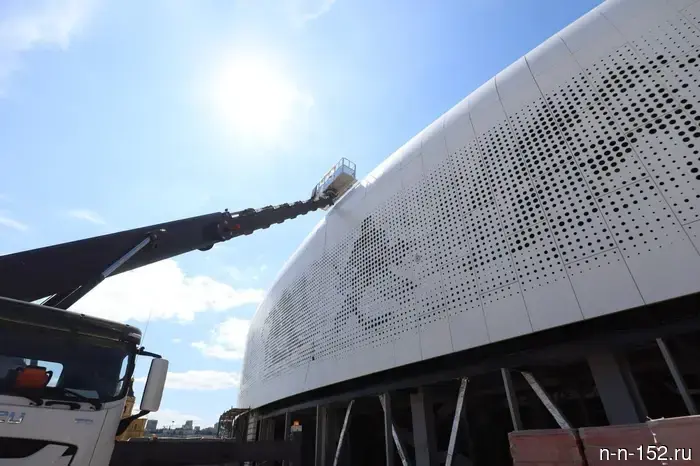 Finishing works are being completed at the main arena of the ice palace at Strelka in Nizhny Novgorod.
Photo: Nizhny Novgorod Region Development Corporation
The contractor is completing the main finishing works at the main arena of the ice palace at Strelka in Nizhny Novgorod. 07.07.2025. Government of Nizhny Novgorod Region. Nizhny Novgorod Region. Nizhny Novgorod.
Finishing works are being completed at the main arena of the ice palace at Strelka in Nizhny Novgorod.
Photo: Nizhny Novgorod Region Development Corporation
The contractor is completing the main finishing works at the main arena of the ice palace at Strelka in Nizhny Novgorod. 07.07.2025. Government of Nizhny Novgorod Region. Nizhny Novgorod Region. Nizhny Novgorod.
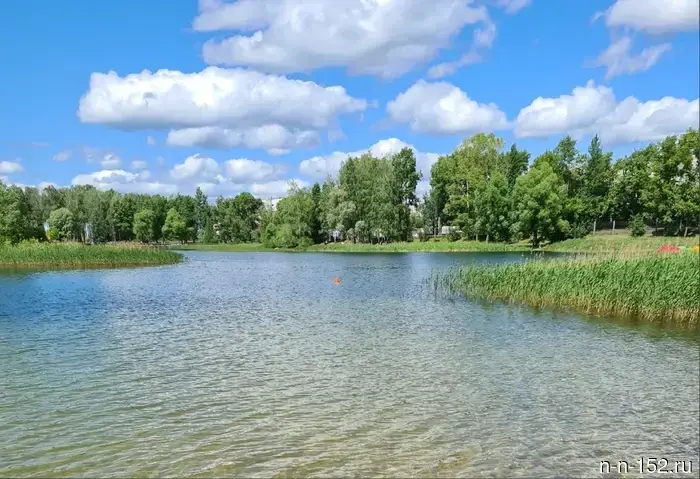 Wastewater treatment facilities will be built near the Silicate Lake for 47.6 million rubles.
The contractor will be determined on July 17, and the work is expected to be completed by December 2026.
The treatment facilities will be built near the Silicate Lake for 47.6 million rubles. 07.07.2025. Komsomolskaya Pravda. Nizhny Novgorod Region. Nizhny Novgorod.
Wastewater treatment facilities will be built near the Silicate Lake for 47.6 million rubles.
The contractor will be determined on July 17, and the work is expected to be completed by December 2026.
The treatment facilities will be built near the Silicate Lake for 47.6 million rubles. 07.07.2025. Komsomolskaya Pravda. Nizhny Novgorod Region. Nizhny Novgorod.
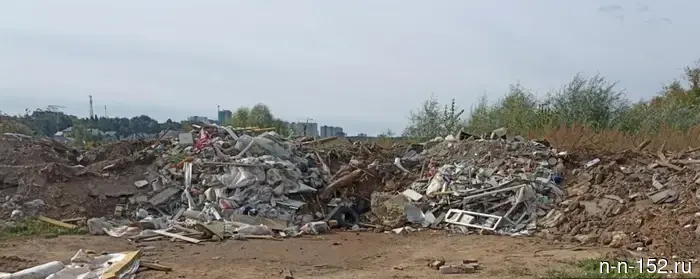 The Nizhny Novgorod developer "Investcity" is required to compensate more than 4.9 million rubles for damage caused to the soils.
The First Arbitration Appellate Court ruled to recover damages from LLC "Investcity" for harm caused to the soil as a result of unauthorized disposal of production and consumption waste in the Soviet District of Nizhny Novgorod. 07.07.2025. Rosprirodnadzor. Nizhny Novgorod Region. Nizhny Novgorod.
The Nizhny Novgorod developer "Investcity" is required to compensate more than 4.9 million rubles for damage caused to the soils.
The First Arbitration Appellate Court ruled to recover damages from LLC "Investcity" for harm caused to the soil as a result of unauthorized disposal of production and consumption waste in the Soviet District of Nizhny Novgorod. 07.07.2025. Rosprirodnadzor. Nizhny Novgorod Region. Nizhny Novgorod.
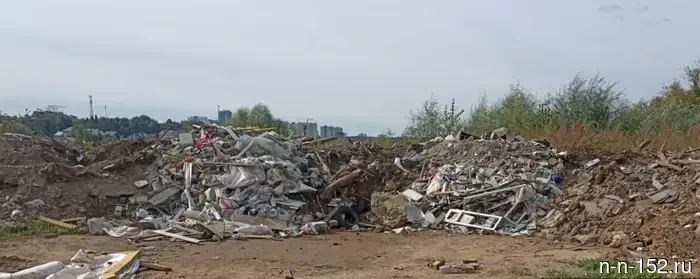 The Nizhny Novgorod developer "Investcity" is required to compensate more than 4.9 million rubles for damage caused to the soils.
The First Arbitration Appeal Court ruled to recover damages from LLC "Investcity" for the harm caused to the soil as a result of the unauthorized placement of production and consumption waste in the Soviet District of Nizhny Novgorod. 07.07.2025. Rosprirodnadzor. Nizhny Novgorod Region. Nizhny Novgorod.
The Nizhny Novgorod developer "Investcity" is required to compensate more than 4.9 million rubles for damage caused to the soils.
The First Arbitration Appeal Court ruled to recover damages from LLC "Investcity" for the harm caused to the soil as a result of the unauthorized placement of production and consumption waste in the Soviet District of Nizhny Novgorod. 07.07.2025. Rosprirodnadzor. Nizhny Novgorod Region. Nizhny Novgorod.
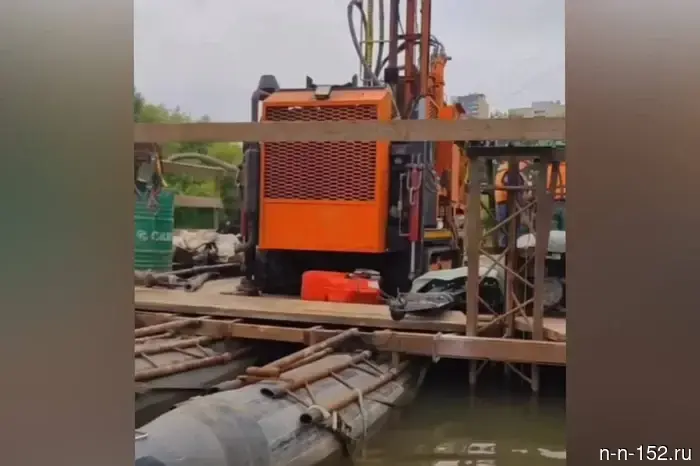 Metro builders are studying the underground soils under Levinka in Nizhny Novgorod.
Under the river, transit tunnels will be constructed
Metro builders are studying the underground soils under Levin in Nizhny Novgorod. 08.07.2025. Komsomolskaya Pravda. Nizhny Novgorod Region. Nizhny Novgorod.
Metro builders are studying the underground soils under Levinka in Nizhny Novgorod.
Under the river, transit tunnels will be constructed
Metro builders are studying the underground soils under Levin in Nizhny Novgorod. 08.07.2025. Komsomolskaya Pravda. Nizhny Novgorod Region. Nizhny Novgorod.
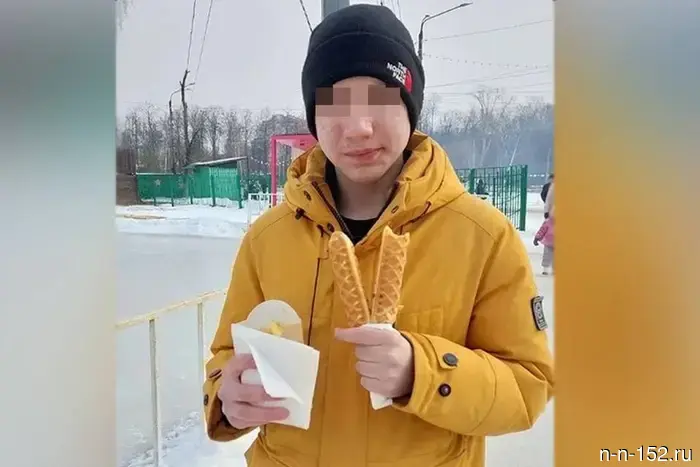 The teenager who carried out the massacre at the Nizhny Novgorod school has had his house arrest extended.
The schoolboy will remain under arrest for another month
The teenager who carried out the massacre at a Nizhny Novgorod school has had his house arrest extended
Photo: from a personal page on social media.. 07.07.2025. Komsomolskaya Pravda. Nizhny Novgorod Region. Nizhny Novgorod.
The teenager who carried out the massacre at the Nizhny Novgorod school has had his house arrest extended.
The schoolboy will remain under arrest for another month
The teenager who carried out the massacre at a Nizhny Novgorod school has had his house arrest extended
Photo: from a personal page on social media.. 07.07.2025. Komsomolskaya Pravda. Nizhny Novgorod Region. Nizhny Novgorod.
Week of Allergy Disease Prevention
According to WHO data, about 40% of the world's population suffers from allergies, and an increase in allergic diseases is observed among both adults and children. 08.07.2025. Sechenovsky Municipal District. Nizhny Novgorod Region. Sechenovo.