

Narcologist Tarasov explained how to recognize addiction in a loved one.
June 22, 2026 08:00 Society From June 23 to 29, Russia is holding a Week for the Prevention of Drug Use. Despite widespread awareness of the harm of drugs, the problem remains relevant, especially among adolescents and youth. As explained by Valery Tarasov, the chief freelance psychiatrist-narcologist of the Ministry of Health of the Nizhny Novgorod Region, psychoactive substances include not only drugs in the conventional sense of the word. What is considered a psychoactive substance According to specialists, any substance that can affect human consciousness is considered psychoactive. This group includes narcotic substances, alcohol, tobacco, and various toxic compounds. The danger lies in the fact that many people do not think about the consequences of their first experiments with such substances. Meanwhile, even one or two instances of use may be enough to form an addiction. Why addiction occurs Narcotic substances affect the body in different ways; however, their action is united by a common mechanism: they create a feeling of pleasure and temporary well-being. After the effect wears off, life problems do not disappear, and addiction—both psychological and physical—adds to them. Moreover, the consequences of use affect not only a person's health. Drug addiction often leads to serious financial difficulties, as illegal substances require constant expenses. In search of money for a new dose, a person may commit illegal acts. Additionally, in a state of withdrawal, an addict often loses control over their behavior and focuses solely on finding drugs. What signs should raise concern As Valery Tarasov noted, the problem can be recognized by a number of characteristic signs. Among them are sharp mood swings without visible reasons, unusual behavior, excessive activity or lethargy, unprovoked fear or laughter. Changes in social circles, loss of interest in previous hobbies, problems with studies or work, secrecy, and unwillingness to communicate with loved ones should also raise alarms. There are also external signs of possible drug use. In particular, this includes dilated or sharply constricted pupils, pale skin, and trembling hands. Special attention is recommended for adolescents. If a person exhibits signs of inadequate behavior but lacks the smell of alcohol, this may be a serious cause for concern. How drugs are dangerous to the body According to the narcologist, drug addiction has a destructive effect on almost all organs and systems of the body. The brain suffers first: memory and cognitive abilities deteriorate, and the nervous system's functioning is disrupted. The risks of heart attacks and strokes increase, and the liver and kidneys experience serious strain. Negative consequences also affect the reproductive system and the person's personality as a whole—interests, behavior, and life priorities change. At the same time, addiction is treatable. As Valery Tarasov emphasizes, the most important condition remains the individual's desire to change the situation. Effective help involves a comprehensive approach, including medication, psychological support, and rehabilitation. Family support plays a significant role in the recovery process. Residents of the region can receive qualified help at the Nizhny Novgorod Regional Narcological Dispensary. Specialists at the institution conduct diagnostics, select treatment, and, if necessary, refer patients for rehabilitation. The dispensary's phone number is 8 (831) 433-65-24. According to specialists, the best measure against drug addiction remains prevention. Parents are advised to openly discuss the consequences of using psychoactive substances with their children, to be interested in their social circles, and to pay attention to changes in behavior and emotional state. Since 2025, by the order of the President of the Russian Federation Vladimir Putin, the national project "Sustained and Active Life" has been implemented. Preventive medical examinations and dispensarization are aimed at achieving its goals. The national project "Sustained and Active Life" itself is aimed at the expected increase in life expectancy by 2030 and involves the renovation of clinics, outpatient clinics, and FAPs, attracting qualified medical personnel to medical institutions, applying new approaches in prevention, diagnosis, and treatment of chronic diseases, improving emergency medical care and rehabilitation systems, and developing a network of national research centers and digitizing the industry. The NIA "Nizhny Novgorod" has channels on Telegram and MAX. Subscribe to stay updated on major events, exclusive materials, and timely information. Copyright © 1999—2025 NIA "Nizhny Novgorod". When reprinting, a hyperlink to NIA "Nizhny Novgorod" is mandatory. This resource may contain materials 18+
Другие Новости Нижнего (Н-Н-152)
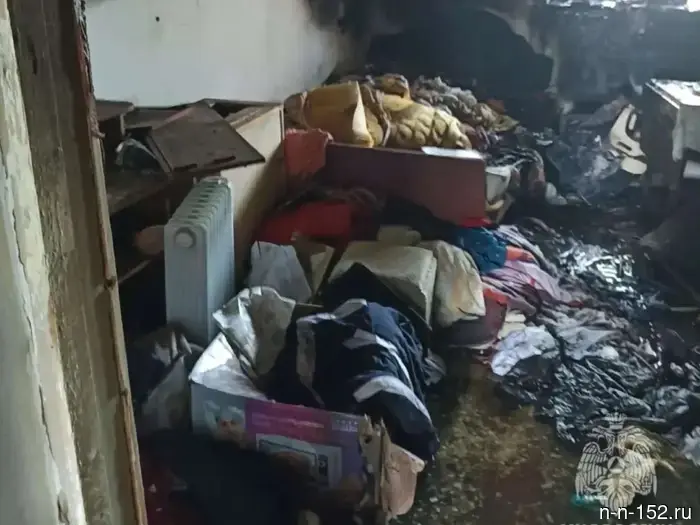 A pensioner died in a fire caused by an outlet in the Nizhny Novgorod region.
News of Nizhny Novgorod
Large-scale exercises on searching for missing persons in the forest were held in the Nizhny Novgorod region.
In the vicinity of the village of Gridenino in the Balakhna district, interagency training exercises were held aimed at practicing skills for searching and rescuing people lost in the natural environment. 22.06.2026. Ministry of Emergency Situations of the Nizhny Novgorod Region. Nizhny Novgorod Region. Nizhny Novgorod.
A pensioner died in a fire caused by an outlet in the Nizhny Novgorod region.
News of Nizhny Novgorod
Large-scale exercises on searching for missing persons in the forest were held in the Nizhny Novgorod region.
In the vicinity of the village of Gridenino in the Balakhna district, interagency training exercises were held aimed at practicing skills for searching and rescuing people lost in the natural environment. 22.06.2026. Ministry of Emergency Situations of the Nizhny Novgorod Region. Nizhny Novgorod Region. Nizhny Novgorod.
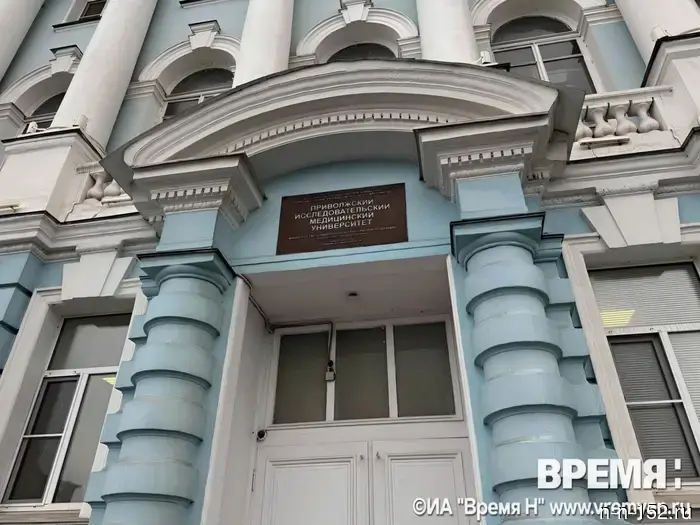 The cost of education for medical specialists has increased in Nizhny Novgorod universities.
Most budget places are allocated for targeted admission.
Training for doctors and nurses in Nizhny Novgorod has become more expensive again, reported the editor-in-chief of MIA "Statsionar-Press" Alexey Nikонов in his max-channel "Bokal presseka." 22.06.2026. Time N. Nizhny Novgorod Region. Nizhny Novgorod.
The cost of education for medical specialists has increased in Nizhny Novgorod universities.
Most budget places are allocated for targeted admission.
Training for doctors and nurses in Nizhny Novgorod has become more expensive again, reported the editor-in-chief of MIA "Statsionar-Press" Alexey Nikонов in his max-channel "Bokal presseka." 22.06.2026. Time N. Nizhny Novgorod Region. Nizhny Novgorod.
 Almost 1.5 billion rubles were stolen from Nizhny Novgorod residents by remote scammers.
News of Nizhny Novgorod
The admission campaign has started in Nizhny Novgorod colleges and technical schools.
This year, more than 17,500 students will be able to receive education funded by the budget.
On June 20, 2026, across the country, including the Nizhny Novgorod region, 22.06.2026. The city of Kulebaki. Nizhny Novgorod region. Kulebaki.
Almost 1.5 billion rubles were stolen from Nizhny Novgorod residents by remote scammers.
News of Nizhny Novgorod
The admission campaign has started in Nizhny Novgorod colleges and technical schools.
This year, more than 17,500 students will be able to receive education funded by the budget.
On June 20, 2026, across the country, including the Nizhny Novgorod region, 22.06.2026. The city of Kulebaki. Nizhny Novgorod region. Kulebaki.
Narcologist Tarasov explained how to recognize addiction in a loved one.
News of Nizhny Novgorod