
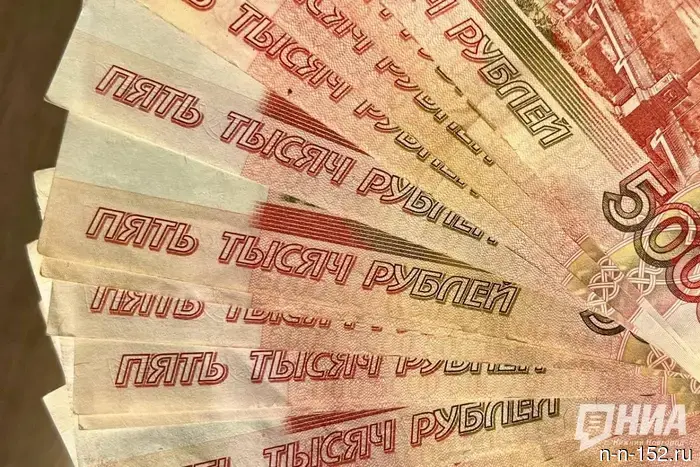
Inflation in the Nizhny Novgorod region was 5.6% in February.
The annual inflation in the Volga Federal District as of February 2026 decreased to 6.5% from 6.8% the previous month. In the Nizhny Novgorod region, the figure, on the contrary, slightly increased to 5.6%, but remained below the national average of 5.9%. This was reported by the public relations and financial literacy department of the Volga State University of Technology of the Central Bank of Russia.
Overall in the district, as in all its regions, price growth in February was more restrained than in January. Over the month, inflation in the Volga Federal District was 0.7% after 1.7% in January. In the Nizhny Novgorod region, the figure decreased to 0.6% from 1.6% the previous month. This is due to the weakening influence of the tariff increases and tax changes at the beginning of the year.
In February, price growth in the Volga region slowed down across all major categories — food, non-food goods, and services. Some products even became cheaper. In particular, prices for dairy products, including butter, decreased. This is explained by the increase in raw milk production and significant stocks of finished products both in the district and across the country.
The growth of vegetable prices also significantly slowed down. At the same time, greenhouse farms continued to include previously accumulated costs — for heating, storage, and logistics — in the product prices.
Among non-food goods in February, household appliances, televisions, and smartphones became cheaper in the Volga Federal District. This happened due to the strengthening of the ruble in previous months and a decrease in demand against the backdrop of high loan rates. For the same reason, prices for building materials decreased in the Nizhny Novgorod region.
Seasonal factors also influenced price dynamics: fur products and winter footwear noticeably became cheaper. In the Nizhny Novgorod and Orenburg regions, the decrease in fur prices was more pronounced than the average in the district.
In the services sector, prices for foreign tours increased in February, which is related to the seasonal increase in demand for certain destinations. At the same time, vacations on the Black Sea coast became cheaper — demand for such trips decreased as the ski season came to an end.
The Bank of Russia emphasized that the regulator will continue to pursue a course aimed at reducing inflation to a sustainably low level. As price growth slows down, interest rates are expected to decrease, which will support the recovery of lending.
Considering the monetary policy being implemented, as noted by the Central Bank, the annual inflation in 2026 may be 4.5-5.5%, and starting from 2027, it may stabilize around 4%. It was previously reported that the Central Bank of Russia lowered the key rate for the seventh time to 15%. NIA "Nizhny Novgorod" has a Telegram channel. Subscribe to stay updated on major events, exclusive materials, and timely information.
Другие Новости Нижнего (Н-Н-152)
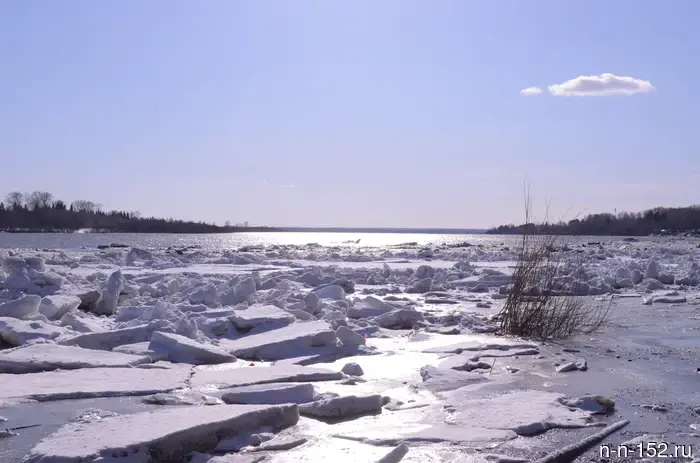 Two people drowned in the water bodies of the Nizhny Novgorod region over the week.
A total of four incidents occurred on the water. Two people drowned in the water bodies of the Nizhny Novgorod region over the week.
Photo: Ksenia Vysotina. 30.03.2026. Komsomolskaya Pravda. Nizhny Novgorod region. Nizhny Novgorod.
Two people drowned in the water bodies of the Nizhny Novgorod region over the week.
A total of four incidents occurred on the water. Two people drowned in the water bodies of the Nizhny Novgorod region over the week.
Photo: Ksenia Vysotina. 30.03.2026. Komsomolskaya Pravda. Nizhny Novgorod region. Nizhny Novgorod.
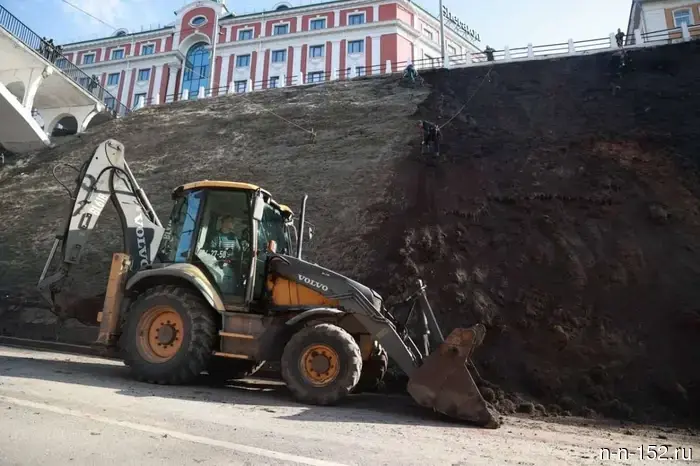 Zelensky's congress will open for transport on the morning of March 31.
News of Nizhny Novgorod
Zelensky's congress will open for transport on the morning of March 31.
News of Nizhny Novgorod
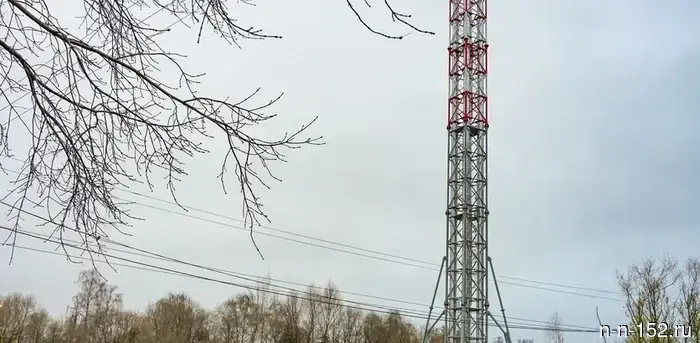 The heating supply system of JSC "Unified Utility Operator" operates at minimal parameters in accordance with the outdoor air temperature.
To ensure a more comfortable temperature regime in homes and social facilities, as well as in response to requests from residents, 30.03.2026. Administration of Nizhny Novgorod. Nizhny Novgorod Region. Nizhny Novgorod.
The heating supply system of JSC "Unified Utility Operator" operates at minimal parameters in accordance with the outdoor air temperature.
To ensure a more comfortable temperature regime in homes and social facilities, as well as in response to requests from residents, 30.03.2026. Administration of Nizhny Novgorod. Nizhny Novgorod Region. Nizhny Novgorod.
 The regional government team played football with participants of the "Heroes. Nizhny Novgorod Region" program.
News of Nizhny Novgorod
The regional government team played football with participants of the "Heroes. Nizhny Novgorod Region" program.
News of Nizhny Novgorod
 The crab catcher "Captain Zhitnikov" was launched in Navashino.
The launching of the crab fishing vessel "Captain Zhitnikov" took place at the "Okskaya Shipyard" in Navashino. 30.03.2026. IA Nizhny Now. Nizhny Novgorod Region. Nizhny Novgorod.
The crab catcher "Captain Zhitnikov" was launched in Navashino.
The launching of the crab fishing vessel "Captain Zhitnikov" took place at the "Okskaya Shipyard" in Navashino. 30.03.2026. IA Nizhny Now. Nizhny Novgorod Region. Nizhny Novgorod.
 The Nizhny Novgorod resident returned the dog to his ex-girlfriend after the court and fines.
News of Nizhny Novgorod
The Nizhny Novgorod resident returned the dog to his ex-girlfriend after the court and fines.
News of Nizhny Novgorod
Inflation in the Nizhny Novgorod region was 5.6% in February.
News of Nizhny Novgorod