
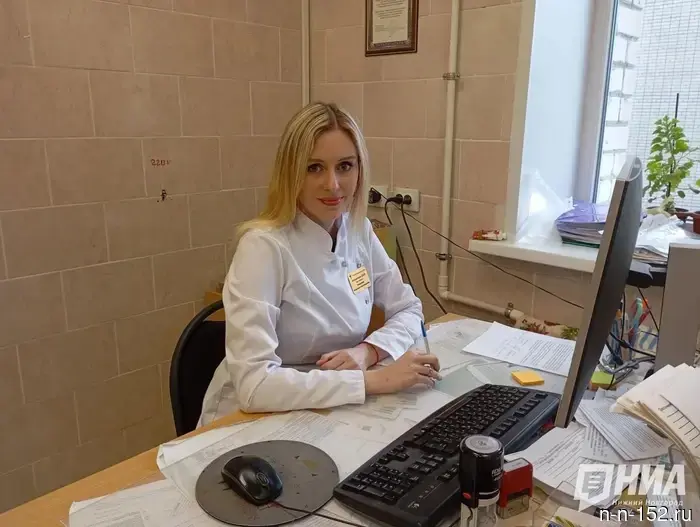
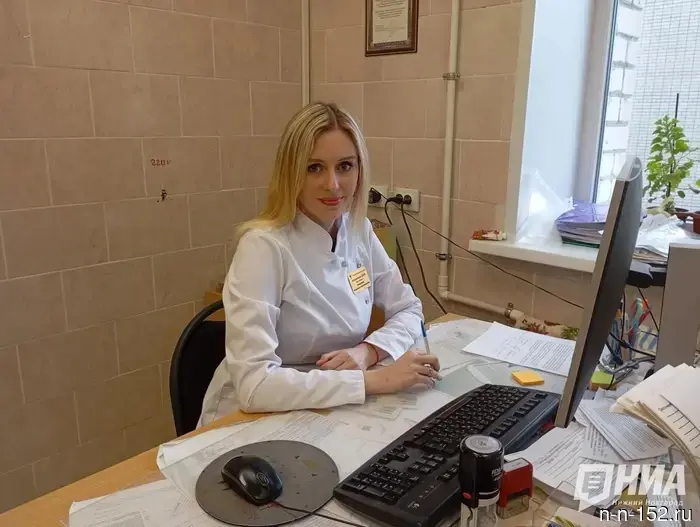
Oncologist Anastasia Smirnova: "Cancer is not a sentence, but a diagnosis."
NIA "Nizhny Novgorod" - Maria Orlova
On June 21, Russia celebrates Medical Worker Day. In honor of this date, NIA "Nizhny Novgorod" together with the regional health ministry launched a series of publications dedicated to the hard work of healthcare specialists. The heroine of the new interview is the head of the Outpatient Oncology Care Center of Balakhna Central District Hospital, oncologist Anastasia Smirnova. We talked to her about her choice of profession, patients' fears, early diagnosis, and why oncology is not a death sentence.
— Anastasia, why did you decide to become a doctor?
— It all comes from childhood. I spent a lot of time with my grandfather—a docent who taught economics and mathematics at Nizhny Novgorod universities. He took me to lectures, and I could sit and listen for four hours. I found it interesting. But generally, my family is close to medicine. My grandfather and I often walked along the Upper Volga embankment, where a memorial plaque is installed for Boris Vasilyevich Parin, my great-uncle—he worked on reconstructing hands for patients. One of them later wrote him letters in calligraphic handwriting. My great-grandmother was a military doctor and went through the entire war. At home, there were gifts from saved patients, like little houses made of matchsticks. I was raised on these stories. My favorite toy was a microscope, and my favorite game was "hospital." So, I had no doubts about my choice of profession.
— And why did you choose oncology?
— When I was choosing a residency, there was no specific direction. Surgery didn't suit me. I realized I couldn't perform long operations. Gynecology seemed interesting, but I felt it wasn't for me; I understood everything there already. Oncology seemed to me something complex and sacred. It was a chance encounter that decided everything. One day, a friend invited me to a competition at a Moscow clinic for a vacant position. I was accepted, but she wasn't. That's how my career in oncology began. I first worked at the clinic's branch in Nizhny Novgorod, and after its closure, I moved to the Nizhny Novgorod Oncology Dispensary. Then I transferred to Balakhna Central District Hospital, where I have been working for two years.
— Is the hardest part of being an oncologist delivering the diagnosis?
— Perhaps the hardest part is when the disease proves stronger. When the stage is not advanced, treatment is radical, but metastases appear. And about delivering the diagnosis... Of course, each patient reacts in their own way: fear, tears, confusion, sometimes aggression. For some, it's important to speak as gently and carefully as possible, while others need to be carefully gathered and prepared for treatment. Usually, within the first few minutes, it's clear how to structure the conversation. If a person is crying and upset, there can be no pressure. In such situations, I speak calmly and supportively, explaining the next steps step by step. My task is to ensure that the patient does not lose hope, that they understand: there is a way out, there is treatment, we are here for them. If a patient enters the office tense or aggressive, it's important to gently but clearly set boundaries: I am your doctor, I am responsible for your treatment, and your health directly depends on our cooperation.
— What types of cancer are most commonly encountered today?
— Breast tumors, basal cell carcinoma, and squamous cell carcinoma of the skin. In men, prostate cancer. Lung cancer. Stomach cancer has also been increasingly diagnosed. Mostly, people of middle and older age are affected. But thanks to improved diagnostics, we are increasingly detecting the disease at early stages.
— Are there symptoms that require an urgent visit to an oncologist?
— There are no specific symptoms. That's the problem. If a tooth hurts, you go to the dentist. But a tumor may not manifest itself at all. Therefore, it's important to undergo annual check-ups: ultrasound, chest X-ray, mammography for women, PSA tests for men. Screening rooms are operational, and the "Onco Alertness" program is in effect. The more we examine, the more we detect cancer at an early stage, and the more patients we can treat.
— Does having a family history of cancer increase the risk of developing cancer in a patient?
— It all depends on whether a person has hereditary mutations that are passed down genetically. For example, in women, breast and ovarian cancer may be associated with mutations in the BRCA genes. If such a defect is present, it can be inherited—from mother to daughter and further down the generations. In my practice, there is a patient who was diagnosed with breast cancer. Now the disease is in remission. Later, her mother came to me—she was diagnosed with ovarian cancer, and after some time, she was also diagnosed with breast cancer. Now both patients are in remission, and their condition is stable.
— Perhaps it makes sense to undergo genetic testing in the absence of symptoms?
— First of all, genetic tests are not included in the mandatory health insurance system and are quite expensive. Secondly, it's important to understand that detecting a mutation does not mean the inevitable development of cancer. However, knowledge of the presence of a mutation can cause increased anxiety and a tendency to constantly search for symptoms. Therefore, I repeat, it is sufficient to undergo regular check-ups.
— Why do people still consider cancer a death sentence?
— This is a common opinion. Often, even a patient with an early stage prepares for the worst. Almost every appointment begins with the words: "Doctor, I'm probably going to die." This is a persistent public opinion, unfounded. We try to change this attitude. Oncology is not a death sentence. Many cases are successfully treated, and patients enter remission. Yes, they are under observation for life, as even in the absence of an active tumor, risks remain, so regular monitoring is necessary. But at the same time, patients live full lives.
— Relatives often ask not to tell the patient about the diagnosis, especially if it concerns the fourth stage and an unfavorable prognosis. What is your attitude towards this?
— Indeed, patients with stage four rarely come alone—they usually come with relatives. And they often ask: "Please, don't tell him." Formally, we can take their request into account, but what is the point? I believe it is important for a person to understand what is happening to them and what to prepare for. The ability to psychologically prepare for what lies ahead is very important. Living in ignorance for even a month or two is hard. Sometimes relatives tell the patient: "It's nothing serious, just take a pill, and it will all pass." I do not support this approach. If a patient directly asks about their condition, we are obliged to tell the truth. For us, the main person in the appointment is the patient. This is their life, and they have the right to know.
— Have there been cases in your practice that particularly stood out?
— While working as a radiation therapist, I treated a 45-year-old man with rectal cancer. An operation was planned to remove the intestine and create a stoma. After a course of radiation therapy, the tumor completely disappeared. As a result, the operation was canceled. He lives a full life. There was another story. A woman complained of severe pain. In conversation, it turned out that she lived alone and lacked communication. We just talked. She said: "Doctor, I don't hurt anymore." Then she underwent all the examinations, which showed that she was healthy. So sometimes help is just a word.
— As I understand, you recently came to Balakhna Central District Hospital and are already working as the head of the department. How did the team react to your appointment? And what is the most challenging aspect of your leadership position?
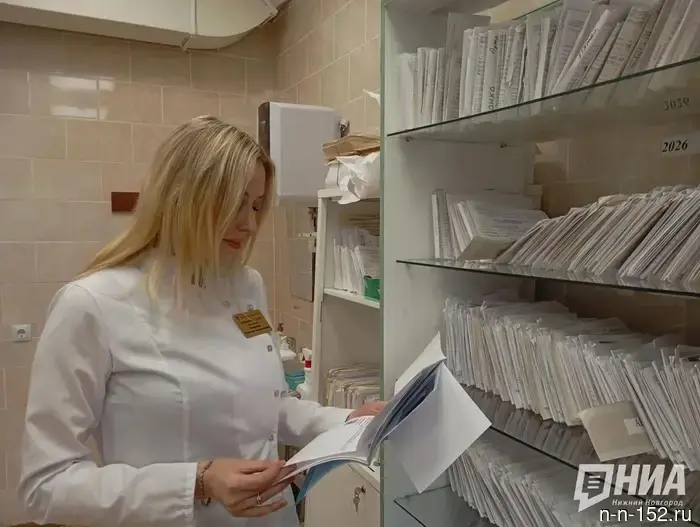
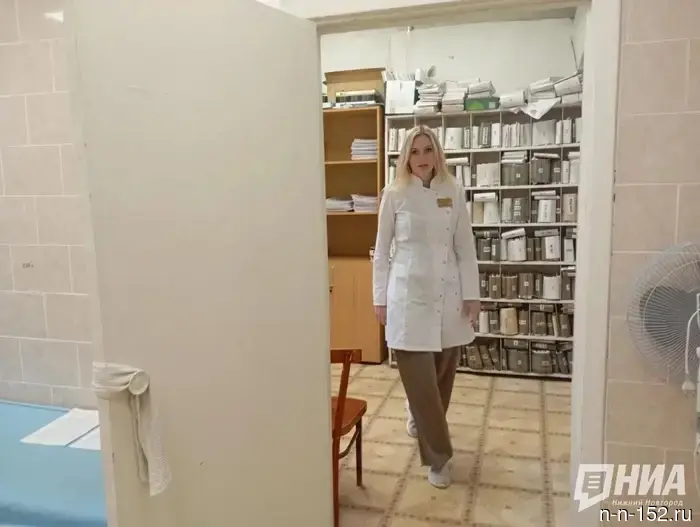
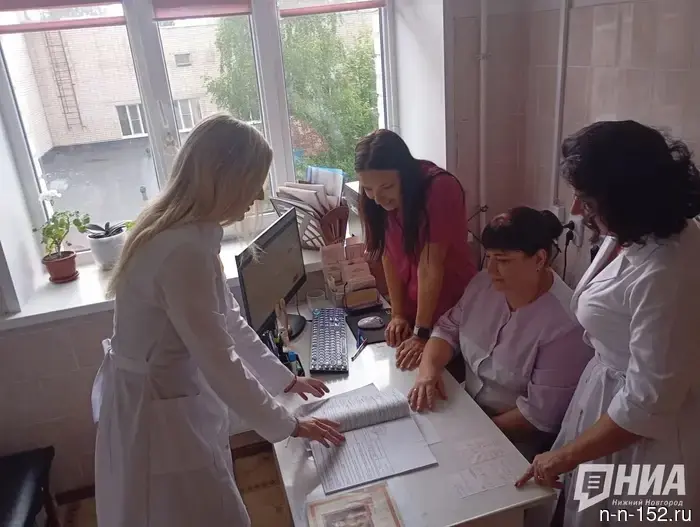
— When I came here, there was practically no permanent team. I essentially had to build the system from scratch. But I have always been interested in optimizing processes—making work more efficient and faster. Speaking of results, based on last year's and the year before's indicators, our outpatient oncology department became one of the best in Nizhny Novgorod region, and this year we took first place! The percentage of examined patients increased, and the accessibility of oncological care and diagnostic studies grew. I believe this is largely the result of the optimization we conducted. The work of a department head is very multitasking. I am used to a large volume of information and interacting with many people. Alongside administrative duties, I conduct appointments, administer infusions, and chemotherapy, so my workday is busy and varied. Sometimes everything goes off-plan: additional patients arrive, urgent questions arise: someone needs urgent pain relief, someone needs treatment adjusted, or a report sent. As a result, the day stretches, and by evening, fatigue is felt. But on the other hand, without such dynamics, it would be uninteresting.
— How do you cope with emotional stress?
— When it gets really tough, I go skydiving. I play musical instruments, write poetry. Sometimes a bath with magnesium salt is enough. And, of course, friends help.
— What would you advise those who are thinking of linking their life to medicine today? Is it worth going into this profession, particularly oncology?
— It all depends on the person. But if you are going into medicine for mercenary reasons, you won't last long here. Being a doctor is a calling. It should be with a person from their student years. You need to genuinely want to help people and be able to love them. As for oncology—definitely, it is worth choosing this very interesting and dynamically developing specialty
Другие Новости Нижнего (Н-Н-152)
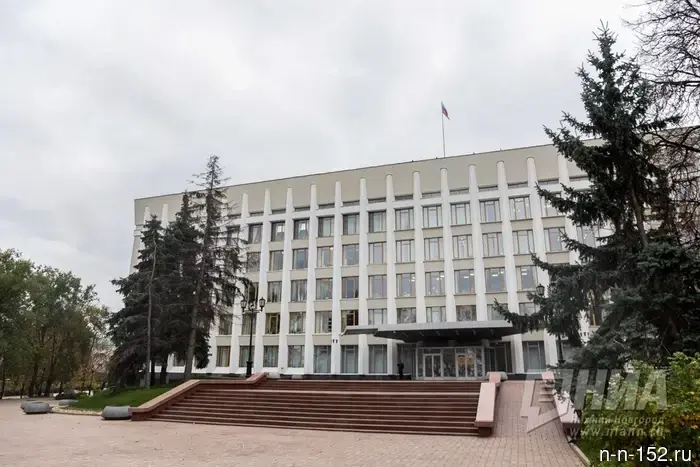 A former military officer has headed the new ministry of the Nizhny Novgorod region.
News of Nizhny Novgorod
A former military officer has headed the new ministry of the Nizhny Novgorod region.
News of Nizhny Novgorod
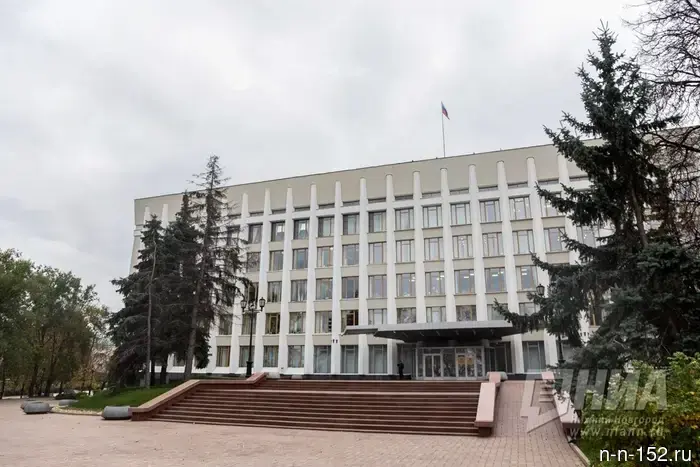 Denis Ismagilov has been appointed as the acting deputy head of the Nizhny Novgorod government.
News of Nizhny Novgorod
Denis Ismagilov has been appointed as the acting deputy head of the Nizhny Novgorod government.
News of Nizhny Novgorod
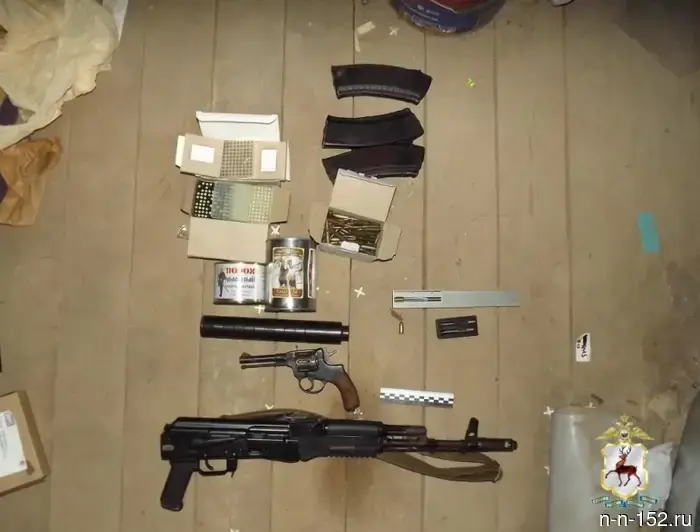 In Dzerzhinsk, a fact of illegal storage of weapons and ammunition has been revealed.
The fact of illegal activity was revealed by employees of the 6th department of the Criminal Investigation Department of the Ministry of Internal Affairs of Russia for the Nizhny Novgorod region and the criminal investigation department of the Ministry of Internal Affairs of Russia for the city of Dzerzhinsk in cooperation with colleagues from the Federal Security Service of Russia for the region. 08.06.2026. Main Directorate of the Ministry of Internal Affairs of the Nizhny Novgorod region. Nizhny Novgorod region. Nizhny Novgorod.
In Dzerzhinsk, a fact of illegal storage of weapons and ammunition has been revealed.
The fact of illegal activity was revealed by employees of the 6th department of the Criminal Investigation Department of the Ministry of Internal Affairs of Russia for the Nizhny Novgorod region and the criminal investigation department of the Ministry of Internal Affairs of Russia for the city of Dzerzhinsk in cooperation with colleagues from the Federal Security Service of Russia for the region. 08.06.2026. Main Directorate of the Ministry of Internal Affairs of the Nizhny Novgorod region. Nizhny Novgorod region. Nizhny Novgorod.
 The program of events for Russia Day 2026 in Nizhny Novgorod has been published.
News of Nizhny Novgorod
The program of events for Russia Day 2026 in Nizhny Novgorod has been published.
News of Nizhny Novgorod
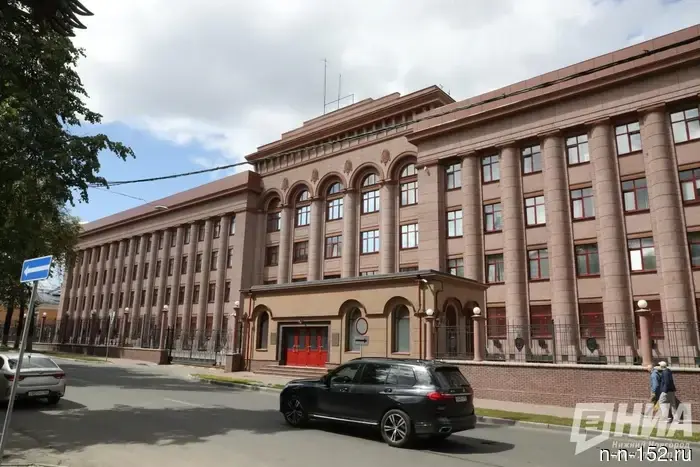 A Nizhny Novgorod resident was charged with illegal possession of weapons and ammunition.
News of Nizhny Novgorod
A Nizhny Novgorod resident was charged with illegal possession of weapons and ammunition.
News of Nizhny Novgorod
 Oncologist Anastasia Smirnova: "Cancer is not a sentence, but a diagnosis."
News of Nizhny Novgorod
Oncologist Anastasia Smirnova: "Cancer is not a sentence, but a diagnosis."
News of Nizhny Novgorod
Oncologist Anastasia Smirnova: "Cancer is not a sentence, but a diagnosis."
News of Nizhny Novgorod